Keir Starmer didn't just walk into Downing Street to manage the decline. He came to fix things, or so the manifesto claimed. But the first few months of any administration are usually a brutal wake-up call, and for this Prime Minister, the alarm has been ringing loud and clear. Between the internal grumbling about "the grid" and the public’s skepticism over early policy shifts, Starmer needed a moment to breathe. He found it, briefly, in a flurry of international summits and a strategic pivot back to the domestic issues that actually win or lose elections.
The reality of power is often less about the grand speeches and more about who is actually in the room when the coffee goes cold. Starmer has spent the last few weeks trying to prove he can still control the narrative. It’s a tough ask when you’re dealing with a restless backbench and a civil service that’s still figuring out your rhythm. He’s putting himself back in the center of the action, but the stakes are higher than they were during the campaign.
The Strategy Behind the Shift
Political capital isn't something you hoard. You spend it. Starmer’s recent moves suggest he’s finally ready to start tapping into the reserves he built up with that massive majority. We’ve seen a shift from the cautious, almost defensive crouch of the early weeks to a more assertive stance on the global stage. It’s a classic move. When things are messy at home, look like a statesman abroad.
He’s been bouncing between European capitals, trying to mend the fences that were flattened during the Brexit years. It’s not just about optics. There’s a genuine attempt to rewrite the rules of engagement with our closest neighbors. He’s betting that a more stable relationship with the EU will translate into the economic growth he desperately needs to fund his domestic agenda. If he can get the trade numbers moving in the right direction, the noise from the far-left and the populist right might start to fade.
Fixing the Internal Machinery
You can’t run a country if your own office is leaking like a sieve. The chatter about internal friction in Number 10 has been constant. There’s been a lot of talk about who has the PM's ear and whether the operation is too centralized. Starmer seems to have realized that a bunker mentality won't work in the long run. He’s started to decentralize some of the decision-making, giving his cabinet ministers more room to breathe and, crucially, more room to take the heat.
It’s a risky play. If a minister messes up, it still lands on the PM’s desk. But it’s better than the alternative, which is a Downing Street so clogged with micro-management that nothing actually happens. By empowering his team, Starmer is trying to build a broader front. He wants the public to see a government, not just a one-man show. This isn't just about efficiency. It's about survival.
The Problem with the Early Narrative
The "black hole" in the public finances has been the dominant theme of the first hundred days. It was a necessary move to frame the upcoming budget, but it’s also been a bit of a buzzkill. People voted for change, not a lecture on fiscal responsibility. Starmer knows this. He needs to pivot from "everything is broken" to "here is how we build it back."
The rhetoric is changing. We’re hearing more about "missions" and "deliverables." It’s less about the mess left behind and more about the scaffolding for the future. The challenge is making those missions feel real to someone struggling with their mortgage or waiting for an NHS appointment. Big-picture stuff doesn't pay the bills.
Growth Is the Only Way Out
Everything comes back to the economy. It’s the gravity that pulls every other policy toward the center. Starmer’s focus on planning reform and infrastructure is his attempt to jump-start the engine. He’s basically saying that if we can’t tax our way out of this, we have to build our way out.
The changes to the National Planning Policy Framework are a big deal. They’re designed to strip away the red tape that has stalled housing projects for decades. It’s going to be a massive fight with local councils and Nimbys, but it’s a fight Starmer seems willing to have. He knows that without new homes and better transport links, the "growth" he keeps talking about is just a buzzword.
Managing the Backbenchers
A huge majority is a gift and a curse. You have the numbers to pass whatever you want, but you also have hundreds of ambitious MPs who need to be kept busy. The early rebellions over the two-child benefit cap and winter fuel payments were a shot across the bows. They showed that the honeymoon ended before the bags were even unpacked.
Starmer is handling this with a mix of discipline and dialogue. He’s shown he’s not afraid to suspend the whip, but he’s also making more of an effort to engage with the various factions within the party. He’s trying to find a middle ground that keeps the pragmatists happy without totally alienating the activists. It’s a delicate balancing act that requires constant attention.
A New Focus on Security and Border Control
One of the areas where the PM has tried to sound most "in the game" is on border security. The rhetoric has shifted significantly. We’re hearing more about "smashing the gangs" and less about the nuances of international asylum law. It’s a direct play for the voters who feel let down by the previous government’s failure to control the channel crossings.
By framing this as a security issue rather than just a humanitarian one, Starmer is trying to park his tanks on the right’s lawn. He’s investing in a new Border Security Command and looking for deeper cooperation with Europol. It’s an attempt to show that Labour can be "tough" without being "cruel." Whether it actually works to reduce the numbers remains to be seen, but the political intent is clear.
The International Stage as a Reset Button
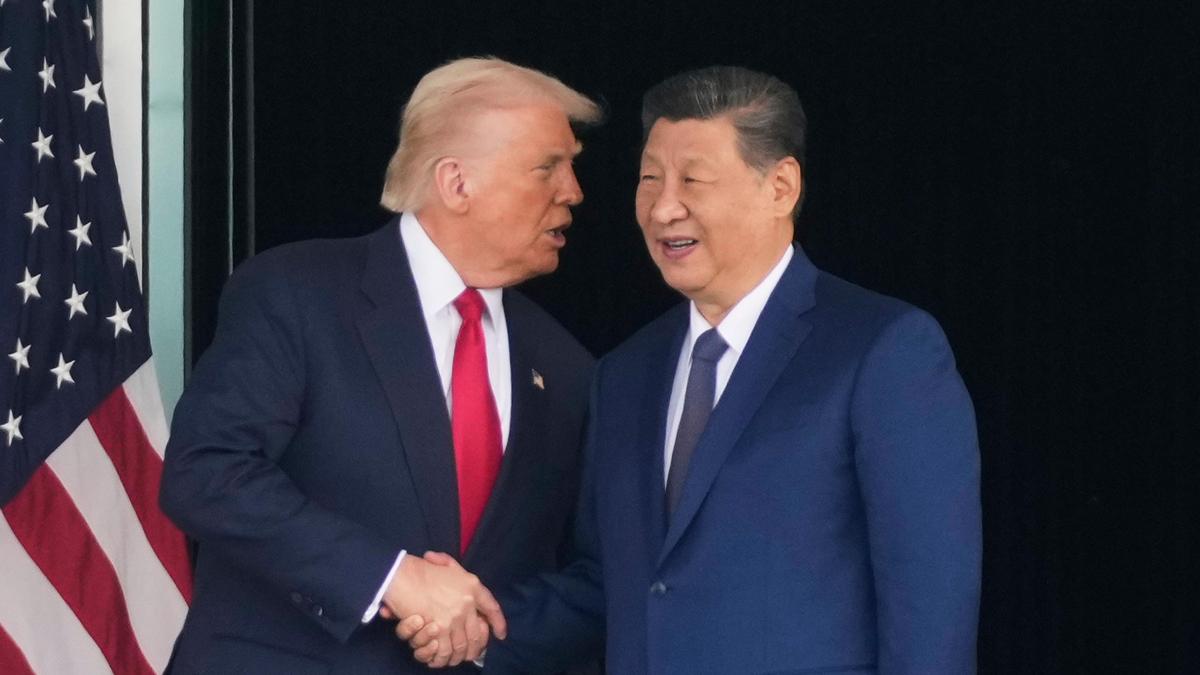
When the domestic headlines are grim, the world stage offers a convenient escape. Starmer’s recent trips to Washington and various European summits weren't just about policy. They were about stature. He wants to be seen as the "adult in the room" after years of perceived chaos in British politics.
The relationship with the US is particularly vital. With an election looming across the Atlantic, Starmer has to play a very careful game. He’s building ties with the current administration while keeping a very close eye on the alternative. The goal is to ensure that the UK remains a key partner, regardless of who is in the White House. It’s about maintaining relevance in a world that is increasingly looking elsewhere.
What Needs to Happen Now
The Prime Minister has put himself back in the game, but he’s playing on a pitch that’s still pretty muddy. The "reset" only counts if it leads to tangible results. The upcoming budget will be the real test. It’s where the rhetoric meets the cold, hard reality of the spreadsheets.
To keep this momentum, the government needs to do a few specific things. First, they have to land a clear win on a domestic issue—something people can actually feel in their daily lives. Maybe that’s a significant drop in NHS waiting lists or a noticeable uptick in new housing starts. Second, they need to stop the internal leaks. A government that looks like it’s fighting itself can’t convince the public it’s fighting for them.
Finally, Starmer needs to find his "why." We know what he wants to fix, but we’re still a bit hazy on what the final version of "Labour's Britain" actually looks like. He needs to paint a more vivid picture of the future. People will endure a difficult present if they believe in a better tomorrow.
The PM is back at the table. He’s got the chips. Now he just has to play the hand. Stop waiting for the perfect moment to announce progress. Start showing the incremental gains every single week. Transparency about the hurdles is good, but a constant focus on the solutions is what will keep the public on side. Get the planning reforms moving, settle the public sector pay disputes, and give the country a reason to look forward to the next six months instead of dreading them.