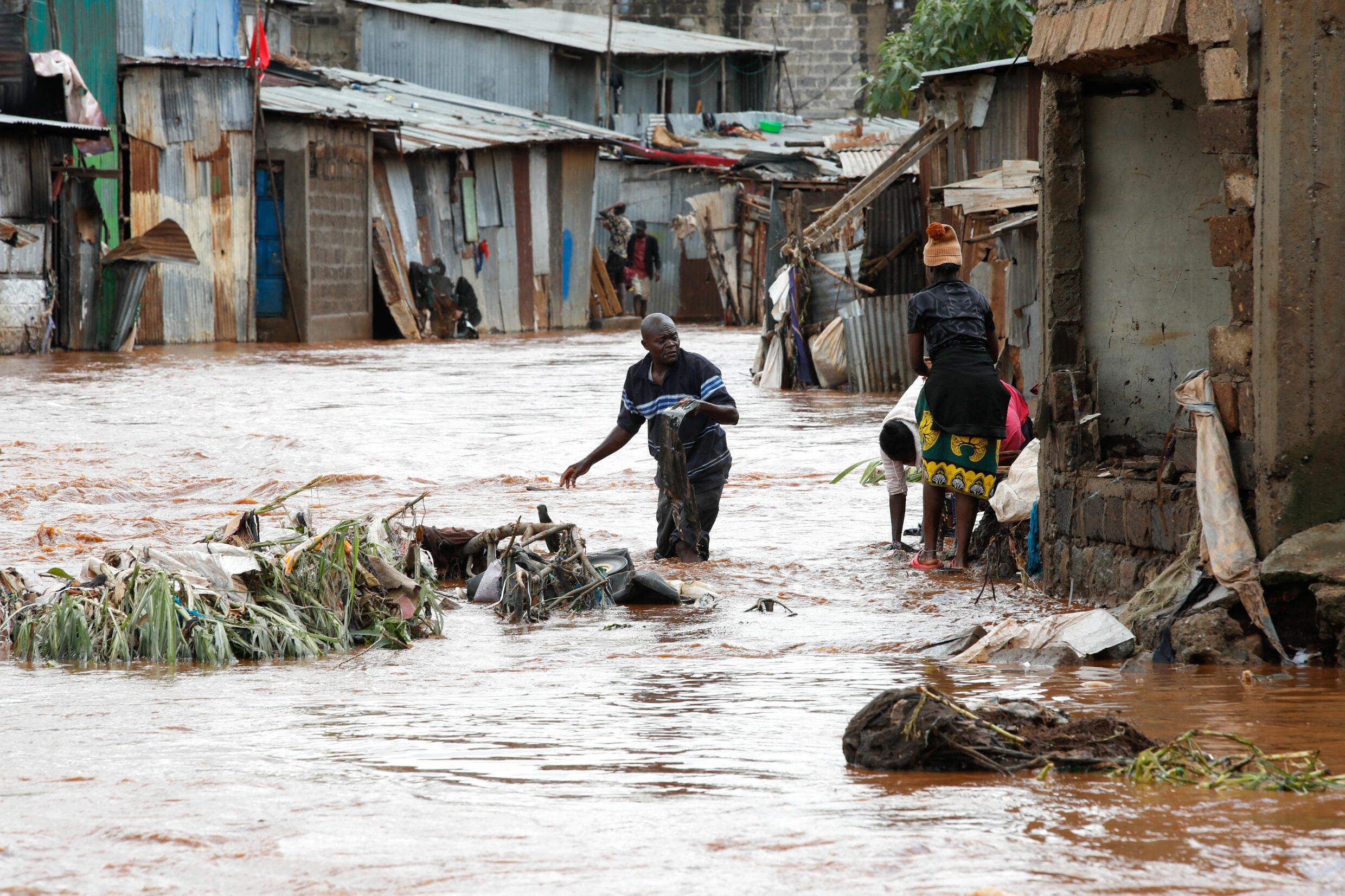
The headlines are bleeding again. One hundred and eight dead. Thousands displaced. Infrastructure in ruins. The media cycle follows the same tired script: record-breaking rainfall, the "wrath of nature," and a desperate plea for international aid. It is a comfortable narrative because it implies that these deaths are an act of God. It suggests that once the rain stops and the checks clear, the problem is solved.
That narrative is a lie.
Nature didn't kill 108 Kenyans. A lethal combination of systemic urban negligence, a refusal to modernize drainage, and a parasitic real estate market did the heavy lifting. We are watching the violent results of decades of "planning by omission." When the sky opens up over Nairobi or the Tana River, the water isn't the enemy—it is the auditor. It is simply showing us exactly where the corruption and the shortcuts were taken.
The Myth of the Unprecedented Event
Every time a river bursts its banks, officials reach for the "unprecedented" label. They claim the volume of water exceeded all historical models. This is a mathematical shield for incompetence.
Hydrology isn't a guessing game. We have the data. We know the topographic layout of the Rift Valley and the drainage basins of the central highlands. The issue isn't that the rain is "too much." The issue is that the soil—the natural sponge of the earth—has been paved over with illegal, high-density concrete developments that have no business being there.
When you replace 500 hectares of absorbent shrubland with non-porous asphalt and "luxury" apartments, you aren't just building a neighborhood. You are building a flood catapult. The water has nowhere to go but up and into the living rooms of the poor.
The Drainage Debt
In my time reviewing infrastructure projects across East Africa, I have seen the same pattern: the "Drainage Debt."
Governments love ribbon-cutting ceremonies for new highways. They hate maintenance. They hate cleaning out silted culverts. They hate the unsexy work of laying subterranean pipes that nobody will ever see.
Kenya’s drainage systems in major urban centers are relics of a colonial era designed for a fraction of the current population. They are clogged with plastic waste—a separate failure of the circular economy—and choked by illegal extensions. When the "unprecedented" rain hits, these systems don't just fail; they backfire.
We aren't seeing a natural disaster. We are seeing a massive, multi-decade maintenance default coming due. The interest on that debt is paid in human lives.
Why Aid is a Band-Aid on a Bullet Wound
The immediate reaction to the 108 deaths is a call for more "resilience funding." This is the "lazy consensus" of the development world.
The logic goes: Kenya is poor, the weather is bad, therefore we need to give them money to rebuild. This cycle ensures that nothing ever actually changes. Rebuilding the same fragile shacks in the same floodplains with the same lack of oversight is not "resilience." It’s insanity.
If we want to stop the body count from hitting 200 or 500 in the next cycle, the solution isn't a food drop or a temporary tent city. It is a brutal, uncompromising enforcement of zoning laws.
The Hard Truths of Zoning
- Riparian Land is Non-Negotiable: If a building is within the protected distance of a riverbed, it must be demolished. No exceptions. No "regularization" fees.
- The End of Paving-First Development: New developments must be forced to include permeable surfaces. If you build a mall, you build the drainage for the entire block.
- Accountability for Engineers: The people who signed off on the structural integrity of buildings that collapsed in the mud should be in a courtroom, not a boardroom.
The cost of doing this is high. It means displaced people and angry developers. It means political suicide for those who rely on the "land-grab" economy. But the alternative is what we see in the news today: a predictable, avoidable massacre that we have the audacity to call a surprise.
The Economic Delusion of the "Flood Season"
The Kenyan economy loses billions of shillings every time the transit corridors are cut off by water. This isn't just a humanitarian crisis; it’s an economic blockade.
Logistics companies lose millions as trucks sit idle on the Mombasa-Nairobi highway. Productivity vanishes when employees spend six hours wading through waist-deep water to get to an office.
The "contrarian" take here is that fixing the floods is actually the highest-ROI investment the Kenyan government could make. It’s better than a new railway. It’s better than a tech hub. If you can’t keep your people dry and your roads open, your "emerging market" status is a fantasy.
Dismantling the Victim Narrative
We need to stop treating the Kenyan government as a victim of climate change. Yes, global weather patterns are shifting. Yes, the Indian Ocean Dipole is a reality. But these are known variables.
Using climate change as an excuse for 108 deaths is like a driver of a car with no brakes blaming the mountain for being too steep. The mountain was always there. You knew you had to drive down it. You just chose not to fix the brakes because you thought you could save a few shillings.
The tragedy in Kenya isn't that it rained. The tragedy is that we knew it would rain, we knew where the water would go, and we chose to let people live in its path anyway.
The Real PAA (People Also Ask) Reality Check
Why does Kenya flood every year?
Because the natural drainage paths have been commoditized. Land that should act as a flood buffer has been sold to people who were told it was "prime real estate." It’s a Ponzi scheme where the payout is a drowned basement.
Is there a way to stop the flooding?
Yes. Restore the wetlands and stop building in floodplains. It sounds simple because it is. The difficulty isn't the engineering; it’s the political will to tell wealthy landowners that their "riverfront" property is a death trap and must be vacated.
Who is responsible for the death toll?
The police say 108. I say that number belongs on the desks of the urban planners who took bribes to look the other way, and the politicians who prioritize "prestige projects" over the boring, life-saving reality of sewage and storm drains.
Stop mourning the rain. Start indicting the architecture of the disaster.
Tear down the buildings on the riverbanks or keep buying the body bags. There is no third option.