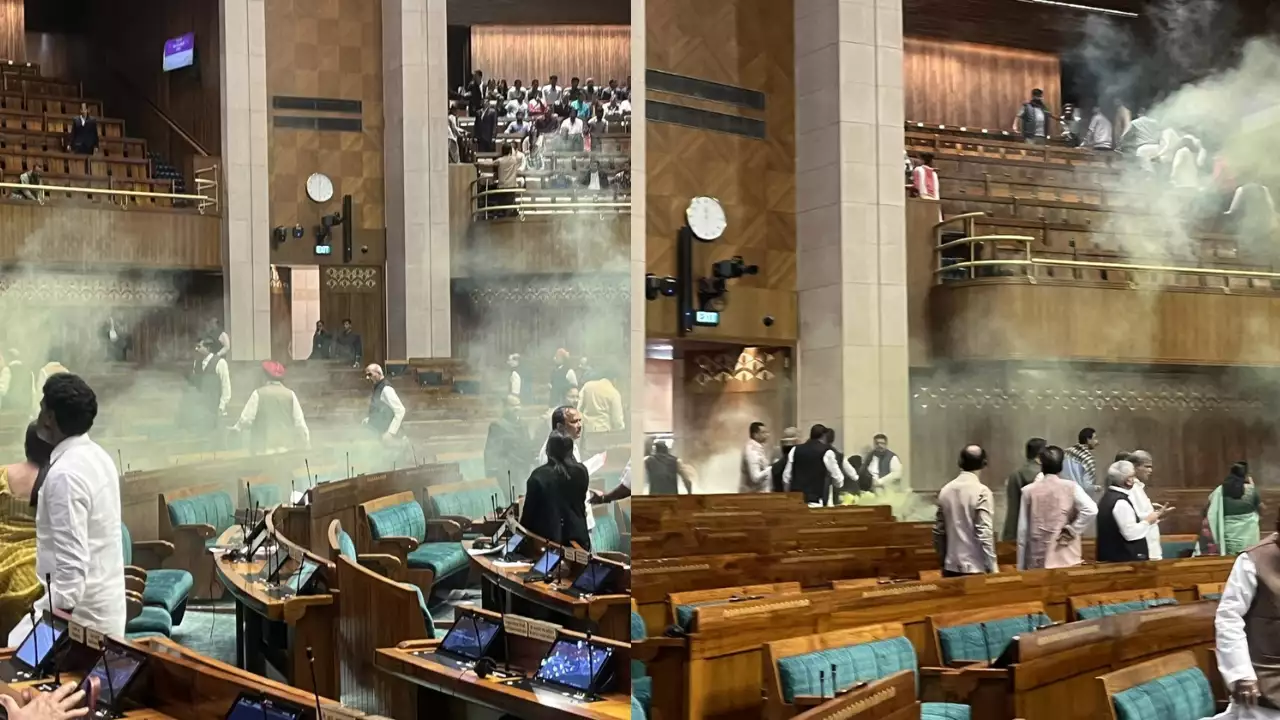
The smoke rising over the Beqaa Valley on Monday afternoon was more than just the result of a standard IDF sortie; it was the physical manifestation of a diplomatic fiction. While Washington trumpets the extension of a three-week ceasefire, the reality on the ground in southern Lebanon and eastern Iran suggests that the "cessation of hostilities" is little more than a tactical pause for some and a green light for others. The regional war that ignited on February 28, 2026, has not ended. It has merely mutated into a more surgical, and perhaps more dangerous, phase.
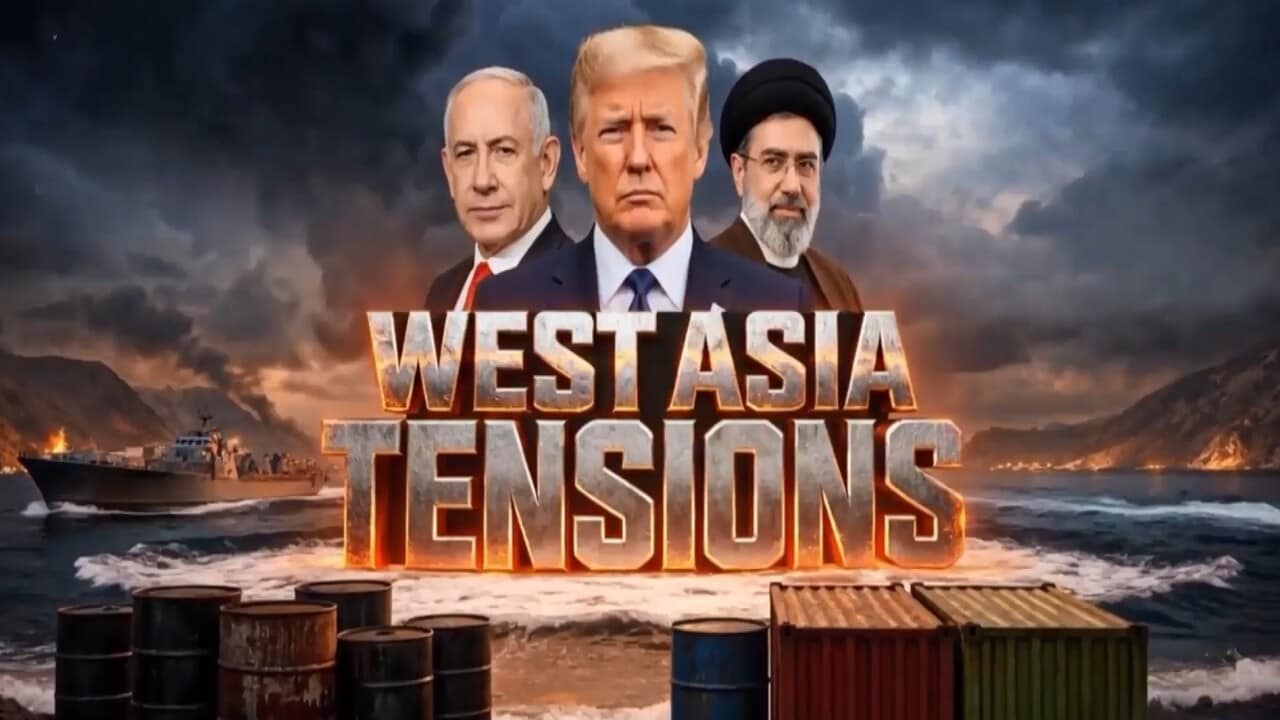
The core of the current crisis lies in a deliberate ambiguity within the Washington-brokered accords. While the Trump administration and Iranian negotiators in Islamabad have agreed to a temporary truce to discuss the reopening of the Strait of Hormuz, the "Lebanon front" remains a volatile gray zone. Israel maintains that its operations in Lebanon—codenamed Operation Eternal Darkness—are distinct from the broader Iran war and essential for its national security. Hezbollah, meanwhile, views the Israeli presence in the south as an ongoing occupation that justifies continuous "resistance" regardless of what papers are signed in D.C. or Pakistan.
This is not a ceasefire in any traditional sense. It is a managed escalation where the rules of engagement are being rewritten in real-time with high-explosives.
The Decapitation Aftermath and the Power Vacuum
To understand why the violence persists despite the ceasefire extension, one must look at the state of the Iranian leadership. The "functional decapitation" of the regime following the March strikes has left a fractured command structure in Tehran. With Supreme Leader Mojtaba Khamenei reportedly incapacitated and the Islamic Revolutionary Guard Corps (IRGC) operating under a decentralized mandate, the ability of the central government to enforce a truce among its proxies is virtually non-existent.
In southern Lebanon, this power vacuum has empowered local Hezbollah commanders to take a more aggressive stance. They aren't just firing rockets to show solidarity with Tehran; they are fighting for their own institutional survival. The IDF’s recent strikes on Nabatieh and the Beqaa Valley are not random. They are targeted efforts to dismantle the Radwan Force’s infrastructure before any permanent deal can be forced upon Israel by its allies.
The strategy is clear. Israel is utilizing the "Lebanon Loophole" to degrade Hezbollah’s capabilities while the world’s attention is fixed on the price of Brent crude and the shipping lanes of the Persian Gulf. By the time a long-term settlement for Iran is reached, the IDF intends to have fundamentally altered the security architecture of Lebanon’s southern border.
The Kinetic Reality of a Paper Truce
On Tuesday morning, the residents of Bint Jbeil and Zawtar al-Sharqiya woke to the sound of heavy machine-gun fire and the whistle of incoming missiles. These are not the actions of a military winding down. The IDF has captured significant caches of Hezbollah weaponry in the last forty-eight hours, including the new fiber-optic FPV drones that have proven immune to traditional electronic jamming.
The use of these drones represents a significant shift in the tactical landscape. Because they do not rely on radio frequencies for control, Israel’s sophisticated jamming suites are rendered useless. This forced the IDF to return to "kinetic solutions"—meaning they have to physically destroy the launch sites and the operators, leading to the increased air activity over Beirut and the Beqaa.
- Surgical Strikes: Israel has conducted over 100 strikes in ten-minute windows, a tempo designed to overwhelm air defenses.
- The Beqaa Corridor: For the first time in three weeks, strikes hit the eastern Beqaa, a critical logistics hub for Iranian supplies entering through Syria.
- Civilian Displacement: Despite the ceasefire, over one-sixth of Lebanon's population remains displaced, with the government in Beirut essentially powerless to guarantee their safety.
The Lebanese government is caught in a pincer. On one side, Hezbollah accuses the administration of being "impotent" and "emboldening" Israeli aggression by participating in the Washington talks. On the other, Israel demands that the Lebanese state take effective sovereignty and disarm the militias—a task the Lebanese Armed Forces (LAF) has neither the will nor the capacity to perform.
The Strait of Hormuz Gambit
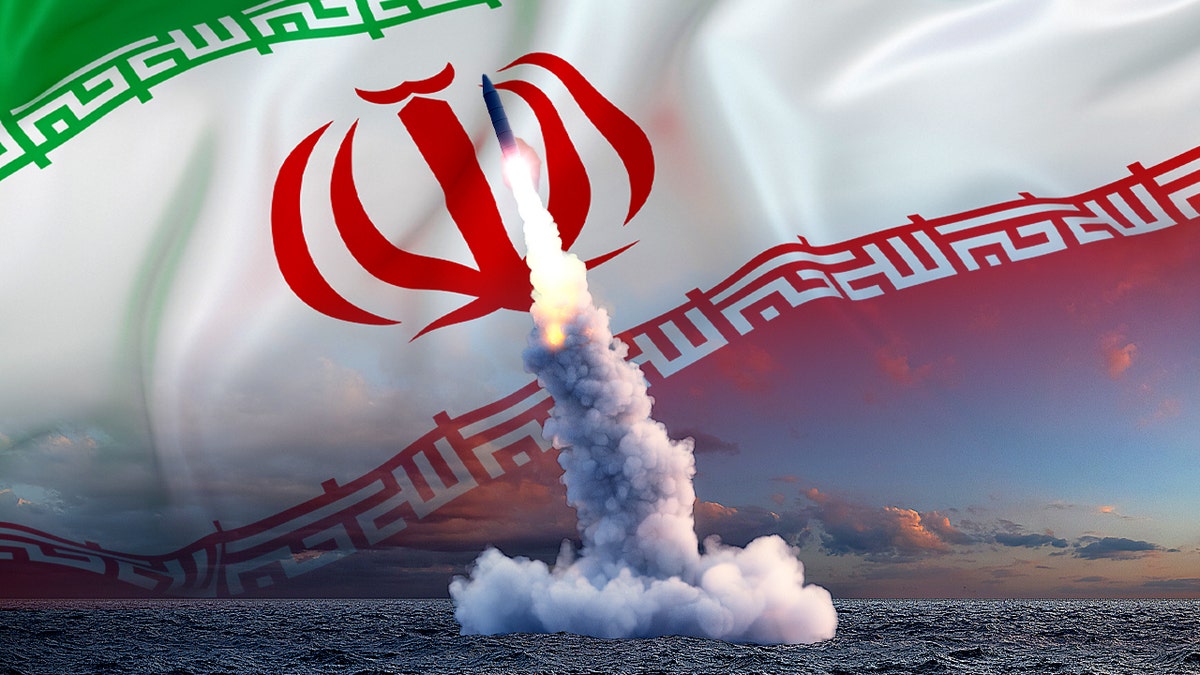
While the guns bark in Lebanon, the real leverage remains 1,500 miles to the east. The Strait of Hormuz is the world's jugular, and currently, both the U.S. and Iran have their hands on the knife. The ceasefire agreement hinges on the reopening of this waterway, yet the "mutual end to the blockades" remains a distant hope.
Iran’s ten-point proposal for a peace agreement includes the release of frozen assets and a total lifting of the naval blockade. The U.S. response has been to maintain the blockade while "extending the window" for talks. This creates a circular logic of failure. Iran won't fully open the Strait while its own ships are being boarded in the Indian Ocean, and the U.S. won't lift the blockade until the Strait is guaranteed safe.
In this environment, the "ceasefire" serves as a pressure cooker. The longer the diplomatic stalemate lasts, the more likely a localized "violation" in Lebanon or a drone strike near Isfahan will trigger a return to full-scale state-to-state warfare.
The Illusion of Sovereignty
The tragedy of the current moment is the fiction of Lebanese sovereignty. The direct talks between the Lebanese government and Israel were touted as "historic," yet they are largely irrelevant to the fighting on the ground. Hezbollah was not a signatory. The IRGC was not at the table.
We are witnessing a new form of conflict where official state diplomacy is a performative layer atop a raw, proxy-driven war of attrition. The ceasefire hasn't brought peace; it has brought a "shaky truce" that allows for the replenishment of magazines and the recalibration of targets.
For the civilians in northern Israel and southern Lebanon, the distinction between a "ceasefire" and "active war" is academic. When the drones circle Beirut and the artillery hits Bint Jbeil, the terminology doesn't matter. The conflict is evolving into a permanent state of low-to-medium intensity violence that the global economy has begun to price in, even as the human cost continues to climb.
The ceasefire isn't failing because of a lack of will. It is failing because it was designed to solve a 20th-century problem—border disputes between states—in a 21st-century landscape defined by non-state actors and decapitated regimes. Until the "Lebanon Loophole" is closed, the air attacks and gunfire will continue to punctuate the silence of a peace that only exists on paper.
The next forty-eight hours will determine if the Islamabad talks can survive the reality of the Beqaa Valley. If Israel continues its expansion of targets into civilian-adjacent infrastructure and Hezbollah responds with its immune drone swarms, the three-week extension will be remembered as nothing more than a logistical reload.