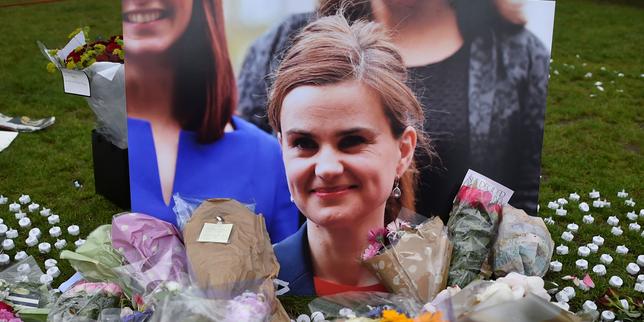
Ten years ago, British politics changed forever. The brutal murder of Labour MP Jo Cox on June 16, 2016, shocked the nation to its core. She was shot and stabbed outside a library in Birstall, part of her West Yorkshire constituency, by a right-wing extremist. Everyone promised things would change. Politicians promised milder rhetoric. Media outlets promised less vitriol. Social media firms promised cleaner platforms.
None of it happened.
Step into the shoes of a British Member of Parliament today, in 2026. The atmosphere isn't better. It's significantly worse. Abuse is a daily routine. Death threats arrive via email before breakfast. Security guards stand watch at local surgeries. The toxic political environment that contributed to the death of Jo Cox has grown deeper, nastier, and more pervasive. The UK public often believes political violence is an anomaly, a rare flashpoint in an otherwise peaceful democratic tradition. That view is wrong. It ignores the relentless, grinding hostility that defines modern British public life.
A decade of rising political anger
Look at the numbers. The Jo Cox Foundation regularly tracks abuse levels directed at elected officials. Their data consistently shows that a vast majority of MPs fear for their safety. This isn't just about hurt feelings on social media. It affects how democracy functions.
When politicians change how they vote because they worry about their family's safety, democracy fails. We saw this clearly during recent parliamentary debates on international conflicts, where MPs openly admitted changing their stances due to intimidation. The direct line from the 2016 tragedy to current parliamentary anxiety is clear.
The murder of Sir David Amess in 2021 proved that the death of Jo Cox wasn't an isolated incident. Two MPs killed within five years. That is a terrifying statistic for a Western democracy. Yet, the systemic changes required to protect these individuals and the democratic process itself remain painfully absent.
The realities facing members of parliament today
Talk to any politician off the record. They will tell you the same thing. The job has changed. It used to be about serving the community and debating policy. Now, it requires a constant state of threat awareness.
Female MPs and those from ethnic minority backgrounds face the worst of it. The abuse they receive is frequently misogynistic, racist, and deeply personal. It forces talented people out of politics altogether. We are losing good leaders because the price of entry has become too high.
Social media companies deserve a massive share of the blame. Algorithms are designed to maximize engagement, and nothing drives engagement quite like anger. A divisive, hateful post spreads ten times faster than a nuanced policy discussion. Despite endless select committee hearings and promises of reform, tech giants still profit from the polarization that threatens the lives of public servants.
What needs to change right now
Fixing this crisis requires moving past empty platitudes. We don't need more statements of condemnation from the Prime Minister's podium. We need immediate, structural action.
First, the enforcement of online safety laws must be relentless. Anonymity online cannot remain a shield for illegal harassment and death threats. If you threaten to kill a politician, the police should be at your door within hours, not months.
Second, political parties must clean up their own acts. The weaponization of language during election campaigns sets the tone for the public. When senior politicians use inflammatory words to describe their opponents, the public feels validated in using violence.
Local police forces also need dedicated resources to protect constituency offices. An MP surgery shouldn't look like a fortress, but it must be safe. Basic panic buttons and CCTV aren't enough when attackers are determined.
The Jo Cox Foundation keeps fighting to keep her message alive, the idea that we have far more in common than that which divides us. It remains a beautiful sentiment. But right now, British politics is failing to live up to it. If the next decade looks like the last one, the consequences for British democracy will be catastrophic. Take action by holding local representatives accountable for their language, reporting online abuse when you see it, and demanding that tech platforms enforce their own terms of service.

/https://tf-cmsv2-smithsonianmag-media.s3.amazonaws.com/filer/c6/97/c697b065-e0bd-4970-81ea-819779296b91/u765404inp.jpg)
