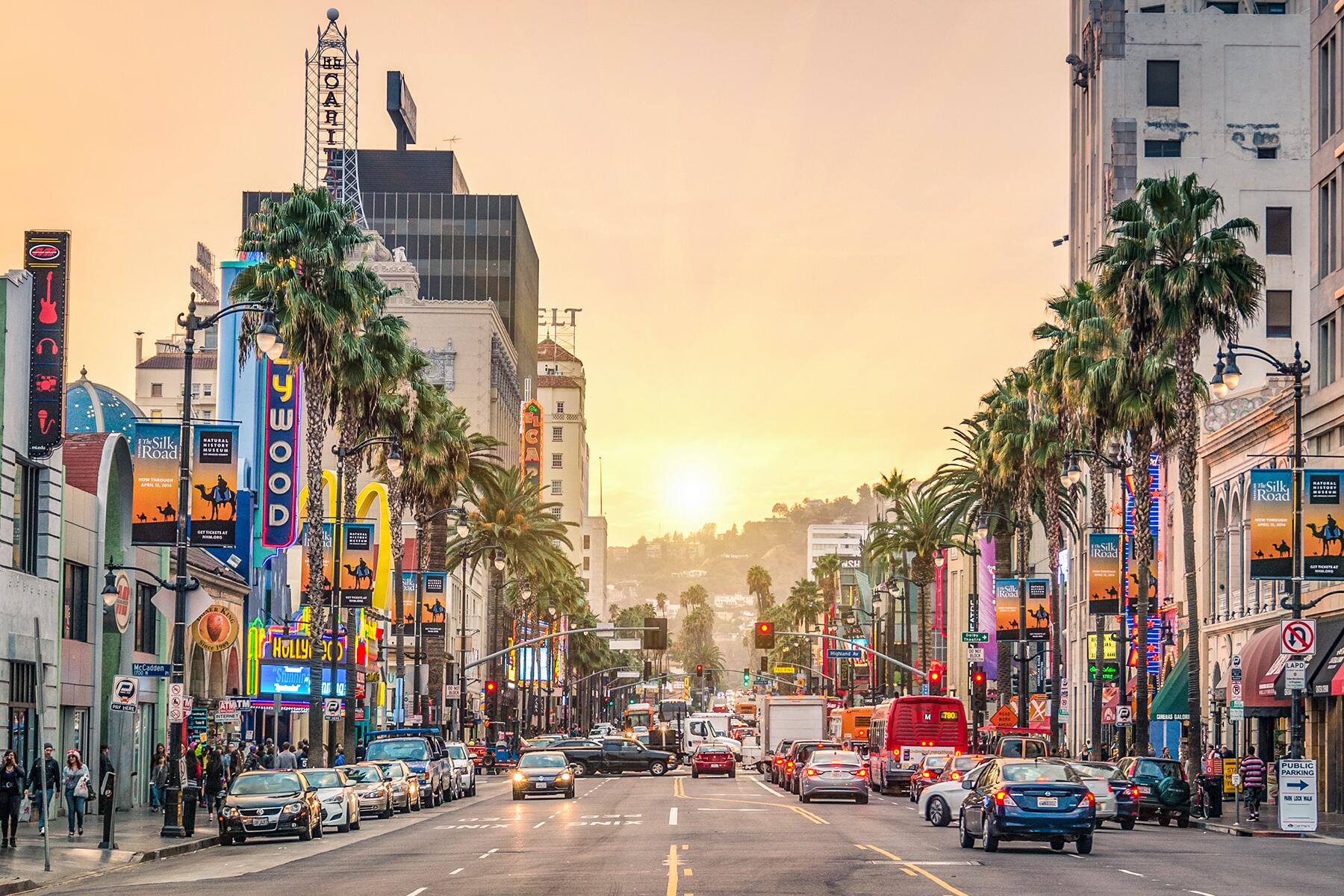
Los Angeles is about to hit the world stage in a way we haven't seen in decades. Between the 2026 World Cup and the 2028 Olympic Games, millions of people are heading for the coast. They need places to sleep. They need kitchens to cook in. They need neighborhoods, not just sterile lobbies. Yet, local politicians are treating short-term rentals like a virus rather than a vital organ of the city's tourism body. We keep hearing that Airbnb and its cousins are the sole reason nobody can find an affordable apartment. That’s a convenient lie. It’s a distraction from decades of failed housing policy and a refusal to build enough high-density housing.
Short-term rentals aren't the enemy. They’re the safety valve for a city that simply cannot build enough hotels in time to meet the incoming surge. Read more on a related issue: this related article.
The math of the Olympic surge
Let’s look at the numbers. They don’t lie. Los Angeles has roughly 115,000 hotel rooms. That sounds like a lot until you realize the 2028 Olympics will likely draw over 500,000 visitors at any given time. Even if you cram four people into every double queen room in the city, you’re still looking at a massive deficit. We can’t build 50 new Marriotts in three years. It isn’t happening.
When the world arrives, they won't all be wealthy dignitaries who can drop $900 a night at the Proper Hotel in Santa Monica. Many will be families. They’ll be fans who saved up for years to see a single match at SoFi Stadium. These people need kitchens. They need more than one room. If you take away short-term rentals, you aren't "saving" housing for locals. You're just pricing out the very people who make these events vibrant. You’re making L.A. an exclusive playground for the 1%. More journalism by AFAR explores comparable perspectives on the subject.
I’ve seen this play out in other cities. During major events, hotels gouge. It's what they do. Supply and demand. Short-term rentals provide a ceiling for that greed. They offer a competitive alternative that keeps the market from spiraling into total absurdity. Without them, we’re looking at a hospitality monopoly that hurts the consumer and the city's reputation.
The scapegoat of the housing crisis
It’s easy to point at a lockbox on a door and blame it for your rent hike. It’s much harder to admit that the city’s zoning laws are relics of the 1950s. Most of L.A. is still zoned for single-family homes. That is the real reason you can’t find a studio for under $2,000.
A study from the Harvard Business Review found that while short-term rentals do have an impact on local rents, it’s often much smaller than activists claim. In many cases, it’s a 1% or 2% shift. Compare that to the massive supply shortage caused by NIMBYism and red tape. We’re chasing a ghost while the real villain sits in City Hall.
The city’s Home-Sharing Ordinance is already strict. It requires hosts to live in the home they’re renting out for more than six months of the year. This effectively bans the "investor-owned" ghost hotels that people hate. What we have left are "mom and pop" hosts. These are teachers, retirees, and artists. They use the extra $1,500 a month to pay their own skyrocketing property taxes or mortgages. If you kill their ability to rent out a spare room or a back house, you aren't helping a renter. You're actually pushing a middle-class homeowner closer to foreclosure.
Economic benefits beyond the hotel lobby
When a tourist stays in a hotel, they spend their money in the hotel restaurant or the surrounding "tourist trap" zone. They don't wander into the residential pockets. Short-term rentals change that. They push dollars into the veins of the city.
Think about the coffee shop in Highland Park or the bookstore in Leimert Park. These businesses thrive when visitors stay nearby. A family staying in a bungalow spends money at the local grocery store. They hire a local bike shop. They eat at the taco truck on the corner. This is direct-to-neighborhood economic stimulus. According to data from Airbnb, their guests represent a significant portion of the total tourism spending in L.A., and much of that goes to businesses that aren't owned by global conglomerates.
We also have to talk about the tax revenue. Transient Occupancy Taxes (TOT) from home-sharing platforms have poured hundreds of millions into the city's General Fund. This money pays for parks, street repairs, and homeless services. Cutting off this tap right before the world arrives is fiscal suicide.
Why the hotel lobby is pushing back
It isn't a mystery why we see so much anti-rental rhetoric. The hotel lobby is incredibly powerful in L.A. politics. They view short-term rentals as "unfair competition" because they don't have to follow the same labor or safety codes as a 500-room tower.
But a spare bedroom isn't a hotel. A guesthouse in someone's backyard isn't a Hilton. Trying to regulate them with the same heavy hand is like trying to regulate a lemonade stand like it’s a Coca-Cola bottling plant. It’s nonsense.
The focus should be on enforcement of existing rules, not the creation of new bans. The city has a registry. It has the power to fine bad actors. Instead of a blanket ban that hurts the economy, why not actually use the tools already on the books to stop the party houses and the illegal conversions?
Lessons from Paris and London
We aren't the first city to deal with this. Paris has some of the highest densities of short-term rentals in the world. They’ve faced the same housing pressures. Their approach hasn't been a total ban but a clever registration system and a cap on the number of nights. It isn't perfect, but it allows the city to scale its capacity for events like the 2024 Olympics.
London does something similar. They allow 90 days of short-term renting per year without needing special planning permission. This protects the long-term housing stock while allowing for "event-based" hosting.
L.A. needs to stop reacting out of fear and start planning with logic. We have an opportunity to show the world that we’re a modern, flexible city. We shouldn't be a city that tells visitors "we don't have room for you" because we’re too busy protecting hotel profit margins.
Preparing your own space for the surge
If you're a homeowner in Los Angeles, you should be looking at the 2026-2028 window as a once-in-a-generation opportunity. But don't just throw a mattress on the floor and hope for the best.
Start by ensuring you're 100% compliant with the Los Angeles Home-Sharing Ordinance. Get your registration number. Pay your taxes. If you don't, you'll be shut down before the first whistle blows at the World Cup.
Invest in your space now. High-speed internet is no longer a luxury; it’s a requirement. If you’re near a Metro line, emphasize that. Traffic during these events will be a nightmare, and visitors will pay a premium to avoid driving.
Don't wait until 2027 to start hosting. Build your reputation now. A profile with 50 five-star reviews will command three times the price of a brand-new listing during the Olympics. You want to be a Superhost long before the crowds arrive.
Focus on the "why" for your guests. Are you near the Rose Bowl? SoFi? The Coliseum? Tailor your listing to those venues. Mention the travel times. Give them the "local" experience that a concierge at a Hyatt simply can't provide.
Stop listening to the politicians who want to use short-term rentals as a scapegoat for their own failures. We need these rentals. The city needs them. The visitors need them. And honestly, the homeowners who are struggling to stay in L.A. need them most of all. It’s time to stop the bans and start the preparation. The world is coming. We should probably make sure they have a place to sit down.


:max_bytes(150000):strip_icc():focal(776x210:778x212)/billy-joel-concerts-022525-1-9a9077033ad845de8786424062c5056f.jpg)