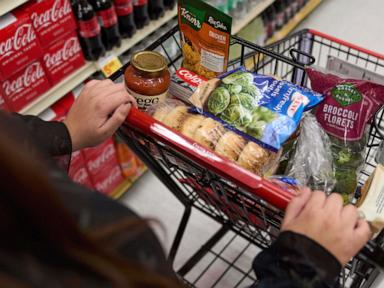
Arkansas will implement state-level restrictions on Supplemental Nutrition Assistance Program (SNAP) purchases on July 1, 2026, prohibiting the use of federal food benefits for candy and soft drinks. This policy shift proceeds despite a June 22, 2026, ruling by U.S. District Judge Amy Berman Jackson, which vacated structurally identical USDA waivers across five states—Colorado, Iowa, Nebraska, Tennessee, and West Virginia. The intersection of state health mandates, federal statutory boundaries, and retail compliance costs creates a friction point that tests the limits of executive federalism and fiscal policy interventions in public health.
Evaluating the structural components of this policy requires assessing the tension between short-term state implementation and imminent federal legal challenges. The systemic design, operational friction, and fiscal realities of the Arkansas framework offer a model for understanding state-directed nutritional intervention.
The Fiscal Intersect: Public Assistance and Healthcare Externality
The policy rationale for Arkansas's intervention rests on a fiscal feedback loop linking public nutrition subsidies to state-funded healthcare expenditures. The core economic argument treats chronic disease as a negative externality funded through state budgets.
+---------------------------+       +----------------------------+
| Federal SNAP Subsidies    |       | State Medicaid Outlays     |
| (Funding Sugar-Sweetened  | ----> | (Treating Chronic Diseases |
|  Beverages & Candy)       |       |  Like Diabetes & Obesity)  |
+---------------------------+       +----------------------------+
              |                                    |
              +-------- Fiscal Misalignment -------+
The State Medicaid Burden
Arkansas currently registers an adult obesity rate of approximately 40% and maintains the nation's second-highest diabetes mortality rate. According to the Arkansas Department of Human Services (DHS), the state's Medicaid program expenditures include at least $300 million annually dedicated explicitly to treating preventable chronic illnesses.
Structural Budgetary Misalignment
The state's executive branch identifies an operational contradiction within the Department of Human Services. On one tier of administration, the agency processes federal funding to subsidize the consumption of hyper-palatable, low-nutrient food items. Concurrently, a separate administrative tier allocates state revenues to mitigate the clinical outcomes associated with those same dietary inputs. The restriction strategy aims to eliminate this misalignment by filtering low-nutrient inputs out of the subsidy stream.
The Legal Framework and Jurisdictional Limits
The execution of the Arkansas ban relies on a federal waiver approved by the USDA in June 2025 under the "Make America Healthy Again" initiative. However, the legal architecture underpinning this waiver faces severe pressure from federal jurisprudence.
The Statutory Definition Problem
In the litigation blocking waivers in Colorado, Iowa, Nebraska, Tennessee, and West Virginia, the district court ruled that the USDA exceeded its administrative authority. The court determined that Congress retains the exclusive statutory power to define what constitutes "food" under the Food and Nutrition Act. By attempting to reclassify soda and candy as non-eligible items via administrative pilots, the USDA bypassed legislative prerogatives.
The Injunction Asymmetry
The immediate survival of the Arkansas policy stems from a shift in how federal district courts issue remedies. Following recent Supreme Court precedents restricting nationwide injunctions, Judge Jackson’s ruling specifically vacated the approvals for the five states involved in that litigation. Because Arkansas was not a named party to that specific suit, its waiver remains technically intact, enabling implementation on July 1.
Georgetown University legal analysis notes that this approach tests the boundaries of administrative law. The state operates under the exact regulatory mechanisms deemed unlawful in parallel jurisdictions, introducing an acute vulnerability to immediate state-level injunctions by advocacy groups.
Operational Friction and the Retail Cost Burden
Shifting the burden of nutritional paternalism from state administrators to the commercial retail infrastructure introduces complex supply-chain and technological compliance demands.
The Technical Compliance Deficit
For the state's 223,000 SNAP recipients and thousands of retail locations, enforcing the ban requires product-level categorization at the point of sale (POS). Unlike broad eligibility categories—such as the exclusion of alcohol or hot prepared foods—nutritional restrictions require high-resolution data integration. The Arkansas ban targets soft drinks, low-calorie sodas, candy, and fruit or vegetable beverages containing less than 50% natural juice.
To manage this, the state engaged a third-party vendor to compile a master database of restricted Universal Product Codes (UPCs) for retailers. The operational challenges include:
- POS System Latency: Independent grocery stores and regional chains must manually integrate these volatile UPC lists into legacy software architectures.
- Arbitrary Categorization: Determining where a high-sugar juice blend ends and a restricted fruit beverage begins creates friction at checkouts.
- The Compliance Gap: The Arkansas Grocers and Retail Merchants Association indicates highly variable levels of readiness across member networks, particularly among smaller independent vendors who lack dedicated IT infrastructure.
Consumer Behavior and Substitution Elasticity
Public health research regarding the efficacy of food assistance restrictions yields highly divided conclusions. While a Stanford University simulation suggests nationwide restrictions on sugary drinks could prevent up to 240,000 cases of Type 2 diabetes among adults, real-world purchasing behavior demonstrates a high degree of substitution elasticity.
When specific low-nutrient foods are restricted, consumers frequently redirect out-of-pocket cash to buy the banned items while utilizing SNAP benefits exclusively for other high-calorie, processed goods that fall outside the precise definition of "candy" or "soda." The policy risks shifting consumption patterns laterally into alternative low-nutrition groups rather than vertically into whole foods.
Strategic Policy Recommendations
Faced with immediate legal vulnerability and retail implementation friction, state administrators must pivot from rigid prohibition to a dual-track strategy combining targeted structural restrictions with market-based incentives.
First, the state should decouple its public health objectives from the vulnerable USDA administrative waiver framework by shifting resources toward incentive-matching programs. Transitioning funding to models like the Double Up Food Bucks initiative—which provides a dollar-for-dollar match on SNAP purchases of locally grown fresh produce—bypasses the statutory definitions of federal food stamps altogether. This insulates the state from the administrative law challenges currently dismantling junk food bans in federal courts.
Second, the state must establish a standardized API for regional retailers to automate UPC compliance. Relying on an app-based product scanner shifts the transactional burden entirely to the consumer and the individual cashier, increasing checkout friction and reducing program dignity. By subsidizing backend POS software updates for independent grocers, the state can smooth operational inefficiencies before inevitable legal adjustments reshape the program's scope.