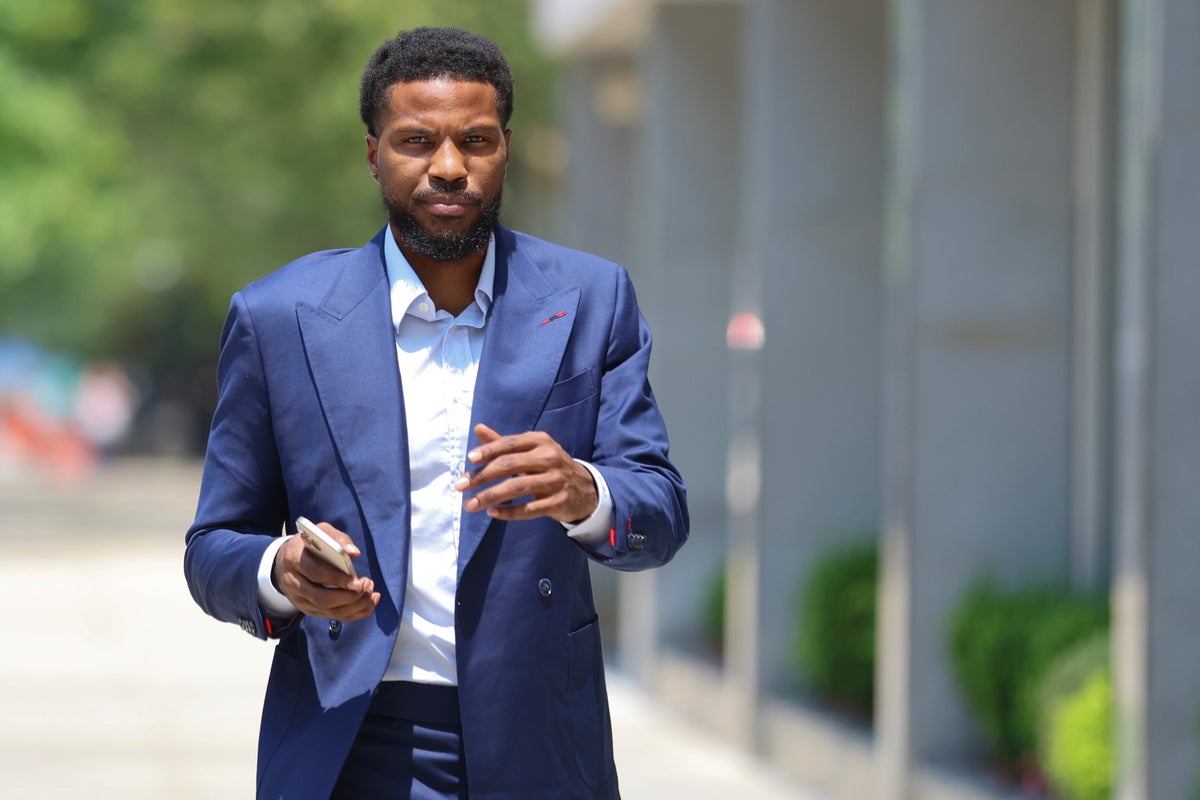
Malik Beasley stood inside a Brooklyn federal court and said almost nothing. He let his attorney, Jason Goldman, enter the official plea: not guilty.
Outside the courthouse, Beasley remained silent as his legal team spoke to reporters about fighting the charges and preserving the presumption of innocence. But the details contained in the federal indictment unsealed by the U.S. Attorney’s Office for the Eastern District of New York present a deeply troubling picture.
This isn't just about another athlete making bad choices. The federal case against Beasley, former teammate Ed Davis, and sports agent Paolo Zamorano exposes a glaring vulnerability in modern professional sports. The explosion of legal sports betting, combined with the hyper-specific market for player prop bets, has created a perfect storm for corruption.
What the Feds Say Happened on the Court
Federal prosecutors allege that Beasley, while playing for the Milwaukee Bucks during the 2023-24 season, intentionally altered his on-court performance to manipulate specific player prop bets. The goal was simple: enrich a ring of sports bettors and chip away at Beasley’s own mounting personal debts.
The indictment details multiple instances where Beasley allegedly rigged his own statistics.
- The Under Rebounds Scheme: In certain games, the betting syndicate placed heavy wagers on Beasley staying under his projected rebound total. Prosecutors note one specific game where Beasley finished with exactly three rebounds, sliding right under the 3.5 betting line set by major sportsbooks.
- The March 10 Chasing Grab: Conversely, prosecutors highlight a March 10, 2024 game against the Los Angeles Clippers. With only one second remaining on the clock and the Bucks holding a safe seven-point lead, the game was effectively over. Yet, Beasley aggressively challenged a meaningless final shot and sprinted past four players just to secure a final rebound as the buzzer sounded. He finished with four rebounds that night, hitting the "over" on his 3.5 prop bet line.
The feds even have the receipts. According to court documents, an alleged co-conspirator sent a text message after that Clippers game stating, "What's funny is after he got it he had a big sigh of relief."
The Real Reason Elite Athletes Fall Into the Betting Trap
You might look at a guy who made roughly $60 million during a nine-year NBA career and wonder why he would risk it all for a few thousand dollars on a prop bet. The truth is that career earnings don't matter when you are burning through cash faster than you can make it.
Beasley’s financial struggles were already a matter of public record before the FBI stepped in. He faced a $1 million default judgment from a sports marketing agency over an unpaid advance. He was evicted from a Detroit apartment over $21,000 in unpaid rent. He even faced localized legal disputes with his dentist and his barber.
The indictment alleges that Beasley lost millions through his own chronic gambling. When the money ran dry, he allegedly turned to his former Minnesota Timberwolves teammate, Ed Davis, for loans. Davis then allegedly acted as a "gatekeeper," coordinating the prop-betting scheme so Beasley could pay off his debts to the betting group.
It’s a classic predatory cycle. When an athlete owes money to the wrong people, their performance on the court becomes currency.
The Prop Bet Problem is Spoiling the Game
This is no longer an isolated incident. The federal sweep has already netted more than three dozen arrests. High-profile names like Terry Rozier and Basketball Hall of Famer Chauncey Billups have been dragged into the broader investigation under various gambling-related allegations.
The NBA can claim its integrity remains a top priority, but the league’s financial embrace of sports betting operators makes these scandals inevitable.
Player prop bets—wagers on exactly how many points, rebounds, or assists a single player will record—are incredibly easy to manipulate. A superstar can't easily fake losing a game without everyone noticing. But a role player can easily pass up an open shot, play soft on the glass, or commit a quick foul to ensure they stay under their statistical line.
If you want to understand where this is heading, look at the immediate fallout for Beasley. The federal investigation blew up a projected three-year, $42 million contract extension with the Detroit Pistons. He was forced to spend the past season completely out of the NBA, playing instead for a winter league team in Puerto Rico.
If you suspect that sports gambling is fundamentally changing how the games are played, you're absolutely right. Pay close attention to how the court handles Beasley's status conference on August 6. The outcome of this trial won't just decide Beasley’s freedom; it will set the precedent for how federal law enforcement polices the trillion-dollar sports betting industry. Look closely at the box scores during the upcoming season. When a player makes an irrational play in garbage time, don't assume it's just bad basketball.