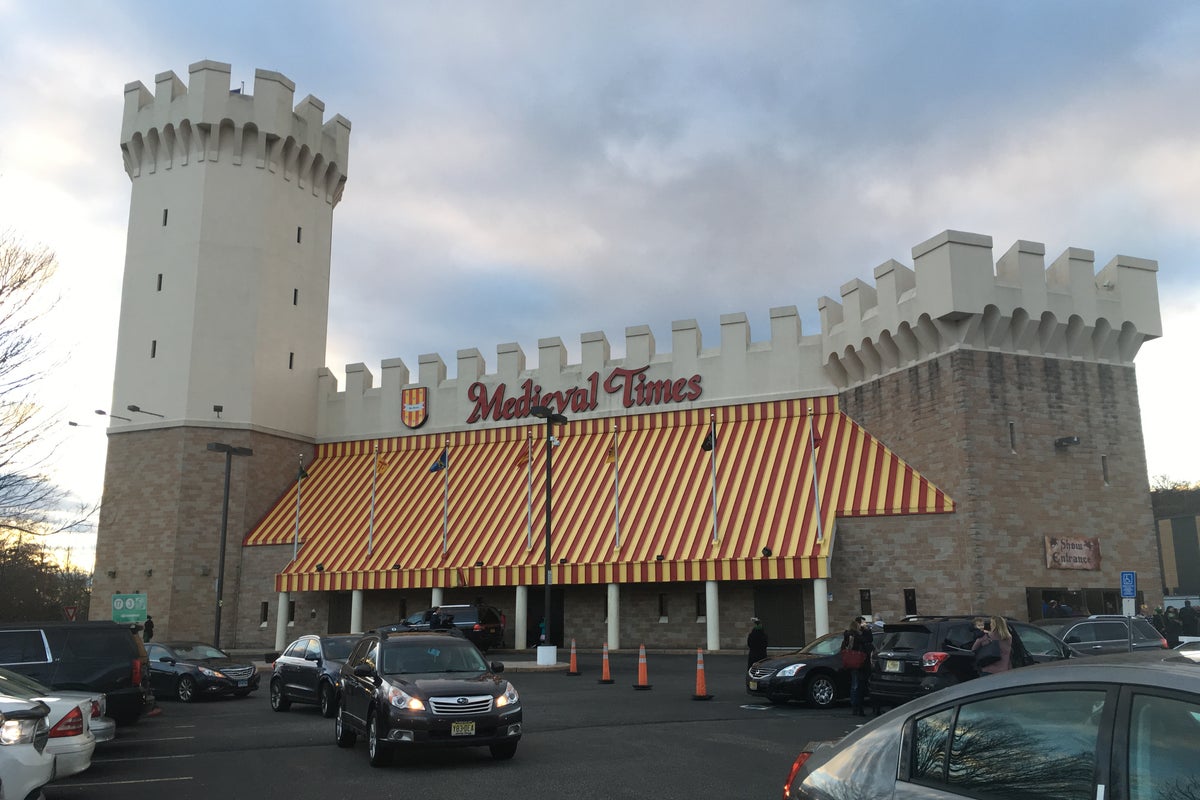
Working at a dinner theater shouldn't mean surviving a toxic workplace culture straight out of the dark ages. But that's exactly what a former performer alleges happened behind the scenes at a popular dinner tournament. A explosive federal lawsuit is exposing ugly truths about what went on after the arena lights went down.
Kaitlyn Farrell, a 34-year-old actress who played the "Queen" at the Buena Park castle in Southern California, filed a federal harassment suit against Medieval Times. Her complaints describe a nightmare of targeted retaliation, online stalking, and literal costume sabotage. It's a wild story, but it spotlights a massive loophole in how the entertainment industry handles employee safety.
The Toxic Reality Behind the Medieval Times Queen Case
Farrell stepped into her role with an earnest desire to entertain families and create a positive environment. Instead, she encountered a toxic hierarchy. Her legal complaint describes a two-tiered system where male cast members made unwanted romantic advances toward female staff with total impunity. Management didn't just ignore it. They normalization of bad behavior became part of the daily grind.
When women complained about gender-based misconduct, supervisors brushed it off. This dismissive attitude created a breeding ground for escalation. Farrell refused to stay quiet. She spoke up about the mistreatment, and that's when the workplace turned into an outright hostile environment.
When Retailation Means Sabotaging a Performance Dress
The most shocking claim in the lawsuit involves a planned wardrobe malfunction. According to the complaint, Farrell's supervisor decided to punish her for speaking out by targeting her wardrobe. The supervisor explicitly ordered a subordinate employee to rip out the stitching from Farrell's performance dresses.
Think about that. This wasn't a minor prank. It was a calculated move to cause an embarrassing exposure in front of a packed stadium of live families. The lawsuit states this sabotage aimed to destroy Farrell's confidence and inflict severe emotional distress while she performed. A coworker later corroborated the order, exposing the malicious intent behind the scenes.
Instead of investigating the issue, management doubled down. They cut Farrell's prime evening shifts, directly hurting her wallet.
Digital Harassment and Real World Stalking
The abuse didn't stop inside the castle walls. The lawsuit details an aggressive online smear campaign. Anonymous coworkers posted altered, degrading images of Farrell across social media platforms. They photoshopped her face onto semi-nude cartoon characters in sexualized positions. Another post featured her on a union picket line with a degrading caption meant to imply she was sexually promiscuous.
Farrell claims these posts showed clear signs of management involvement. When she brought the digital harassment to the company's attention, the response was baffling. Medieval Times management defended the explicit images. They claimed the posts were protected speech under the National Labor Relations Act. They refused to issue any discipline to the perpetrators.
The harassment eventually spilled over into Farrell's second job. While she was moonlighting as a costumed character at Disneyland, several Medieval Times employees showed up at the theme park. They crowded into her personal space and stared her down while she was trapped at her post, unable to walk away.
Corporate Denial and the Legal Battle Ahead
Medieval Times filed a formal answer to the allegations on June 15, denying any wrongdoing. The company asserts that it took all reasonable steps to prevent workplace discrimination. They are asking the court to dismiss the entire complaint with prejudice.
Farrell is pushing forward, seeking damages for lost wages and severe emotional distress. Her attorney, Jessica Ludd, stated they look forward to proving these intense allegations in a court of law.
This case isn't just about one dinner theater chain. It shows how easily corporate structures fail vulnerable performers who lack traditional union backstops or corporate HR protections. When management weaponizes an actor's costume against them, the line between workplace friction and criminal harassment completely disappears.
If you suspect your own workplace is crossing legal lines, document every single interaction. Keep copies of digital messages off company servers. Take screenshots of online abuse immediately. Don't rely on internal HR to protect your interests when their primary job is protecting the brand. Secure external legal counsel early if you see management protecting abusers instead of victims.