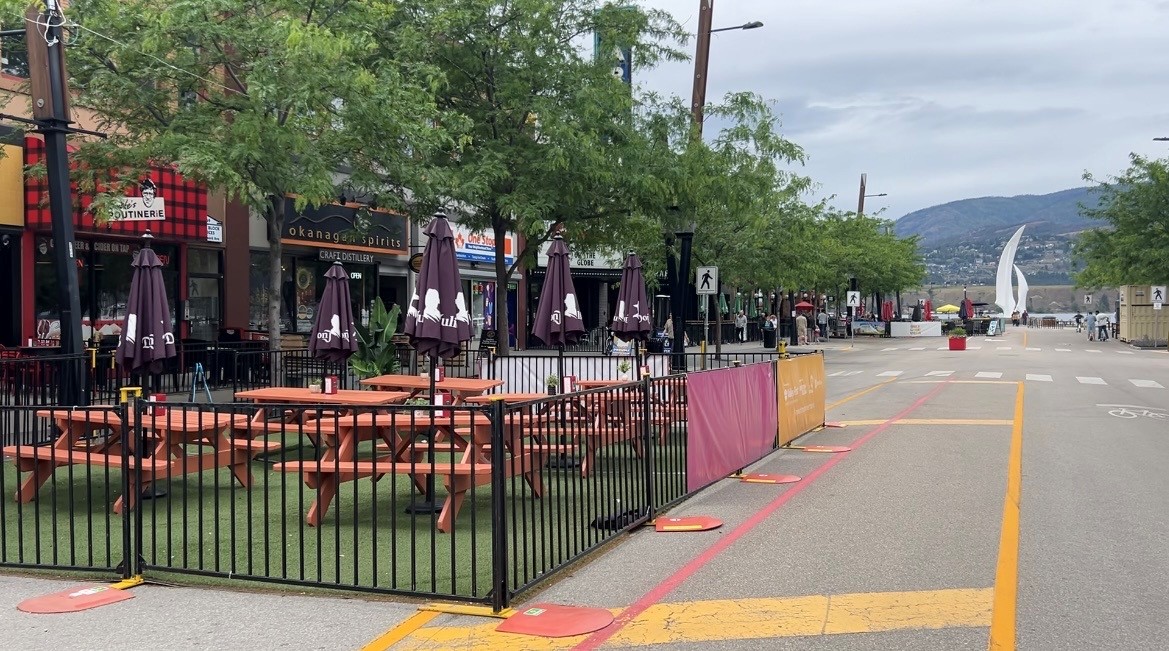
Big events usually belong to giant cities. Toronto, Vancouver, and Montreal lock down major conventions and international tournaments without breaking a sweat. But if you think a smaller city can't handle a massive sports influx and squeeze every drop of economic value out of it, look at what just happened in the Okanagan.
The 10-day Memorial Cup hockey tournament wrapped up with the Kitchener Rangers taking home the championship trophy. But honestly, the real win happened off the ice. Kelowna didn't just host a hockey tournament; it completely altered its traditional business calendar by forcing a peak-summer rush right into the final weeks of May.
For communities that rely heavily on seasonal travelers, the period between winter ski traffic and hot July beach weekends is usually pretty quiet. It's a slow transition. This year, that lull vanished completely. If you run a retail shop, a restaurant, or an ice cream parlor in the downtown core, you essentially got an extra month of high-season revenue handed to you on a silver platter.
Breaking Down the Multi Million Dollar Influx
When municipal governments pitch the idea of spending money to secure hosting rights for major junior hockey tournaments, taxpayers usually get a little skeptical. They ask if the return is worth the upfront investment. The preliminary data out of the Central Okanagan suggests it absolutely is.
Early estimates from the city pinned the baseline economic impact at roughly $23 million. But local leadership thinks that's a conservative number. Kelowna Mayor Tom Dyas noted that early indicators point closer to the $40 million mark. We won't see the formalized study from the Canadian Hockey League and Tourism Kelowna until early autumn, but the foot traffic tells the story right now.
- Tourism Kelowna reported an unprecedented 30,000 visitors passing through its main visitor information center during May alone.
- Main street hospitality operations saw immediate, sustained spikes in average daily seat turnover.
- Local hoteliers reported near-capacity booking blocks during a time when vacancy rates usually sit comfortably in the double digits.
This wasn't just a localized bump confined to Prospera Place where the games were actually played. The geographic distribution of visitor spending rippled through the waterfront, the north end, and into surrounding hospitality strips.
What Happens When Summer Comes Four Weeks Early
Talk to local business owners and they'll tell you the exact same thing. It felt like July in May. Omar D'Souza, who owns Parlour Ice Cream right near the waterfront, noted that his shop experienced peak-summer demand on days that would typically see casual, weather-dependent local traffic.
Just up the road, the story was mirrored at hospitality staples like The Train Station Pub. Co-owner Rhonda Lindsay noted that her business experienced a massive 40 percent jump during the tournament windows. For a restaurant industry that has spent the last year navigating shifting consumer habits, stubborn inflation, and tighter household budgets across Canada, a 40 percent revenue spike isn't just a nice bonus. It's a lifeline that solidifies the entire financial year.
The real lesson here is about shoulder-season strategy. Most tourism-heavy towns accept the slow months as an inevitability. You budget for the winter, you maximize the summer, and you pray you break even in the spring and fall. Kelowna took a different approach by actively buying into a premium sporting event specifically designed to fill rooms when they would otherwise sit empty.
The Operational Reality of Managing Sudden Scale
It's easy to look at the revenue numbers and celebrate, but scaling up an operation overnight causes massive headaches if you aren't prepared. Businesses that thrived during the 10-day stretch didn't just get lucky. They planned for the chaos.
If you are a business owner staring down a massive regional event in your city later this year, you can't rely on your standard operating procedures. The operations that won big in Kelowna utilized specific tactical plays that any business can replicate.
Staffing Up Before the Rush
You can't hire people on day two of a tournament. The winning play here was pulling summer student hiring timelines forward by a full month. Businesses that typically wait until mid-June to bring on their seasonal staff finalized contracts by late April to ensure a fully trained roster was ready to hit the floor the day the first team buses arrived.
Supply Chain Pre-Loading
Local pubs and restaurants didn't rely on their standard weekly delivery schedules. Inventory limits were pushed to maximum capacity for dry goods, local beers, and high-turnover menu items. Running out of stock when thousands of hungry out-of-province fans pour out of an arena is a disaster that costs thousands in real-time losses.
Marketing Straight to the Fanbase
The teams playing came from distinct regional markets, including Ontario travel contingents backing the Kitchener Rangers. Smart operators didn't just put a generic sandwich board outside. They tailored their spaces, created specific game-day features, and actively welcomed the visiting fanbases by name.
The Long Term Value of Shifting Visitor Perceptions
There's a broader economic narrative at play here. When people think of this region, they immediately think of Okanagan Lake beaches and summer wine tours. Those things sell themselves. The challenge is convincing travelers that the city offers a viable experience when the weather isn't 30 degrees Celsius.
Hosting a national tournament draws in a demographic that might not otherwise choose this destination for a standard vacation. You get families, corporate sponsors, and hockey enthusiasts from across the country who spend 10 days exploring the local geography.
When you show those visitors that the restaurants are top-tier, the brewery district is walkable, and the community can host a massive party in May, you create long-term repeat customers. They come back in October. They book weekend trips in March. It breaks the cycle of seasonal dependence.
City hall is already looking to repeat the playbook. Mayor Dyas indicated that negotiations are currently underway to secure another substantial event for this coming fall, aimed squarely at stabilizing the autumn shoulder season. Local business owners are already telling municipal leaders to keep their foot on the gas.
To make this work for your own business during the next major event cycle, you need to stop viewing community festivals and tournaments as a temporary disruption to your daily routine. Treat them as an aggressive expansion opportunity. Start auditing your local civic calendar today. Identify the next major tournament, concert series, or convention heading to your municipality, and align your inventory, marketing, and labor budgets to meet the demand before the crowds show up at your front door.