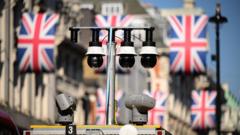
The High Court just handed the Metropolitan Police a massive win, and if you live in London, your face is now officially fair game for the algorithm. On April 21, 2026, judges dismissed a major legal challenge against the Met’s use of live facial recognition (LFR). It’s a blow for privacy campaigners, but for the police, it’s a green light to scale up a system they claim is finally fixing London’s crime problem.
Shaun Thompson and Big Brother Watch’s Silkie Carlo brought the case. Thompson was famously misidentified by the tech in February 2024 near London Bridge. He was stopped, questioned, and treated like a suspect because the software thought he was his brother. He called it "stop and search on steroids." The court, however, didn't agree that the policy was "arbitrary." Instead, they ruled that the Met has enough safeguards to keep the tech within the bounds of human rights law. Meanwhile, you can find similar developments here: The Chemical Shadow War and the Seizure of MV Touska.
The legal reality of your digital identity
The core of this challenge wasn't whether the police can use LFR—everyone agrees they can. The fight was over the discretion officers have. The claimants argued that the Met’s 2024 policy is too vague, letting them set up cameras almost anywhere under the guise of "crime hotspots."
The High Court disagreed. The judges found that the policy provides "sufficient clarity and foreseeability." In plain English? The law is clear enough that you should know when and where you might be scanned. The Met points out that they signpost every deployment. If you see a blue sign with a camera icon and a face, the algorithm is active. To explore the complete picture, check out the excellent report by The Washington Post.
By the numbers: Is it actually accurate?
Critics often point to the "98% failure rate" from trials back in 2016. But that’s old data. The Met’s current stats tell a very different story.
- 3 million faces scanned in the last year.
- 12 false alerts total.
- Zero arrests resulting from those false alerts.
- 2,100+ arrests made using the tech since early 2024.
These figures are hard to argue with if you’re a policymaker. Around 24% of those arrests were for crimes involving violence against women and girls. When the tech is catching rapists and domestic abusers, the "right to privacy" becomes a much harder sell to the general public.
The human cost of being a "false positive"
Shaun Thompson’s experience is the nightmare scenario for civil libertarians. Imagine walking to work and suddenly being surrounded by officers because a computer made a mistake. During the court case, it was revealed that Thompson eventually received a payment from the Met for his ordeal, and the force actually tweaked its policy because of his claim.
Even though he lost the big legal battle, his pushback forced the Met to be more precise about how they handle misidentifications. Officers are now trained to use "professional judgment" rather than blindly trusting the screen. They’re supposed to look at the person, look at the watchlist photo, and decide if a stop is actually necessary.
Why this isn't just a London issue
Policing Minister Sarah Jones didn't waste any time celebrating the verdict. She’s already talking about "rolling out facial recognition across the country." This isn't a pilot program anymore. It’s the new standard for British policing.
The government is betting that the public prefers safety over absolute anonymity. Recent polling suggests they might be right, with roughly 80% of Londoners supporting LFR. But that support usually lasts only until the camera catches the wrong person. The UK is currently the only country in Europe using this tech at such a massive scale. While the EU’s AI Act generally bans LFR in public spaces, the UK is leaning into it.
What you should do next
Don't expect the cameras to disappear. If anything, you'll see more of them at transport hubs, protests, and major events like the Notting Hill Carnival.
- Watch for the signs: The Met is legally required to notify the public. Look for the "Live Facial Recognition in Operation" posters before you enter a zone.
- Know your rights: If you're stopped, the police still need a reason to detain you. A "match" on the camera provides them with reasonable suspicion, but you are still entitled to see their ID and understand why you're being questioned.
- Stay informed on the appeal: Shaun Thompson has already signaled he wants to take this further. This ruling is a major milestone, but in the world of high-stakes legal precedent, it's rarely the final word.
The algorithm is staying. For now, the best thing you can do is understand how it works and where it's looking. Whether you think it's a "dystopian nightmare" or "smart policing," the High Court has made its choice.