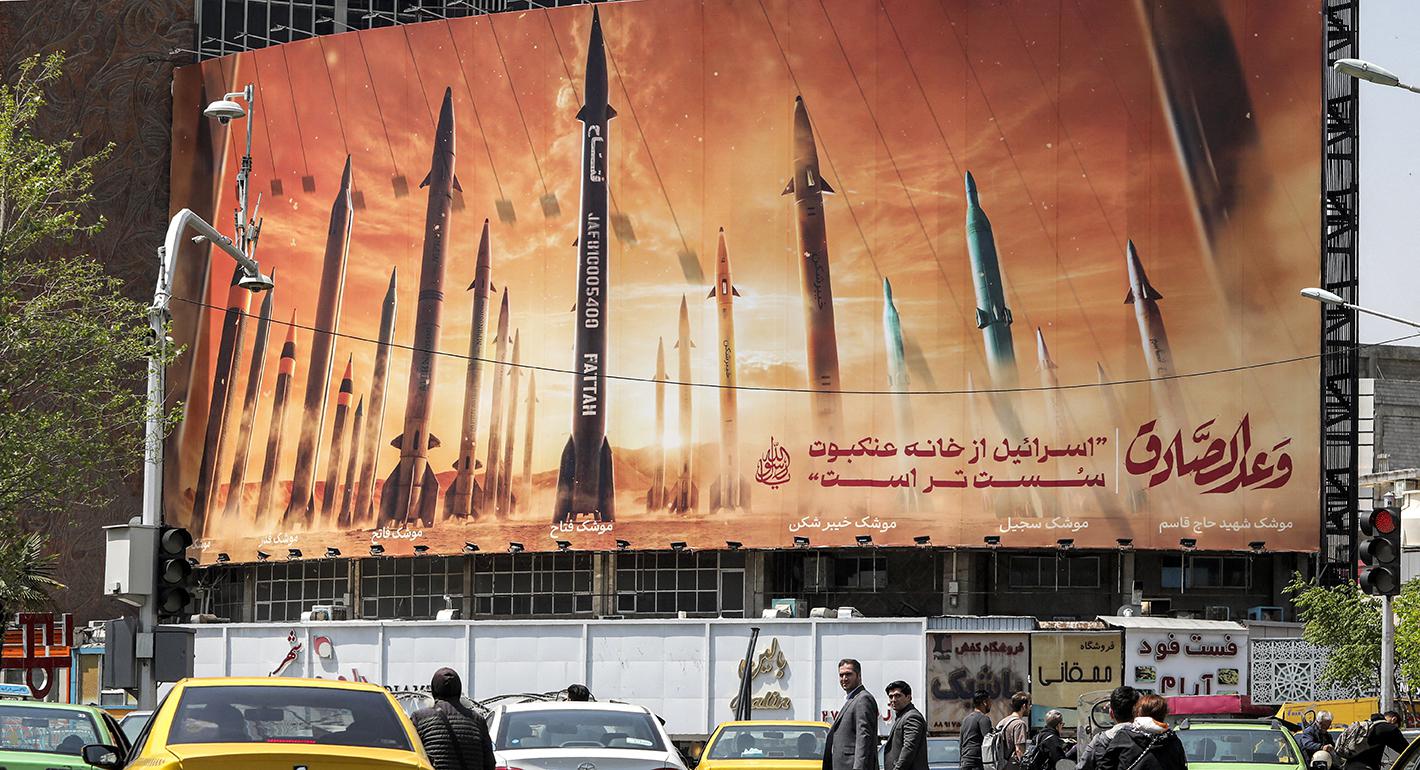
Geopolitics is often treated like a high-stakes poker game, but in the Persian Gulf, it’s closer to a choreographed wrestling match where the pain is real but the outcome is scripted long before the first blow lands. The mainstream media fixates on the "threat of escalation." They track every denial from Tehran and every tweet from Washington as if we are on the precipice of World War III. They are wrong. They are missing the structural reality of the "Permanent Crisis."
The headlines scream about ship attacks and retaliatory bombing threats. They paint a picture of a world teetering on the edge of chaos. In reality, this friction is the engine of the current global energy and security economy. Stability is bad for business. Chaos—carefully managed, low-intensity chaos—is the gold standard.
The Denial Ritual and the Sovereignty Mirage
When a tanker is hit and Iran issues a denial, the press treats it as a mystery to be solved. It isn't. The denial is a functional requirement of international law. It provides "plausible deniability" that allows global powers to avoid the very total war they claim to fear.
If Iran admitted to every tactical maneuver, the U.S. would be legally and politically forced into a full-scale kinetic response that neither side actually wants. The denial isn't a lie; it’s a pressure valve. It allows the U.S. to "warn" and Iran to "defy" without either side having to commit to the scorched-earth consequences of a formal declaration of war.
I’ve spent years analyzing risk for firms that move billions through these straits. The smartest players don't ask if an attack happened or who did it. They ask what the resulting insurance premium spike does to the margins of regional competitors.
The Trump Doctrine is Not About Peace
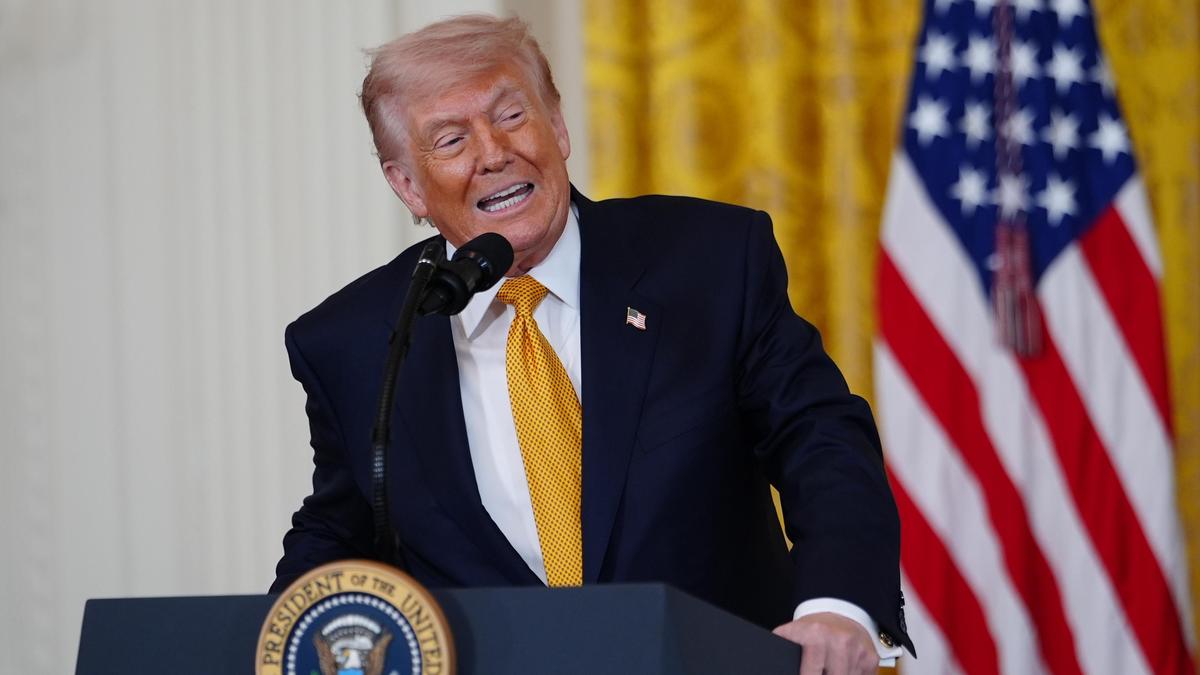
The common narrative suggests that the U.S. administration wants a "deal" to bring peace to the region. This is a fundamental misunderstanding of the objective. The goal isn't a peaceful Middle East; it’s a Middle East that remains under a specific brand of American-managed tension.
A peaceful, integrated Iran would be a disaster for U.S. regional hegemony. If Tehran were to become a normalized global trading partner, the "security umbrella" the U.S. sells to Riyadh and Abu Dhabi would lose its value. The U.S. doesn't want a deal that works; it wants a deal that keeps the target in a state of perpetual "almost-reintegration."
By threatening renewed bombing while simultaneously "eyeing a deal," the administration keeps the global oil market in a state of "backwardation." This is where the current price is higher than the expected future price, incentivizing immediate production and keeping the U.S. shale industry—which has higher break-even costs than Saudi crude—viable.
Why the "Escalation Ladder" is Broken
Social science and military theorists love the "escalation ladder"—the idea that you move from a slur to a slap to a punch to a gunshot. In the current climate, that ladder has been replaced by a circular treadmill.
- Attack on a vessel.
- Official denial.
- Sanction announcement.
- Naval "show of force."
- Backchannel negotiation.
- Repeat.
This cycle isn't a failure of diplomacy; it is the achievement of a specific type of equilibrium. This "Grey Zone" warfare allows for the testing of new technologies, such as swarm drones and electronic warfare suites, in a live environment without the diplomatic overhead of a declared conflict.
The Hidden Winners of the Tanker War
While pundits lament the risk to global trade, several sectors are quietly reaping the rewards of this localized volatility.
- Maritime Insurance (War Risk Premiums): Rates for the Persian Gulf don't just rise; they explode. This isn't just a cost; it’s a massive transfer of wealth from oil producers to Western financial institutions.
- Private Security Contractors: The more "unstable" the waters, the more essential the private protection details become. We are seeing the "Blackwater-ization" of the high seas.
- Alternative Pipeline Infrastructure: Every time a ship is threatened in the Strait of Hormuz, the valuation of terrestrial pipelines bypassing the strait—controlled by specific regional players—skyrockets.
Dismantling the "Oil Shock" Scare
"Oil will hit $200 a barrel if the bombing starts!"
This is the favorite ghost story of the energy sector. It’s also largely nonsense. The global energy map has shifted. The U.S. is a net exporter. The global economy is significantly less energy-intensive than it was in the 1970s. Most importantly, China—the primary buyer of Iranian crude—has zero interest in a price spike that cripples its manufacturing base.
The threat of an oil shock is used as a political cudgel to keep the public compliant with massive military spending. If the Strait of Hormuz were closed today, it would be a logistical nightmare, yes. But it would not be the end of Western civilization. It would simply be a massive redistribution of market share.
The Diplomacy of the Absurd
The media asks: "Can a deal be reached?"
The answer is: "The deal is already happening."
The "deal" isn't a signed piece of parchment with a wax seal. The deal is the current state of affairs. Iran gets to maintain its domestic revolutionary credentials by "standing up" to the Great Satan. The U.S. gets to justify a massive naval presence that monitors Chinese energy supplies. The Saudis get to buy the latest fighter jets.
Everyone at the table is getting exactly what they need from this conflict. Only the people living in the region and the taxpayers funding the carriers are losing.
The Actionable Truth for Investors and Analysts
If you are waiting for a resolution, you are going to go broke. You must position for the continuation of the crisis, not its conclusion.
- Ignore the Denials: They are a procedural formality, not a statement of fact.
- Watch the Insurance Rates, Not the Tweets: The "London Market" knows more about the actual risk of a bomb than the State Department does.
- Follow the Crude Flows to Asia: The real tension isn't between Washington and Tehran; it’s between Washington and Beijing over who controls the taps of the global economy.
Stop viewing the Middle East as a problem to be solved. It is a system that is currently functioning at peak efficiency for those who designed it. The friction is the point. The "danger" is the product. The bombing threats are the marketing.
If you want to understand the next decade of global news, stop looking for the "exit ramp." There isn't one. We are on a high-speed loop, and the operators are making too much money to ever let the ride stop.
Every time a politician tells you they want to "stabilize" the region, look at their other hand. It’s usually busy signing a weapons contract or an energy futures trade that relies on the very instability they claim to loathe.
Welcome to the age of the Managed Apocalypse. It's much more profitable than peace could ever be.