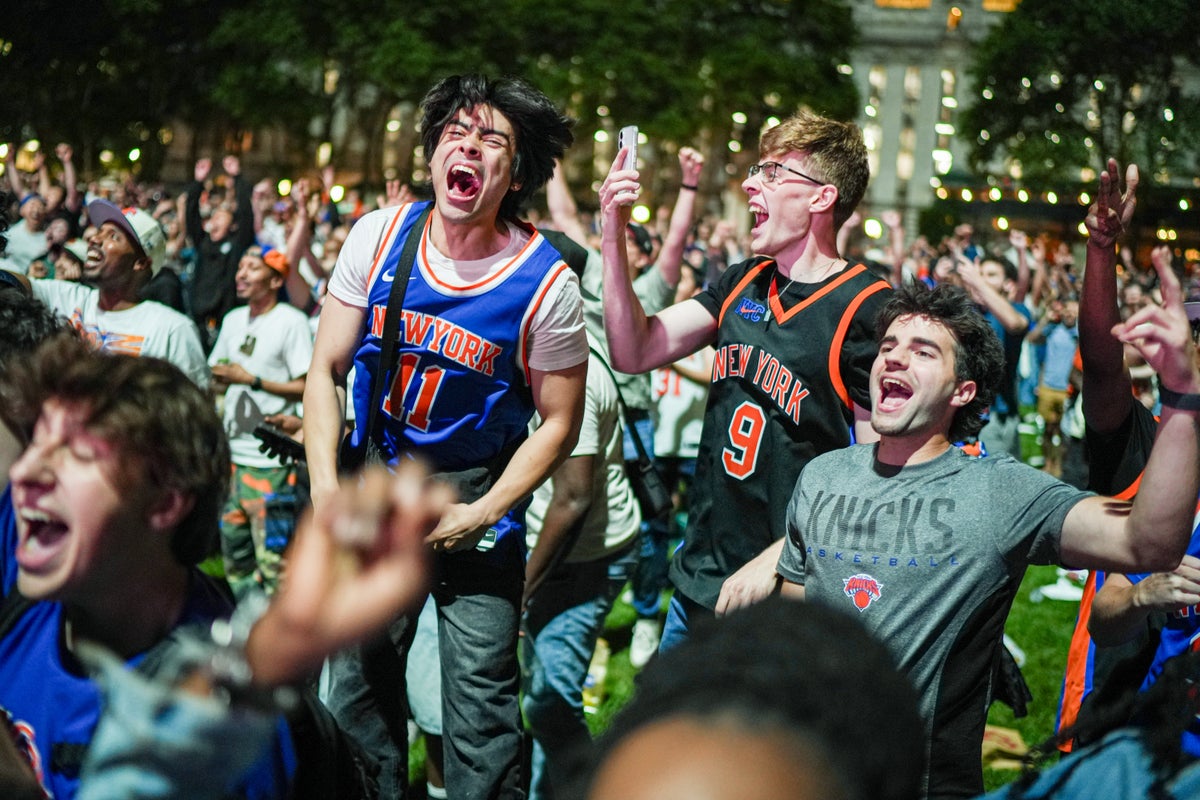
Los Angeles is transforming dozens of county and city parks into free, giant World Cup viewing hubs this summer, trying to neutralize the staggering ticket prices locking average fans out of SoFi Stadium. The massive public viewing initiative, coordinated across sprawling municipal districts from the San Fernando Valley to East L.A., represents a desperate attempt to keep the tournament democratic. Local officials have confirmed that major hubs like El Cariso Park in Sylmar, Belvedere Park in East Los Angeles, and the Exposition Park lawns will feature massive LED screens, food trucks, and live entertainment for every major match. It is a sweeping civic experiment.
Yet, beneath the glossy press releases celebrating accessible soccer for all Angelenos, lies a complex web of logistical nightmares, staggering security costs, and corporate sponsorship battles that threaten to boil over before the first kickoff.
The Premiumization of Live Soccer and the Public Cushion
Securing a single seat at SoFi Stadium for a group-stage match requires a small fortune. For the working-class communities that form the bedrock of Southern California’s soccer culture, these live matches are entirely out of reach. FIFA’s aggressive pricing strategy has effectively cordoned off the stadium infrastructure for international tourists and high-net-worth individuals.
This is where the city and county park system steps in.
Municipal governments are picking up the slack. By turning local green spaces into makeshift stadiums, city planners hope to defuse the growing resentment surrounding the commercialization of the tournament. The goal is simple: create an atmosphere that rivals the stadium experience without the fiscal barrier to entry.
But replicating a high-tech stadium environment across dozens of unsecured, open-air public parks is an unprecedented operational hurdle. The cost of renting commercial-grade LED screens capable of combating the blinding Southern California sun runs into the tens of thousands of dollars per day, per location. When multiplied across a month-long tournament and dozens of sites, the line-item expenses quickly escalate into a massive fiscal burden for a city already grappling with intense budgetary scrutiny.
The Invisible Logistics of Security and Crowd Control
You cannot simply drop a jumbotron into a neighborhood park and expect a peaceful festival. Soccer matches provoke intense passion. When thousands of fans gather in high-heat environments to watch high-stakes international sports, municipal agencies must prepare for intense crowd dynamics.
The Los Angeles Police Department and the County Sheriff's Department are quietly rewriting their summer deployment schedules to cover these watch parties. Managing crowd safety at a contained venue like SoFi Stadium is relatively straightforward. There are turnstiles, metal detectors, and private security personnel managing every square inch of the property.
Parks are a different beast entirely. They have multiple entry points, no perimeter fencing, and are deeply embedded within residential neighborhoods.
The Heat Factor and Public Health
Midday matches in July mean peak heat. Venues like Belvedere Park offer some tree canopy, but the sheer volume of expected attendees will quickly overwhelm shaded areas.
- Water Infrastructure: Municipalities are rushing to install temporary hydration stations, but standard park plumbing isn't built for sudden surges of thousands of people demanding water simultaneously.
- Emergency Medical Services: LAFD routes are being adjusted. Ambu-buses and bicycle-mounted paramedics will be stationed at the largest watch parties, because standard ambulances cannot easily navigate packed park walkways during an emergency.
The threat of heat stroke is real. If water distribution fails or emergency response times lag due to gridlocked traffic around the parks, these celebratory viewing hubs could easily devolve into public health liabilities.
The Corporate Standoff Over Free Public Spaces
An underreported friction point in the execution of these watch parties is the aggressive enforcement of FIFA’s corporate sponsorship guidelines. The international soccer governing body is notoriously litigious when it comes to protecting its official partners.
When a city uses public funds to broadcast a match in a public park, the event technically falls under public exhibition rules. FIFA closely monitors these gatherings to ensure local businesses do not engage in "ambush marketing."
Consider a hypothetical scenario where a popular local taco truck parks down the street from an official city watch party. If that truck uses the official tournament logo on its menu or is prominently visible near the big screen, the city risks violating its broadcast agreements. Local authorities are being forced to police small-scale vendors, ensuring that only official corporate partners or strictly licensed concessionaires operate within the immediate vicinity of the viewing screens.
This creates a bitter irony. The watch parties are designed to celebrate local community and culture, yet municipal workers must enforce rigid corporate dictates on the very citizens they are trying to serve.
Where the Screen Infrastructure is Actually Rolling Out
Despite the logistical friction, the network of parks slated to host these events is impressive in its geographic diversity. The city has strategically placed the viewing hubs to ensure that residents in historically underserved sports markets have direct access to the tournament atmosphere.
The San Fernando Valley Hubs
El Cariso Park in Sylmar will serve as the primary destination for the northern reaches of the city. The expansive green spaces here allow for massive screen setups, but the area regularly sees summer temperatures eclipse triple digits, making heat mitigation the primary concern for valley planners. Sepulveda Basin Recreation Area will also host select weekend fixtures, utilizing its vast parking infrastructure to handle the expected vehicle influx.
The Metro and East L.A. Corridors
Belvedere Park is positioned to be the cultural epicenter of the viewing initiative. Given the deep soccer roots in East Los Angeles, county officials expect record-breaking turnouts for matches involving Mexico, the United States, and central American nations. Further south, the lawns surrounding Exposition Park will offer a central urban hub, easily accessible via the Metro E Line, reducing the intense parking pressure that plagues other locations.
South L.A. and Harbor Sites
Earvin "Magic" Johnson Park in Willowbrook has undergone significant infrastructure evaluations to prepare for the crowds. Its modern layout and water features make it an ideal venue, though security coordinators are scaling up personnel to manage the perimeter effectively. Down in the harbor, Daniels Field in San Pedro will provide a coastal alternative, where natural sea breezes will alleviate some of the thermal stress faced by inland parks.
The Financial Fallout and Who Pays the Bill
Free public events are never truly free. The money required to power the screens, staff the sanitation details, and pay police overtime comes directly from civic coffers. While some funding is offset by county transient occupancy taxes and specific tourism grants, a significant portion of the operational cost lands squarely on municipal budgets.
Critics argue that allocating millions of dollars for temporary entertainment screens is irresponsible when the city faces systemic challenges regarding homelessness, infrastructure decay, and failing public transit. Proponents counter that public joy and civic unity have measurable, if intangible, value. They argue that blocking the public from participating in a historic event hosted in their own backyard would cause far greater damage to the civic fabric.
The financial gamble relies heavily on the performance of the home teams. If the United States or Mexico exits the tournament early, public interest will inevitably wane. The city could find itself paying for massive, empty viewing arenas, watching expensive LED screens flicker in front of scattered crowds while the police overtime hours continue to accumulate.
The Transportation Bottleneck
Los Angeles is a city defined by traffic, and the watch party initiative will push local roads to their absolute limits. Most neighborhood parks were designed for local foot traffic or modest weekend picnics. They do not possess the parking lots required to hold two thousand vehicles for a synchronized public event.
Neighborhoods surrounding parks like Belvedere and El Cariso are bracing for a surge of gridlock. Parking restrictions will be strictly enforced, and parking enforcement divisions are preparing for massive towing operations to keep residential driveways clear.
The city is actively encouraging the use of public transit, but the connection between the rail system and many of these regional parks is fractured at best. Getting to a park in Sylmar or Willowbrook via bus on a hot Tuesday afternoon requires a level of patience that many casual sports fans simply do not possess. Ride-share drop-off zones are being mapped out, but these zones frequently become choked with idling vehicles, exacerbating the localized gridlock.
The success of this entire experiment hinges on the first week of operation. If the transportation networks fail and the neighborhoods surrounding these parks are paralyzed by traffic, public backlash will force city council members to scale back the viewing schedules.
The Permanent Legacy of Temporary Infrastructure
When the tournament concludes and the giant screens are dismantled, the true impact on Los Angeles parks will become clear. The sheer physical toll of thousands of people trampling park lawns day after day will leave many of these green spaces decimated. Irrigation systems will be crushed by heavy production vehicles, turf will be turned to dust, and local park maintenance crews will face months of rehabilitation work.
This is the hidden cost of hosting the world on a municipal budget. The city is trading the long-term health of its public parks for a month of high-profile civic celebration. For a city trying to prove it can host mega-events ethically and equitably, the state of these local parks in the autumn will reveal the true price of admission.