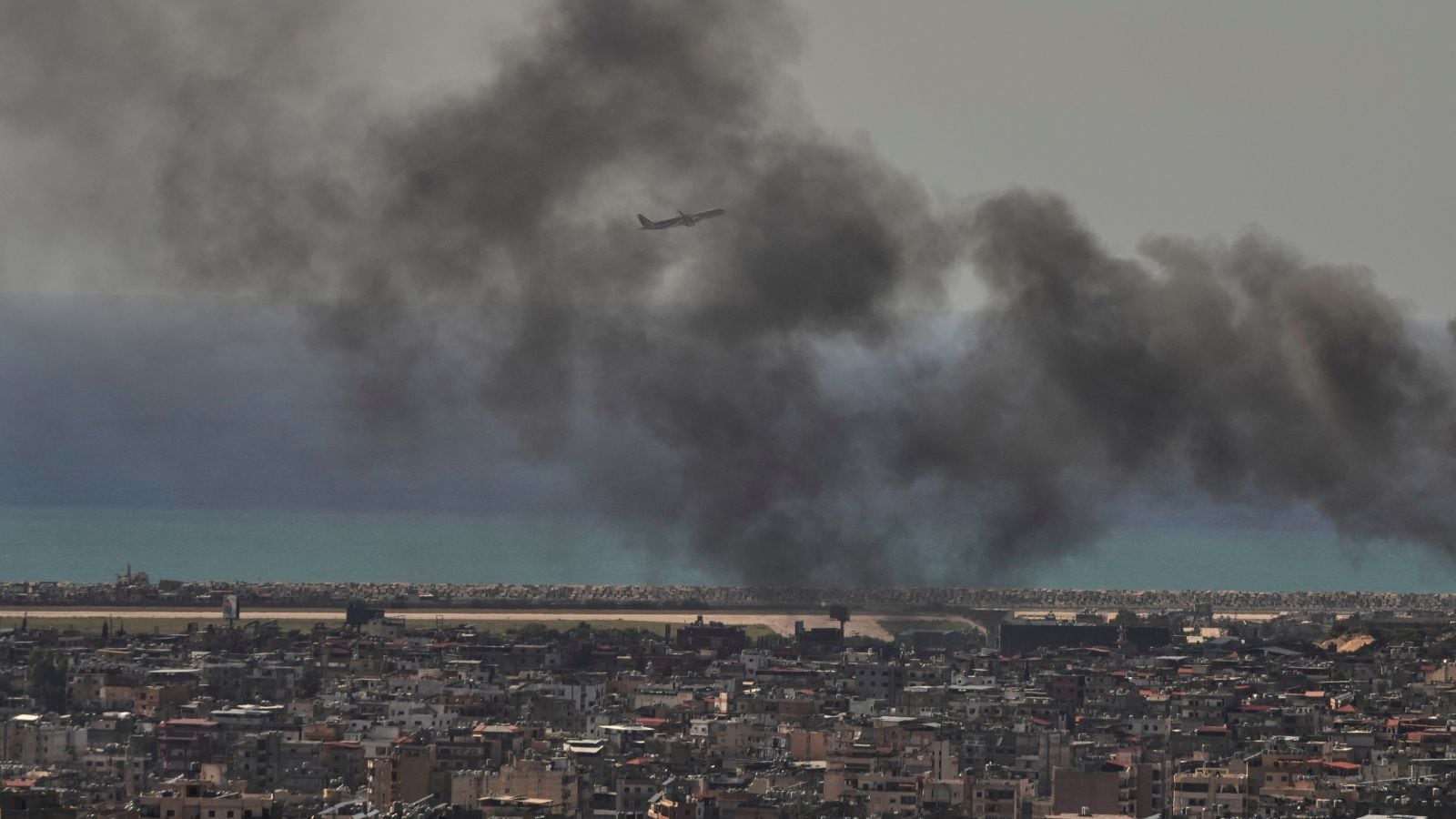
The diplomatic stage is a theater of the absurd where the script is written in the ink of "Islamic teachings" and "sovereignty," yet the actors are playing a high-stakes game of energy dominance and demographic survival. When the Saudi Foreign Minister stands before a podium to "slam" Iran for regional aggression, he isn't delivering a sermon. He is executing a marketing pivot.
The lazy consensus among Western analysts is that we are witnessing a binary struggle between a "status quo power" (Saudi Arabia) and a "revisionist actor" (Iran). This narrative is not only tired; it is dangerously wrong. It ignores the fact that both nations require this friction to justify their domestic existence and their bloated defense budgets. To "condemn" aggression in West Asia while ignoring the structural necessity of that aggression is like complaining about the heat while standing inside a furnace.
The Theology Shield is a Distraction
Every time a Gulf official invokes "Islamic teachings" to criticize Iranian proxies, they are using a soft-power lever to mask a hard-power deficit. Iran’s "Axis of Resistance" is not a religious crusade; it is a masterpiece of low-cost, high-yield asymmetric warfare. While Riyadh spends billions on top-tier Western hardware—F-15SAs and Typhoon jets—Tehran spends pennies on the dollar to build a "Forward Defense" strategy using local militias in Lebanon, Iraq, and Yemen.
Islamic teachings aren't the metric here. Leverage is. Iran has successfully exported its security borders. Saudi Arabia is still trying to defend its own. When the Foreign Minister calls these attacks a violation of faith, he is appealing to a global Muslim audience because he cannot yet match the Iranian "militia-as-a-service" model on the ground. It is an admission of tactical frustration, not a moral epiphany.
Why "Stability" is a Trap for the West
We are told that a peaceful Gulf is the ultimate goal. That is a lie. A perfectly peaceful Gulf would crater the global arms market and force a domestic reckoning in both Riyadh and Tehran that neither regime is prepared for.
The tension—the "controlled instability"—is the actual product. It keeps the U.S. Fifth Fleet anchored in Bahrain. It keeps the price of crude oil from bottoming out during global recessions. Most importantly, it allows the Saudi "Vision 2030" project to frame itself as a beacon of progress against a backdrop of "Iranian chaos." Without the Iranian bogeyman, the rapid social liberalization in Saudi Arabia would face much harsher scrutiny from its own conservative base.
I have watched policy advisors in D.C. and London scramble to "de-escalate" every time a drone hits a pipeline. They are asking the wrong question. They ask, "How do we stop the attacks?" They should be asking, "Who profits from the repairs?"
The Sovereignty Paradox
The competitor article highlights the "violation of sovereignty" as a central grievance. Let’s be brutal: Sovereignty in the Middle East is a fluid concept practiced only by those with the firepower to enforce it.
Iran views the presence of Western bases in the Gulf as a violation of regional sovereignty. Saudi Arabia views Iranian-backed Houthi drones as a violation of territorial integrity. Both are right. Both are wrong. By focusing on the legality of these strikes, the media misses the utility of them.
- The Iranian Utility: Proving that no amount of Western technology can create a "impenetrable bubble" around the Gulf’s oil infrastructure.
- The Saudi Utility: Using the attacks to demand "Ironclad" security guarantees from Washington, effectively outsourcing their national defense to the American taxpayer.
The Failure of "Islamic Solidarity"
The claim that Iran's actions violate Islamic principles is a recurring trope that has lost its teeth. If the Middle East functioned on religious solidarity, the map would look vastly different. It functions on the Realpolitik of the Strait of Hormuz.
$P_{oil} = f(Supply, Demand, Geopolitical Risk)$
In this equation, Geopolitical Risk is the only variable the regional players can actively manipulate. When Iran nudges the risk, the price moves. When Saudi Arabia condemns the risk, they solidify their role as the "responsible" energy provider. It is a symbiotic dance of condemnation and provocation.
The Counter-Intuitive Truth: We Need the Friction
If Saudi Arabia and Iran actually achieved a "Grand Bargain" tomorrow, the following would happen:
- Oil prices would plummet as the "war premium" disappears.
- The U.S. would have no justification for its massive military footprint in the region.
- Internal dissent in Iran would lose its "external enemy" excuse.
- Saudi Arabia’s massive military spending would be exposed as a sunk cost with no return on investment.
The friction is the glue. The "slams" and "condemnations" are the theatrical performances that keep the audience from looking behind the curtain.
Stop Looking for a Peace Treaty
The mistake every "expert" makes is looking for a signature on a piece of paper. They want a new JCPOA or a regional non-aggression pact. They are dreaming. The Middle East doesn't do "Final Settlements." It does "Managed Competition."
The Saudi Foreign Minister isn't looking for Iran to change its soul. He is looking to increase the cost of Iran’s behavior. The rhetoric about "Islamic teachings" is just the currency he's using to pay for international sympathy.
If you want to understand the next decade of West Asian conflict, stop reading the transcripts of diplomatic summits. Start looking at the battery life of a Shahed drone and the insurance premiums on a VLCC (Very Large Crude Carrier) passing through the Gulf of Oman.
The aggression isn't a "violation" of the system. The aggression is the system.
Buy the volatility. Ignore the piety.
The real danger isn't that the "attacks" continue; it’s that one day, both sides might actually run out of things to scream about, and they'll be forced to look at the wreckage of their own economies without a villain to blame.
Stop asking when the "aggression" will end. Ask how much longer the world can afford to pretend that these two powers actually want it to stop.
Those who scream the loudest about the "violation of teachings" are usually the ones most dependent on the violation occurring. Diplomacy in the Gulf isn't about finding a solution; it's about perfecting the art of the grievance.
Riyadh doesn't want Iran to disappear. It wants an Iran that is just scary enough to keep the West invested, but just weak enough to never actually win. Tehran wants the same in reverse.
Everything else is just noise for the cameras.
The status quo isn't broken. It's working exactly as intended for everyone except the people caught in the middle.
End the charade. Stop calling it a "clash of civilizations" or a "religious rift."
Call it what it is: a permanent hedge against a future neither side is ready to face.
Article over.
Would you like me to analyze the specific impact of Saudi Arabia's "Vision 2030" on its military procurement strategy compared to Iran's domestic defense manufacturing?