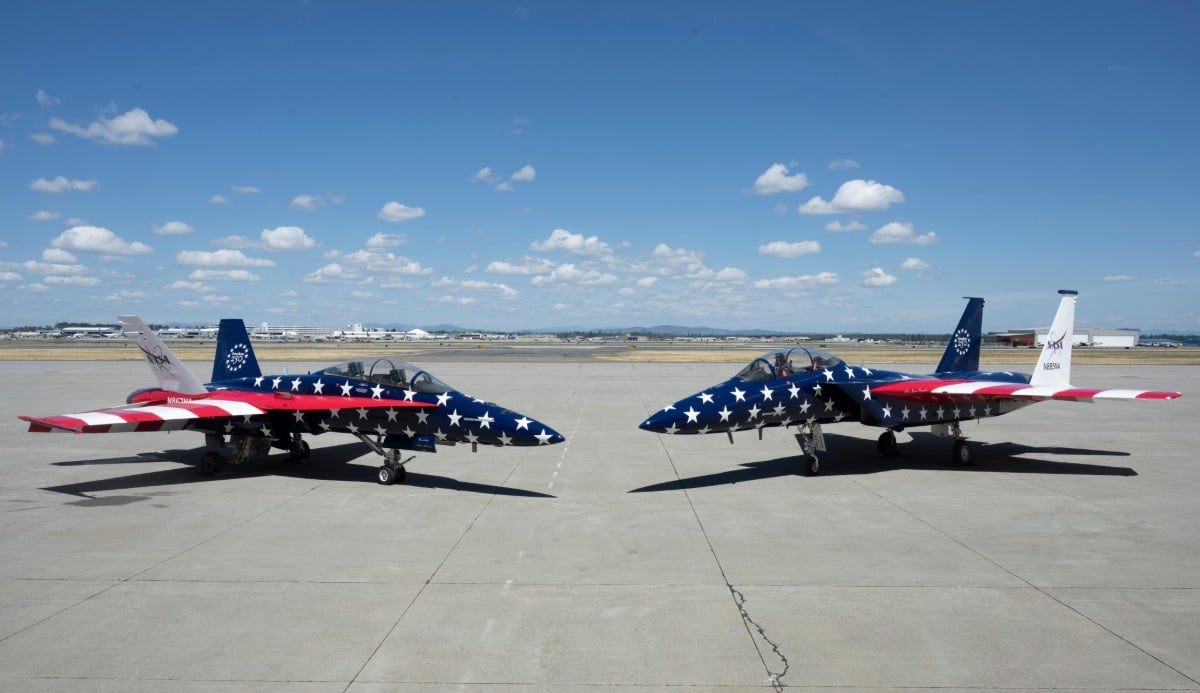
NASA just rolled the X-59 Quiet Supersonic Technology (Quesst) aircraft out of the paint barn in Palmdale, California. The agency proudly showed off a new red, white, and sonic-blue livery. The aerospace press corps immediately swooned over the patriotic paint job, treating a cosmetic upgrade as if it were a major technological leap.
They fell for the oldest trick in the public relations playbook.
Slapping a fresh coat of high-gloss polyurethane on an experimental airframe does not solve the fundamental crisis facing commercial supersonic flight. The aerospace industry is suffering from a collective delusion. We are celebrating a paint job while ignoring the economic and regulatory brick wall that the X-59 is about to fly into at Mach 1.4.
I have spent years tracking aviation development pipelines, watching aerospace firms burn through billions in venture capital on the promise of bringing back Concorde-style travel. The reality is brutal. The X-59 is a brilliant piece of aerodynamic engineering, but it is being asked to solve the wrong problem.
The Acoustic Illusion of the Sonic Thump
The entire premise of the X-59 project rests on a single goal: replacing the window-rattling sonic boom with a muted "sonic thump."
When an aircraft exceeds the speed of sound, it compresses the air molecules ahead of it into shockwaves. These shockwaves coalesce into two distinct pressure spikes—one at the nose and one at the tail—creating the classic double-boom that led the Federal Aviation Administration (FAA) to ban civil supersonic flight over land in 1973.
NASA's engineers used advanced computational fluid dynamics to shape the X-59's 99.7-foot-long, ultra-slender fuselage. The design stretches out the shockwaves, preventing them from merging. On paper, this reduces the perceived decibel level on the ground from a sharp 105 PLdB (Perceived Level of Decibels) to a gentle 75 PLdB.
Imagine the sound of a distant car door slamming instead of a firecracker exploding next to your ear.
It is a triumph of fluid mechanics. But it assumes that public acceptance is the only gatekeeper to supersonic commerce. It is not. The industry is hyper-focused on the acoustics because acoustics are quantifiable in a wind tunnel. The real killer of supersonic flight is not sound. It is thermal efficiency and the basic laws of thermodynamics.
The Fuel Burn Math That Everyone Ignores
Let's look at the numbers the celebratory press releases conveniently omit.
To cruise at Mach 1.4 without creating a massive boom, the X-59 relies on a single General Electric F414-GE-100 engine. That engine is mounted on top of the aircraft to keep the exhaust shockwaves from pointing toward the ground.
When you scale this design up to a commercial airliner capable of carrying 50 to 80 passengers, the physics fall apart. Aerodynamic drag increases exponentially as an aircraft approaches and passes the speed of sound. To overcome that drag, a commercial supersonic transport (SST) must burn between three to five times more fuel per passenger-mile than a standard high-bypass turbofan airliner like a Boeing 787 or an Airbus A350.
Aircraft Type      | Relative Fuel Burn Per Passenger-Mile
-----------------------------------------------------------
Modern Turbofan    | 1.0x (Baseline)
Proposed Quiet SST | 3.5x - 5.0x
In an era where every major airline is desperate to hit net-zero carbon targets, proposing a fleet of aircraft that consume four times more fuel per seat is financial and environmental madness. The airline industry operates on razor-thin margins. You cannot offset a 400% increase in fuel consumption by charging a 20% premium for a shorter flight time. Concorde proved that. It operated as a state-subsidized vanity project for wealthy elites until a single crash and escalating maintenance costs forced its retirement.
The Regulatory Mirage
NASA plans to fly the X-59 over select U.S. communities to gather data on human perception of the sonic thump. This data will be handed to the FAA and international regulators to help rewrite the rules, moving from a blanket speed ban to a sound-based limit.
This timeline is wildly optimistic. Regulators do not move at Mach 1.4.
Rewriting international aviation standards through the International Civil Aviation Organization (ICAO) takes decades. Even if NASA proves the X-59 sounds like a whisper, the political blowback of lifting the overland ban will be immense. Suburban community groups, environmental lobbies, and anti-noise coalitions are already weaponized against standard airport expansions. The moment an airline proposes flying a business jet at 60,000 feet over a major metropolitan area, the lawsuits will lock the aircraft in litigation for years.
Furthermore, the X-59 is an experimental research vehicle (an X-plane), not a prototype for an airliner. It lacks a cockpit window. The pilot looks through an external vision system consisting of a 4K camera and a display screen because the long, needle-nosed design makes a traditional windshield aerodynamically impossible. Good luck getting airworthiness certification for a commercial passenger jet where the pilots view the runway through a closed-circuit television screen.
Stop Tuning the Sound, Fix the Economics
The aerospace sector needs to stop chasing the ghost of Concorde with shinier paint and quieter thumps. The obsession with speed is a distraction from the real frontier of aviation: ultra-efficiency.
If we want to revolutionize travel, the focus must shift entirely toward sustainable aviation fuels (SAF), synthetic kerosene, and radical aerodynamic configurations like the blended wing body. These technologies actually address the existential threat to aviation—carbon emissions and operating costs.
The X-59's new red, white, and blue coat looks spectacular on a runway in the California desert. It makes for great promotional videos. But do not confuse a marketing milestone with a commercial breakthrough. Until someone rewrites the laws of thermodynamics to make supersonic drag economical, these quiet jets will remain exactly what the X-59 is today: an expensive science project wrapped in a very pretty flag.