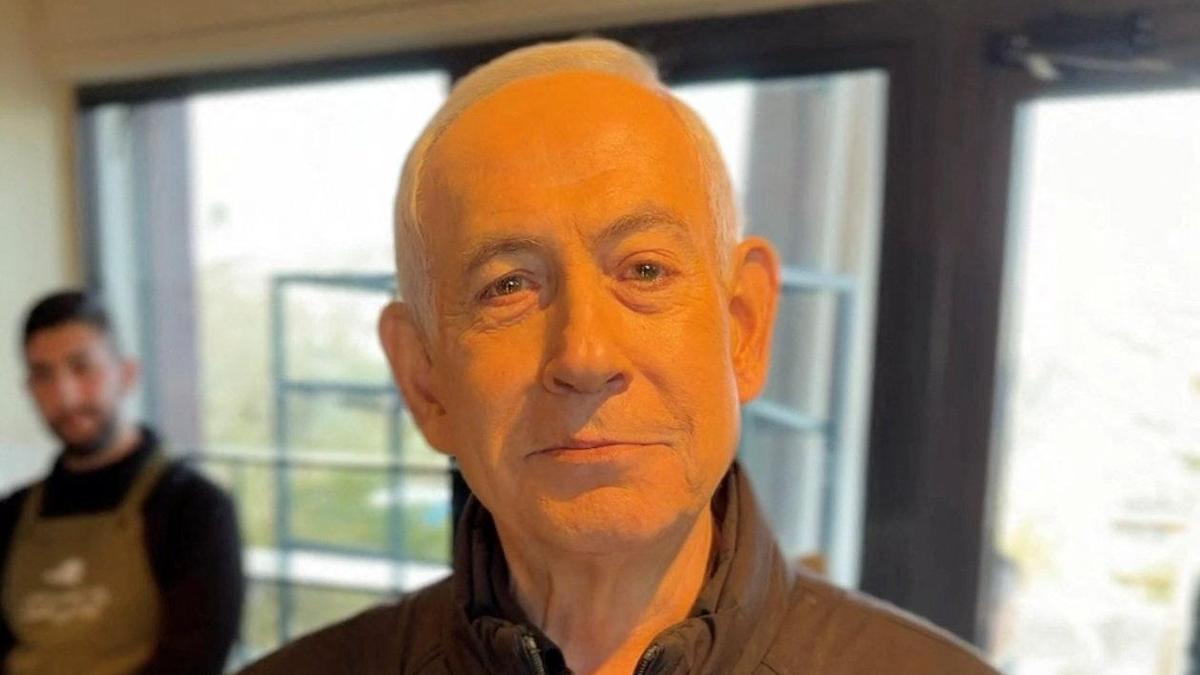
Most world leaders stick to the script when it involves a hostile foreign power. They issue stiff press releases or wait for a formal diplomatic channel that usually never opens. Benjamin Netanyahu does something different. Every year around the spring equinox, the Israeli Prime Minister bypasses the Iranian government entirely to speak directly to the citizens of Iran.
This year's Nowruz message isn't just a polite holiday greeting. It’s a calculated piece of psychological warfare and digital diplomacy. Netanyahu knows exactly what he’s doing. By wishing "Nowruz Piroz" (Happy Nowruz) to the people of Iran, he’s driving a wedge between the Iranian public and the Islamic Republic’s leadership. It’s a bold move that ignores the typical rules of international relations. Don't miss our previous post on this related article.
Usually, when two countries are this close to a hot war, the rhetoric stays focused on military hardware and red lines. But Netanyahu’s strategy focuses on a shared future and ancient history. He isn't talking to the Ayatollah. He's talking to the students in Tehran and the shopkeepers in Isfahan.
The message behind the holiday wishes
The core of Netanyahu’s Nowruz video is simple. He claims that Israel and the Iranian people have a common enemy: the regime in Tehran. This isn't a new stance for him, but the timing makes it feel more urgent. With tensions at an all-time high regarding nuclear enrichment and regional proxy battles, a "happy holidays" video might seem trivial. It isn't. To read more about the context here, NPR provides an informative breakdown.
Netanyahu uses these videos to remind Iranians of their pre-Islamic history. He often references Great Cyrus, the Persian king who allowed the Jews to return to Jerusalem and rebuild their temple. By doing this, he creates a narrative where Israel and Iran aren't natural enemies but ancient allies currently separated by a "radical" government.
He speaks about the water crisis in Iran. He talks about the tech talent that’s fleeing the country. He paints a picture of what Iran could look like if it weren't spending its wealth on groups like Hezbollah or Hamas. It’s a classic "what if" scenario designed to spark internal resentment. If you're an Iranian citizen struggling with 40% inflation, hearing a foreign leader talk about your country's lost potential hits a nerve.
Why this strategy actually works
Some critics call these videos "cringe-worthy" or "empty propaganda." They're wrong. These messages get millions of views inside Iran despite the regime's best efforts to block social media. Iranians are tech-savvy. They use VPNs. They see what the world is saying.
When Netanyahu speaks directly to them, he validates their frustrations. He acknowledges the "Woman, Life, Freedom" protests. He mentions the bravery of those standing up to the morality police. This creates a unique brand of soft power. While the Iranian government burns Israeli flags, the Israeli leader is in a studio trying to sound like a friend.
It’s about optics. Israel wants to be seen as a liberator, not an aggressor. If a conflict ever does break out, the groundwork laid by these videos is meant to ensure the Iranian public doesn't rally behind their leaders. It’s a long game.
The risk of being too vocal
There’s a flip side to this. Not every Iranian likes being a pawn in a PR battle. Even those who hate the current regime can be fiercely nationalistic. When a foreign leader—especially one from a country often blamed for their economic woes via sanctions—starts giving advice, it can backfire.
Hardliners in Tehran use these videos as proof that the protesters are "Zionist agents." It gives the Revolutionary Guard a narrative to justify crackdowns. "Look," they say, "the enemy is cheering you on. That means you’re a traitor."
Netanyahu doesn't seem to care about that risk. He’s betting that the internal pressure in Iran is so high that the "traitor" label won't stick anymore. He’s betting that the average person in Shiraz cares more about their internet being cut off than they do about a video from Jerusalem.
Breaking the wall of silence
Digital diplomacy has changed how wars are fought before they even start. You don't need an embassy to influence a population anymore. You just need a camera and a Twitter account. Netanyahu was one of the first world leaders to realize this.
He uses these messages to bypass the "Mainstream Media" and the official state-run news of Iran. By speaking directly to the camera, he removes the filters. He looks like a guy in an office, not a general in a war room. That’s intentional. It makes the threat feel human and the friendship feel possible.
The Iranian people have a rich, 2,500-year history. They’re proud. Netanyahu taps into that pride by suggesting that the current government is just a temporary "darkness" in a long, bright history. It’s a powerful rhetorical tool.
What to watch for in the coming months
Don't expect the Iranian regime to stay quiet. They usually respond with their own videos or by showcasing military drills. But they can't compete with the "friendliness" of a holiday wish. It’s hard to look like the good guy when you’re responding to a "Happy New Year" message with a missile test.
Keep an eye on the comments sections of these videos. Even with the bots and the regime trolls, you’ll see genuine messages from Iranians. They might not love Israel, but they love that someone is acknowledging their struggle.
If you want to understand the modern Middle East, stop looking at the maps and start looking at the YouTube views. The real battle isn't just over borders. It’s over who gets to define the future of the Iranian people.
Pay attention to how the language evolves. Notice if he starts mentioning specific cities or specific activists. The more granular he gets, the more confident he is that his message is landing. Check the official social media channels of the Israeli PM's office to see the translated versions. Comparing the Hebrew, English, and Farsi versions tells you exactly who he’s trying to influence at any given moment.