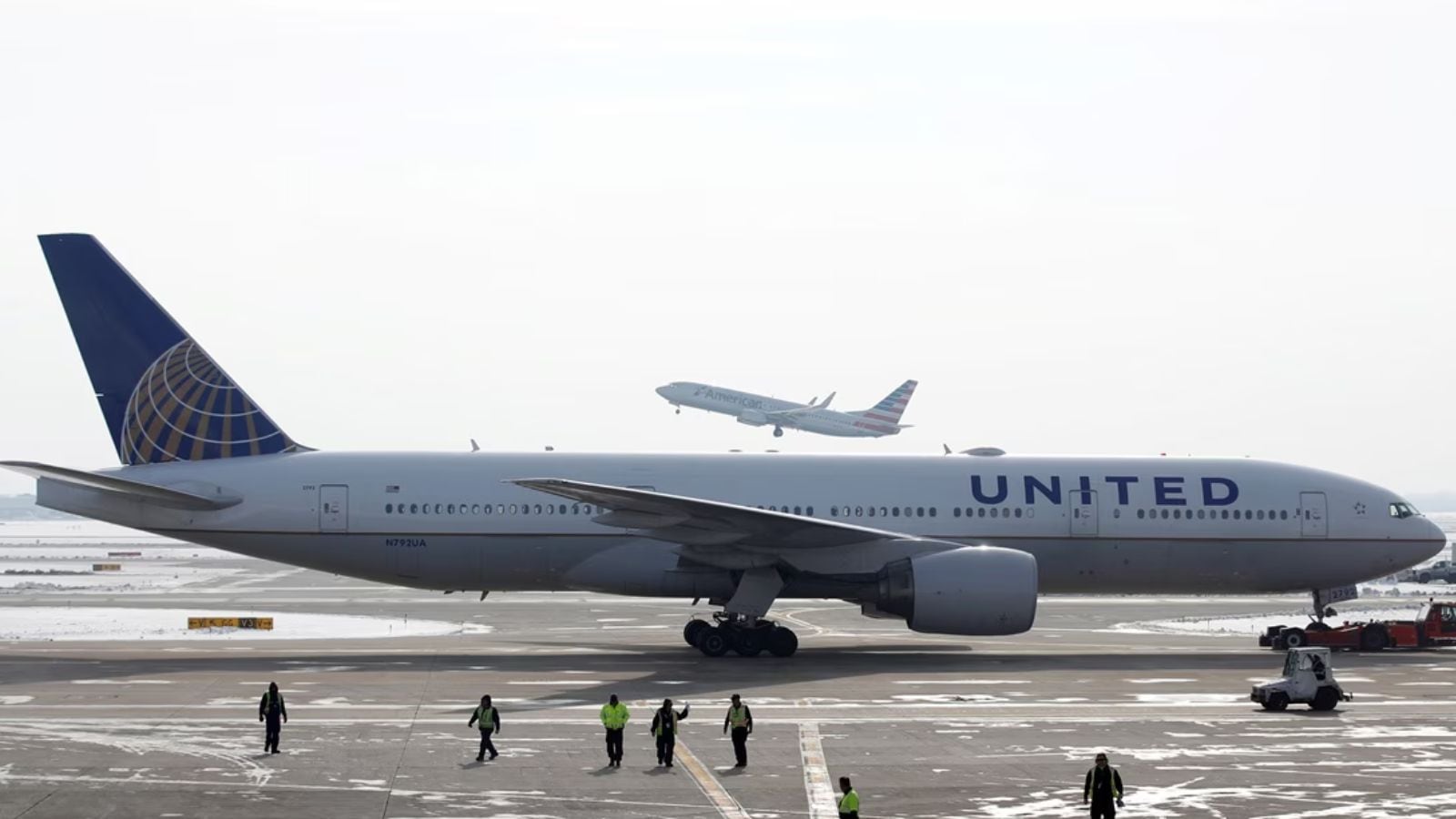
A United Airlines flight recently ended up somewhere the passengers didn’t plan. Flight 1653, traveling from Newark to Chicago, had to make an emergency diversion to Cleveland. Why? A passenger tried to breach the cockpit.
It sounds like a movie script. It isn't. It's a real-world nightmare that flight crews face with alarming frequency. When someone goes wild at 35,000 feet, there is no calling the cops. The crew is on their own until the wheels touch the ground.
Mainstream news outlets love to run these stories with sensational headlines. They give you the raw shock value. They tell you a plane diverted, a guy yelled, and handcuffs came out. Then they move on. They don't explain the actual mechanics of aviation security or what happens behind that reinforced door when chaos erupts in the cabin. Let's look at what really went down on that Boeing 737 and why cockpit security is a lot tighter—and more complicated—than you think.
The Reality of Flight 1653 and the Cleveland Diversion
The trouble started mid-flight. According to eyewitness accounts and airline statements, a male passenger became aggressive. He walked up the aisle toward the front of the aircraft. He didn’t just wander into the galley to ask for extra pretzels. He made a direct, aggressive run at the flight deck door.
Flight attendants jumped into action. They are trained for this. They blocked his path. Several passengers stood up to help. Together, they tackled the man and restrained him. The pilots immediately notified air traffic control of a Level 4 security threat—the highest level, indicating an attempted breach of the flight deck.
The pilots did exactly what their manuals dictate. They got the plane on the ground at the nearest suitable airport. That was Cleveland Hopkins International Airport.
Law enforcement officers flooded the tarmac. They boarded the plane the second it stopped and dragged the guy off in zip ties. The remaining passengers sat on the tarmac, stressed and delayed, waiting for the airline to clear the plane for departure again. United eventually got everyone to Chicago, but the incident left a lot of people asking how this still happens in an era of intense airport screening.
The Post 9 11 Security Barrier is Nearly Bulletproof
People wonder how anyone expects to get through a modern cockpit door. You can't just kick it down.
After the 2001 terrorist attacks, the Federal Aviation Administration mandated that all commercial aircraft operating in the US install reinforced flight deck doors. These aren't standard doors. They are heavily armored. They can withstand ballistic fire and grenade fragmentation. They lock automatically and stay locked throughout the flight.
The system relies on a strict access protocol.
- The door remains locked at all times.
- Pilots use a video monitoring system to see who is outside before opening it.
- If a pilot needs to use the restroom, a strict secondary barrier protocol applies.
Flight attendants will block the aisle with a galley cart or a secondary wire barrier before the door opens. One crew member enters the cockpit while the pilot steps out. The door is never left undefended for even a split second.
When a passenger runs toward the cockpit, they are running into a literal wall of steel and composite materials. They aren't getting in. The danger isn't that they will successfully take over the plane. The danger is the chaos they cause in the cabin and the potential injury to flight attendants and passengers who have to subdue them.
Why Passenger Aggression is Skyrocketing
The Federal Aviation Administration tracks these events closely. Unruly passenger reports spiked drastically during the pandemic, driven by mask mandates. You might think things went back to normal after those rules dropped. They didn't. The baseline numbers for mid-air disruptions remain significantly higher than they were a decade ago.
Alcohol plays a massive role. People chug drinks at the airport bar because they are stressed. Then they get on the plane, and the cabin altitude intensifies the effects of the booze.
Anxiety is another factor. Flying sucks right now. Seats are smaller. Bins are crowded. Delays are frequent. When you pack stressed, dehydrated, potentially intoxicated people into a tight aluminum tube, some of them snap.
The legal consequences for this behavior are brutal. The FAA doesn't have criminal jurisdiction, but they can hit violators with civil fines up to $37,000 per violation. A single meltdown can cost you a fortune.
Worse, the Department of Justice steps in for cockpit attempts. Interfering with a flight crew is a federal felony. It carries a maximum sentence of 20 years in federal prison. The guy on United Flight 1653 isn't just looking at a banned airline account. He is looking at serious prison time.
How Flight Crews Handle a High Altitude Crisis
Flight attendants are often viewed as customer service reps who hand out drinks. That is a dangerous misunderstanding. They are safety professionals first.
Every year, flight crews undergo rigorous recurrent training. They practice hand-to-hand combat, de-escalation techniques, and restraint procedures. They carry zip ties—formal plastic flex-cuffs—in the cabin.
When a passenger breaches the space near the cockpit, the crew uses a color-coded threat level system.
- Level 1: Disruptive behavior (verbal abuse).
- Level 2: Physical abusive behavior.
- Level 3: Life-threatening behavior or weapon display.
- Level 4: Attempted or actual breach of the flight deck.
The moment a situation hits Level 4, all politeness ends. The crew will use any force necessary to neutralize the threat. They will use heavy galley coffee pots, seat belt extensions, or their bare fists. They are authorized to defend that door with their lives because if the cockpit is compromised, everyone dies.
Passengers often intervene, as they did on Flight 1653. Ever since 9 11, the psychology of air travel changed. Passengers no longer sit quietly and wait for a hijacking to play out. They know the stakes. If someone tries to storm the front of the plane, the crowd will usually take them down before the flight attendants even get there.
What You Need to Do If You Witness an In-Flight Attack
If you find yourself on a flight where a passenger starts acting crazy, you need to know how to react. Sitting frozen can get people hurt.
First, let the professionals do their job. Don't jump into the fray unless the flight attendants are overwhelmed or actively calling for help. You don't want to create more confusion in a tight aisle.
Second, if the crew needs help, move fast and commit. Use your weight to pin the individual. Do not try to reason with someone who is having a psychotic break or is severely intoxicated. Focus on securing their limbs.
Third, watch for the crew's signals. If they bring out the flex-cuffs, help hold the person still so they can secure the wrists behind the back.
Finally, stay in your seat once the individual is restrained. The pilots will be executing a rapid descent to the nearest airport. The cabin environment will become intense. The plane will tilt sharply as the pilots execute high-speed turns to get on the ground. Fasten your seat belt tightly and prepare for a bumpy, fast landing.
Air travel remains incredibly safe, but human behavior is unpredictable. Knowing the reality of aviation security helps you stay calm when things go wrong. Trust the door, trust the crew, and be ready to move if the situation demands it.