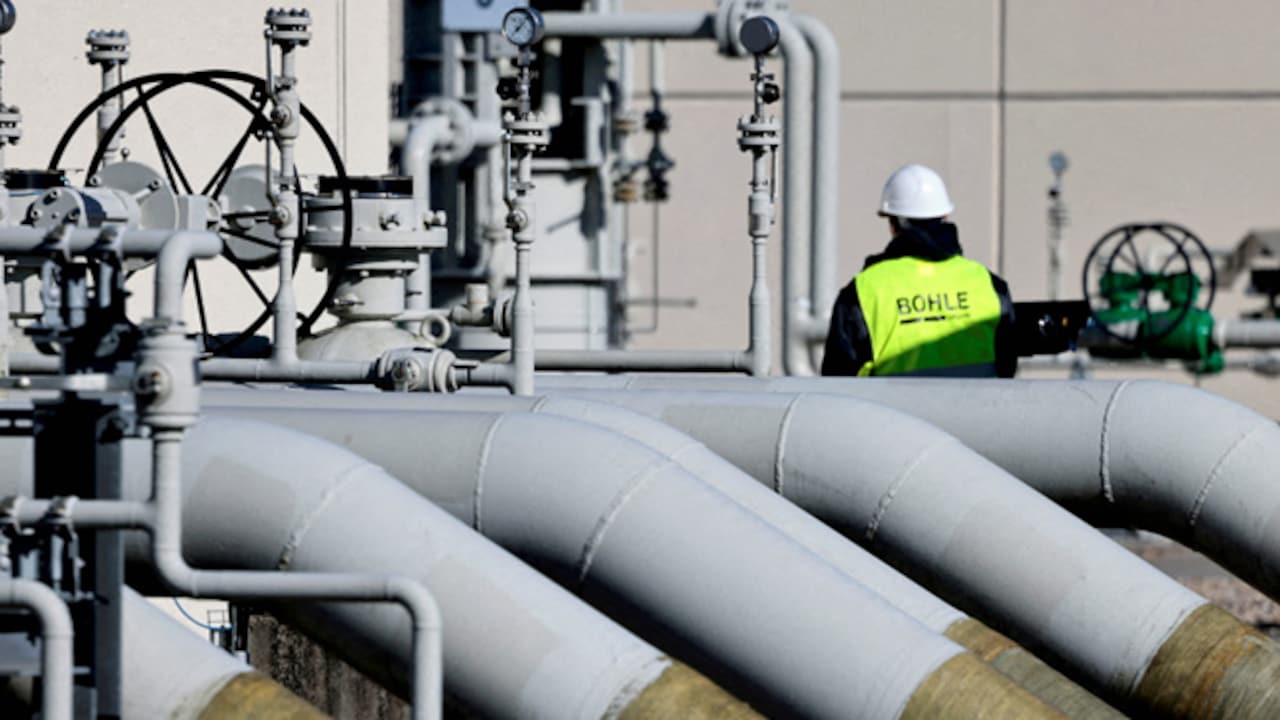
The mystery surrounding the Baltic Sea explosions just got real. For nearly four years, the world wondered who actually blew up the Nord Stream gas pipelines. Speculation ran wild. Some blamed Russia. Others blamed the US. Now, German federal prosecutors have made their move, formally charging a Ukrainian national named Serhii K. for leading the sabotage team.
This isn't just another legal update. It's a massive geopolitical bomb.
If you think this is a simple criminal trial, you're missing the bigger picture. German investigators allege that Serhii K., a former Ukrainian soldier, commanded the operation from a rented sailing yacht named Andromeda. They aren't just charging him with property damage. They are accusing him of committing a war crime by targeting critical civilian energy infrastructure. The implications for international relations are staggering.
The Andromeda Plot Uncovered by Investigators
The details reading like a Hollywood script turned out to be real. Prosecutors say a seven-person crew set sail in the late summer of 2022. The team included a skipper, four deep-sea divers, an explosives expert, and a coordinator. Serhii K. was allegedly that coordinator.
They used the Andromeda as a floating base. This wasn't a massive navy vessel. It was a modest sailing yacht. Divers went down roughly 80 meters into the Baltic Sea near Denmark's Bornholm island. They attached explosives made of a hexogen and octogen mixture directly to the pipes. On September 26, 2022, those charges blew three pipeline strings apart.
How did investigators catch him? Hard tracking and sloppy mistakes. Polish border control records placed the suspects in the area. More shockingly, the suspect reportedly incriminated himself. While held in Italy awaiting extradition last year, he discussed the attacks during phone calls with relatives. German authorities also pulled incriminating data straight from his mobile phone.
Berlin Caught in a Geopolitical Nightmare
The timing of this trial couldn't be worse for international diplomacy. Germany has been one of Ukraine's biggest financial and military backers since the 2022 invasion. Now, German courts are preparing to try a Ukrainian military veteran for destroying the very infrastructure that kept Germany's economy humming.
It creates a massive headache for Chancellor Olaf Scholz. He can't interfere with the independent judiciary. The trial will happen this fall at the Hanseatic Higher Regional Court in Hamburg. The public will see the evidence. They will hear how a Ukrainian team allegedly crippled Germany's energy security, sparking a massive inflation crisis that hit regular citizens hard.
The Ukrainian government has consistently denied any official involvement in the sabotage. Some intelligence reports hint that the operation was authorized by high-ranking military officials without the knowledge of President Volodymyr Zelenskyy. True or not, the political fallout will be brutal.
What Happens When the Trial Begins This Fall
Do not expect this trial to be quiet. Defense lawyers for Serhii K. have already confirmed the charges but are maintaining his innocence. The legal battle will center on the classification of the act. Labeling the destruction of a pipeline a war crime under international law sets a heavy precedent.
Public opinion in Germany is already fractured. Seeing the details of the attack laid out in open court will likely fuel opposition groups who want to halt aid to Ukraine. Investigators are still hunting for the other six crew members, including the divers. One suspect previously slipped through the net in Poland when a local court denied a German extradition request.
The courtroom drama in Hamburg will force European leaders to confront an uncomfortable truth. The sabotage wasn't a corporate dispute. It was state-level economic warfare, and the culprit might have been an ally. Watch the evidence closely when the proceedings kick off. The legal verdict will be important, but the political wreckage left in its wake will shape European policy for years.