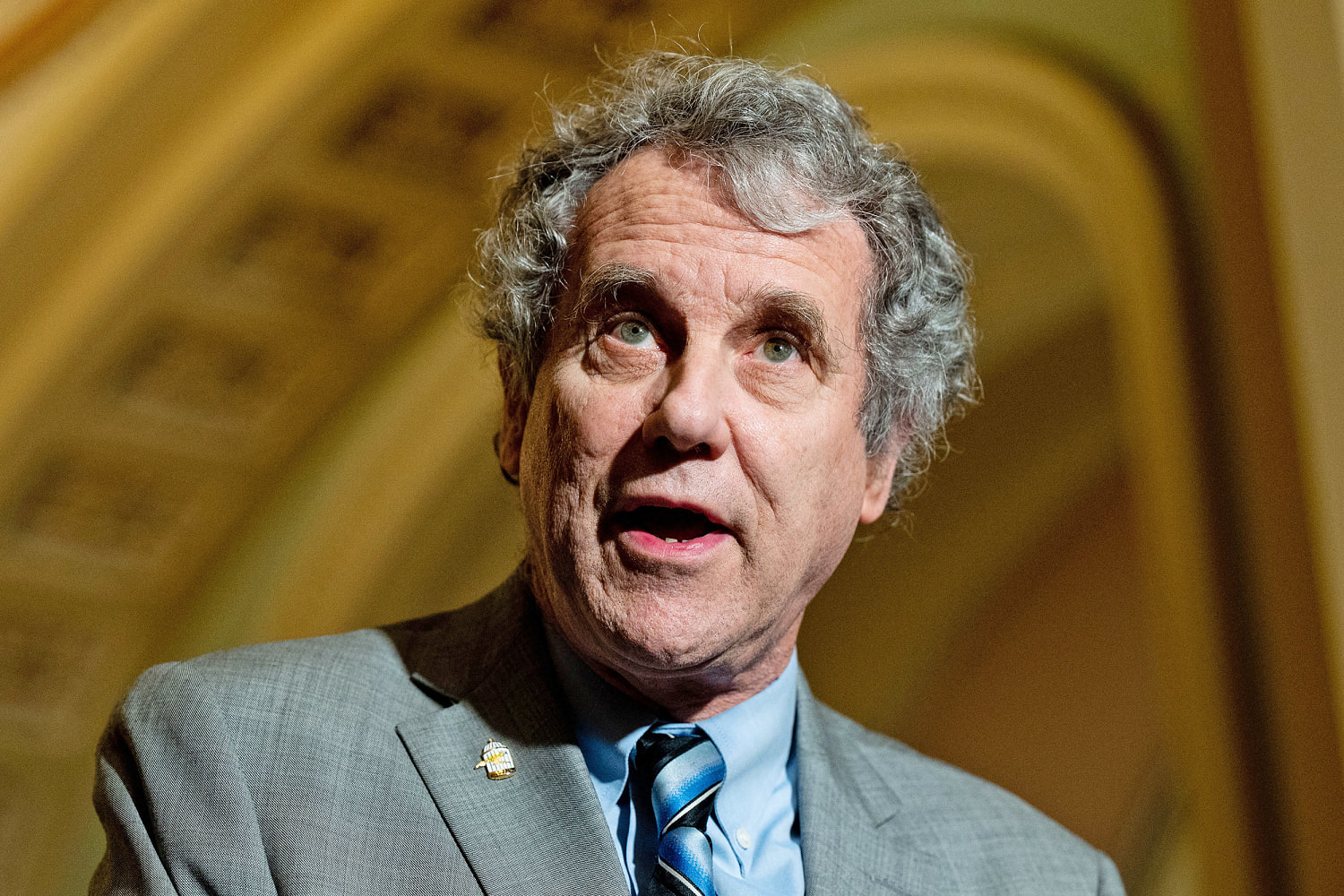
Sherrod Brown didn’t lose his Senate seat in 2024 because he ran a bad campaign. He lost because Ohio has fundamentally changed. When the dust settled on that record-breaking $483 million race, Republican Bernie Moreno stood as the victor, helped by an 11-point surge for the top of the GOP ticket. Now, just two years later, Brown is back. He’s secured the Democratic nomination for the 2026 special election to reclaim a seat in the chamber he called home for nearly two decades.
This isn’t just a rerun. It’s a desperate gamble by a party that’s been locked out of Ohio’s statewide offices for years. You’re looking at a state that was once the ultimate national bellwether but now looks more like a deep-red fortress. Brown’s win in the primary was expected—he ran with the weight of a legacy and a massive war chest—but the road to November is paved with the same debris that tripped him up last time.
The blue collar whisperer faces a red wall
For years, Brown’s brand was "Dignity of Work." It’s a populist, pro-union message that allowed him to win in counties where other Democrats got crushed. He’s the guy who wears the union-made suits and talks about overtime pay while others talk about culture wars. But in 2024, that wasn't enough. Despite outperforming the Democratic presidential ticket by about 7.6 points, he still came up short.
Bernie Moreno’s victory was fueled by eight specific counties in Northern Ohio—places like Mahoning and Trumbull—that used to be the bedrock of the Democratic Party. These are blue-collar, industrial hubs. If Brown can't flip these back, his 2026 comeback is dead on arrival. Honestly, it's a tall order. The GOP hasn't just won these voters; they’ve transformed their identity.
The 2026 special election exists because of a massive shuffle in Ohio power. When JD Vance became Vice President, it triggered a vacancy. Jon Husted, the former Lieutenant Governor, was appointed to the seat and is now the man Brown has to unseat. Unlike Moreno, who was a political newcomer and former car dealer, Husted is a seasoned operative with deep roots in the state’s political machine.
Money won’t buy back the Rust Belt
If you think pouring more cash into TV ads will fix this, you haven't been paying attention to the 2024 numbers. That race was the most expensive Senate contest in American history. Nearly half a billion dollars bought a lot of noise, but it didn't change the underlying math. Ohio’s electorate is older, more rural, and increasingly skeptical of anything coming out of Washington.
- Turnout is the only metric that matters. In 2024, turnout in Cleveland’s Cuyahoga County was 63%, which sounds okay until you realize the statewide average was 71%.
- The "Three Cs" are failing. Democrats need massive margins in Cleveland, Columbus, and Cincinnati to win. They aren't getting them.
- The Trump factor remains. Even with Trump off the ballot in 2026, his endorsement still acts as a golden ticket in the Ohio GOP primary.
Brown’s strategy for 2026 is basically "more of the same, but louder." He’s leaning into his record on the Banking and Finance committees. He’s reminding voters about his "Buy America" provisions in the 2021 Infrastructure Bill. It’s a resume that should work in a factory town, yet the voters there seem more interested in the GOP’s stance on immigration and the economy.
Why Husted is a different beast
Running against Jon Husted isn't like running against Bernie Moreno. Moreno had a paper trail from his business days and past comments about Trump that the Brown campaign used to paint him as a flip-flopper. Husted is a career politician. He’s disciplined. He’s also backed by the Senate Leadership Fund, which has already earmarked $79 million to protect this seat.
The GOP is betting that the 2024 results weren't a fluke. They see Ohio as a state where the Democratic brand is simply "in crisis." Even a candidate as well-known as Brown, who has a 100% name ID, struggled to overcome the "D" next to his name in the rural parts of the state.
Can Sherrod Brown actually win this time
It’s easy to look at the 2024 loss and say it’s over for Brown. But 2026 is a midterm year. Historically, the party in power in the White House loses seats in the midterms. If the national mood shifts against the current administration, Brown could ride a protest wave back into office.
He’s also betting on a split in the GOP. While the MAGA wing is dominant, there’s a quieter, more traditional Republican base in Ohio that might be weary of the constant upheaval. Brown needs those suburban "DeWine voters" to cross the aisle. It's a narrow path. It’s basically a tightrope walk over a pit of red fire.
If you’re watching this race, don’t look at the polls in July. Look at the early voting numbers in the Mahoning Valley in October. That’s where the race lives and dies. If Brown can't reclaim the industrial north, he’s just a ghost of a political era that Ohio has left behind.
Start by checking your own voter registration. If you're in Ohio, the rules around mail-in ballots and ID requirements have tightened since the last time Brown won a full term. Don't assume the process is the same as it was in 2018. Get your documents ready now.