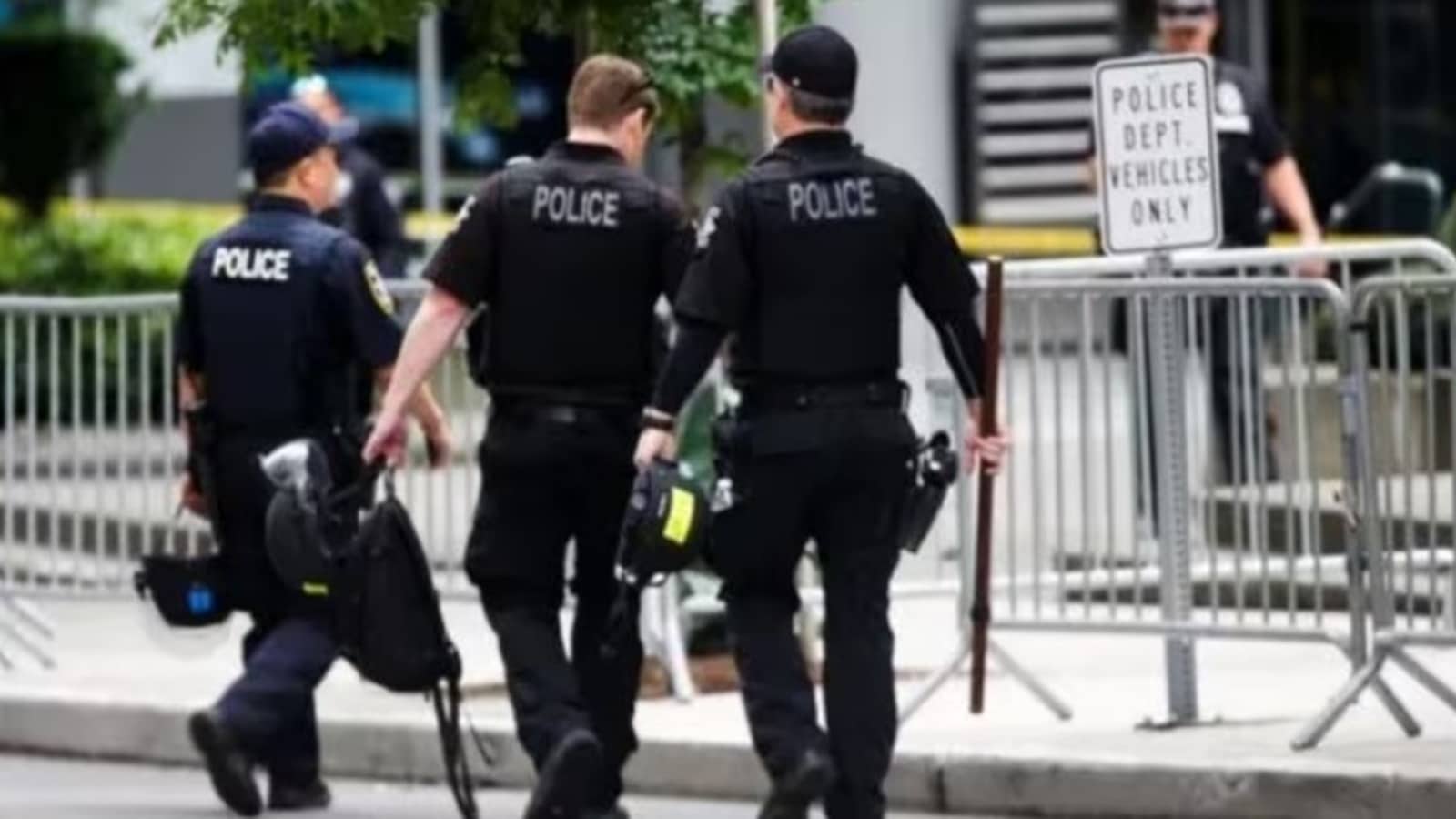
The media has a predictable playbook for church vandalism. When a woman was arrested for decapitating a statue of Jesus at a Long Island parish, the local news feeds instantly filled with a mix of performative outrage, pearl-clutching, and shallow lamentations about the "moral decay of society."
It is lazy journalism. It is lazy thinking.
The immediate consensus frames these incidents as targeted hate crimes or structural spiritual warfare. Everyone rushes to defend the stone and plaster, missing the brutal reality staring them right in the face. A smashed statue is not a metric of rising anti-Christian sentiment. It is a loud, flashing neon sign pointing to a much deeper institutional failure: the total collapse of local community integration and psychiatric safety nets.
If your first reaction to a broken statue is political outrage rather than immediate questions about systemic local neglect, you are looking at the wrong map.
The Idolatry of Material Security
Churches across the country spend thousands of dollars on security cameras, iron gates, and reinforced glass to protect physical property. They treat their sanctuaries like museums. When an incident occurs, the focus shifts to the dollar value of the damage and the criminal charges pressed against the perpetrator.
This reaction stems from a profound misunderstanding of what a parish is supposed to be.
Historically, the church sanctuary was a place of radical asylum. It was open, exposed, and intentionally woven into the chaotic fabric of the local neighborhood. By turning parishes into fortress-like properties that only open for scheduled services, institutions separate themselves from the very people they are meant to serve.
When a vulnerable, severely mentally ill individual wanders onto a church property and commits an act of vandalism, it is not a coordinated ideological assault. It is a failure of proximity. The individual did not see a sacred pillar of the community; they saw an empty, locked building with an outdoor statue.
Investing in better security systems to keep the neighborhood out is the exact opposite of the core mission. It protects the plaster at the expense of the people.
Dismantling the Hate Crime Narrative
Let's address the inevitable "People Also Ask" trend that surfaces every time a religious landmark is defaced: Is church vandalism on the rise due to religious persecution?
The short answer is no. The long answer requires looking at the data without an ideological bias.
According to municipal crime data and psychiatric intake statistics across major metropolitan areas, the vast majority of property damage inflicted on houses of worship is committed by individuals experiencing acute psychological crises, substance temporary psychosis, or transient vagrancy.
Vandalism Motive Breakdown (Typical Suburban/Urban Interface)
┌────────────────────────────────────────┐
│ [████████████████████████░░░░░░░░░] 70%│ Untreated Severe Mental Illness / Crisis
│ [██████░░░░░░░░░░░░░░░░░░░░░░░░░░░] 20%│ Opportunistic Vagrancy / Petty Theft
│ [███░░░░░░░░░░░░░░░░░░░░░░░░░░░░░░] 10%│ Actual Ideological / Targeted Hate
└────────────────────────────────────────┘
To categorize a frantic, disorganized act of destruction by a severely destabilized person as a "hate crime" elevates a clinical tragedy into a culture-war talking point. It serves politicians and media executives, but it does absolutely nothing to fix the actual vulnerability of the community.
When we label these acts as ideological, we absolve ourselves of the responsibility to fund psychiatric beds, mobile crisis units, and assertive community treatment teams. It is far easier to condemn a criminal than it is to build a functioning mental health infrastructure.
The High Cost of Aesthetic Christianity
I have watched historic parishes pour hundreds of thousands of dollars into structural restoration projects—gilding altars, importing European marble, and commissioning custom statuary—while simultaneously cutting budgets for local food pantries, counseling services, and outreach coordinators.
This is aesthetic Christianity, and it is financially and spiritually bankrupt.
When an expensive statue is destroyed, the outrage is often proportional to the replacement cost, not the human cost. If a parish cannot afford to have its outdoor icons damaged by the broken elements of the world, then the parish shouldn't put expensive icons outside.
"A church that values its marble more than its marginal neighbors has already lost its consecration."
The real risk of this contrarian view is clear: it sounds harsh to the donors who write checks for beautiful things. It risks making a property look less pristine. But the status quo—where we treat a broken piece of stone as a societal emergency while stepping over the living, breathing broken people on the sidewalk outside—is a farce.
Redefining the Sanctuary
Stop trying to fix the security perimeter. Stop demanding harsher sentencing for people who clearly belong in a psychiatric ward rather than a jail cell.
If a local church wants to prevent vandalism, the strategy requires shifting from defensive isolation to radical engagement.
- Ditch the Fortress Mentality: Take down the unnecessary physical barriers that signal fear and exclusion to the surrounding neighborhood.
- Redirect the Capital: Take the budget allocated for high-end property surveillance and fund a part-time psychiatric nurse or social worker to interface with the local population.
- Acknowledge the True Liability: The liability isn't that a statue might get broken; the liability is that the community doesn't even know your doors are open until a police cruiser arrives.
When the news coverage fades and the court dates are set, the parish will likely buy a new statue. The insurance company will settle the claim. The parishioners will feel a false sense of closure. And the root cause of the entire incident will remain completely untouched, waiting just outside the iron gates for the next crisis to boil over.