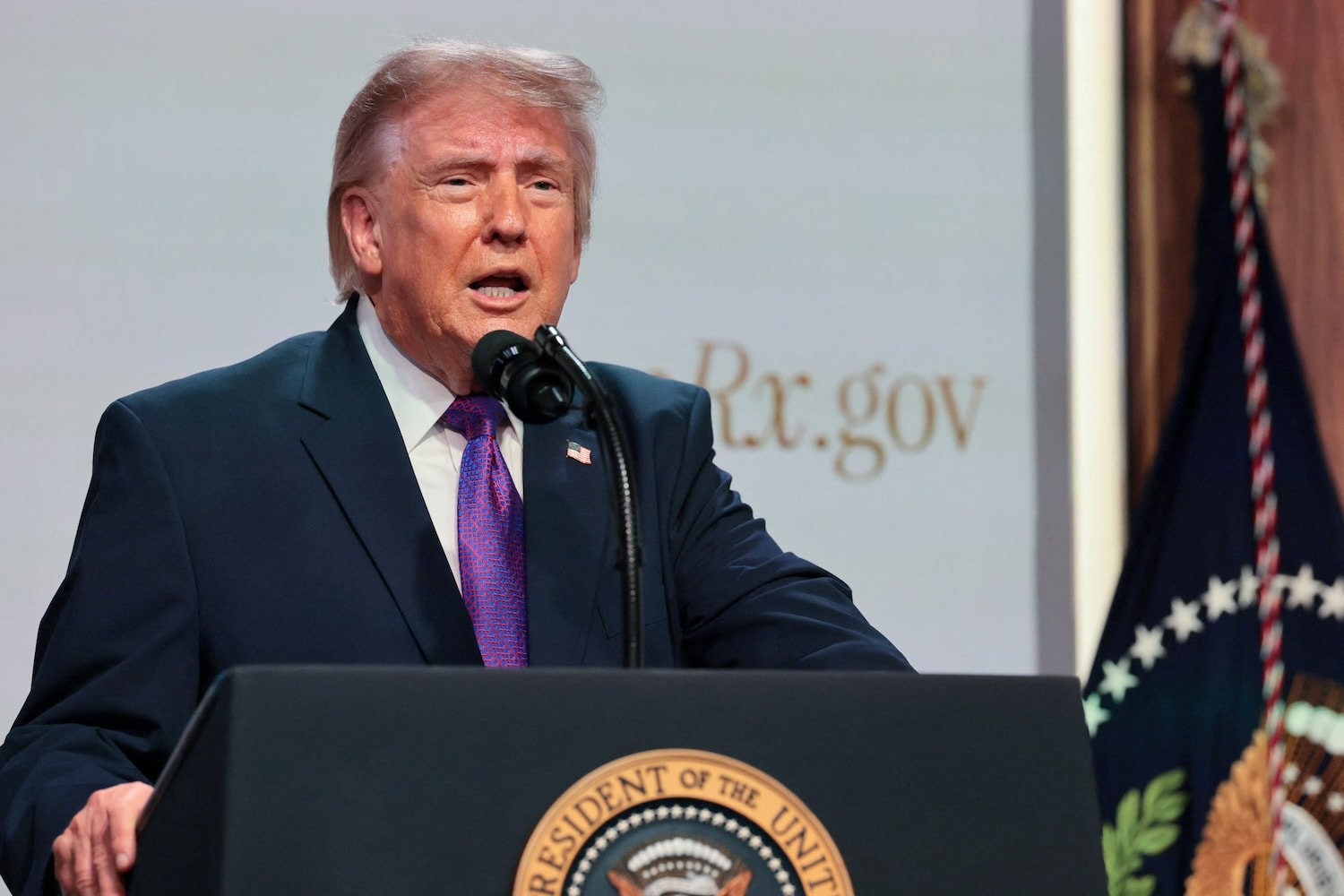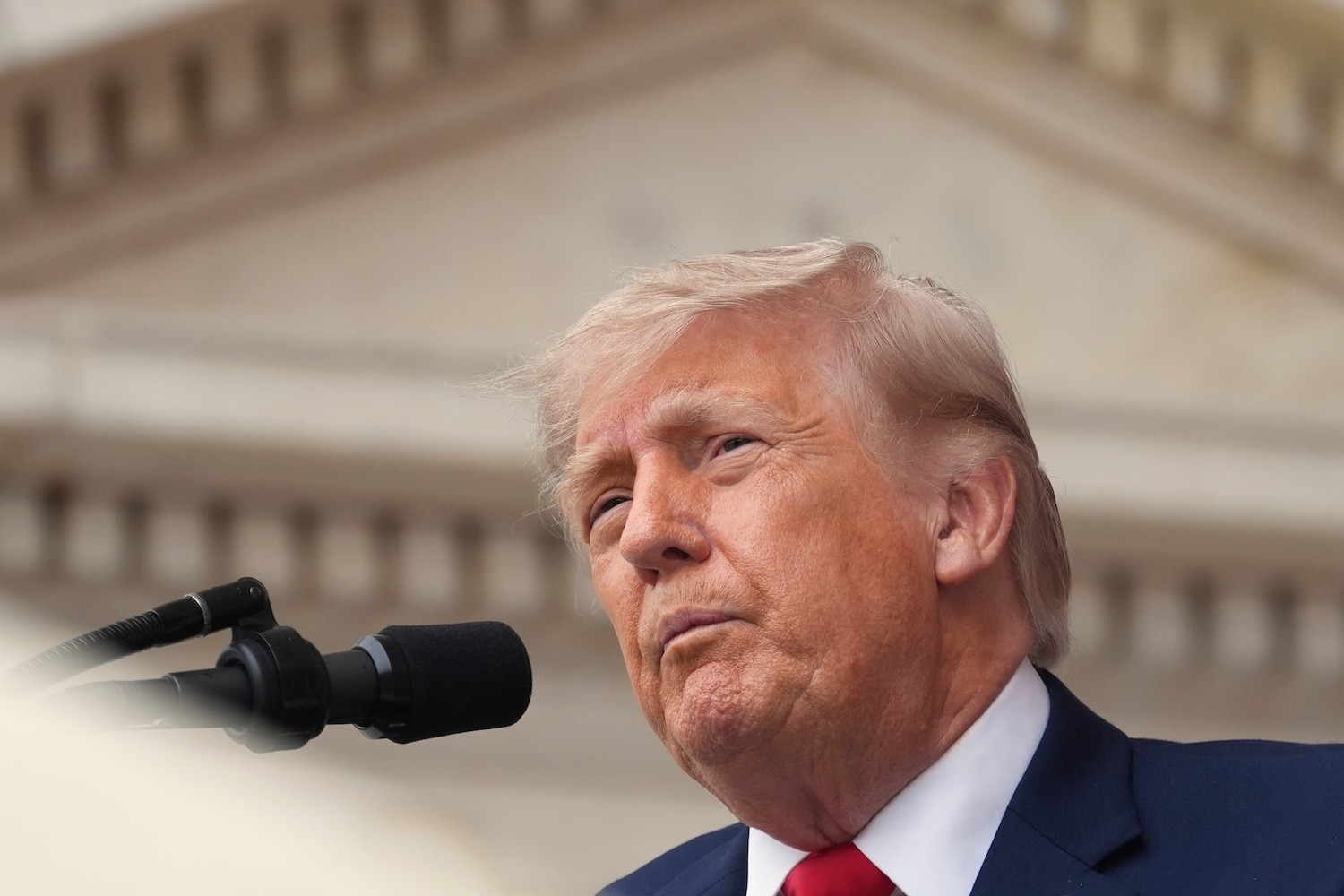
Donald Trump wants you to know he's doing just fine. Better than fine, actually. After rolling out of Walter Reed National Military Medical Center on Tuesday, the 79-year-old president hopped onto Truth Social to declare that his latest six-month physical exam went "PERFECTLY."
No details. No raw lab data. Just a trademark blast of caps-lock reassurance.
But behind the celebratory social media posts lies a different reality. This visit marks Trump's third scheduled medical appointment at Walter Reed in just 13 months, a frequency that has naturally raised eyebrows across Washington. While the White House insists this three-and-a-half-hour visit was nothing more than a routine mixture of annual dental and medical assessments, independent medical experts are looking closely at the physical signs that a controlled press release can't hide.
The Gap Between Perfect and Reality
We have been down this road before with presidential health disclosures. When Trump says everything is perfect, he is operating from a long-standing political playbook. The problem is that a real medical evaluation for a man turning 80 next month is rarely flawless.
White House physician Navy Captain Sean Barbabella has consistently maintained that Trump exhibits excellent physical and cognitive health. He declares him fully fit for duty. Yet independent specialists are increasingly vocal about several visible symptoms that don't quite square with a completely clean bill of health.
Take the bruising on the president's hands, for example. Over the past several months, close-up photographs have repeatedly shown distinct discoloration, despite what critics note is a heavy application of makeup. The White House and Trump himself have offered a couple of different explanations. In January, Trump told The Wall Street Journal that the bruising stems from a heavy daily regimen of aspirin. Meanwhile, press secretary Karoline Leavitt previously blamed the marks on the sheer volume of handshakes required by the office.
Then there's the swelling. Trump's ankles and lower legs have shown visible puffiness, a condition the medical team formally diagnosed last summer as chronic venous insufficiency. This means the veins in his legs struggle to pump blood effectively back up to his heart. While Stanford University cardiovascular professor Dr. Byron Lee notes that the condition itself isn't inherently life-threatening, it is a classic sign of aging that requires regular monitoring and management, which likely explains why these trips to Maryland are happening so often.
Sleeping in the Spotlight
Perhaps the most glaring issue raised by outside experts involves the president's energy levels during daytime events. CNN medical analyst Dr. Jonathan Reiner recently pointed to what he termed severe daytime somnolence. Basically, Trump is falling asleep during the day.
Observers noted moments of visible drowsiness during recent public appearances, including the Memorial Day observances at Arlington National Cemetery. Excessive daytime sleepiness isn't just about being tired from a packed schedule. In older adults, persistent daytime drowsiness can sometimes link up with a higher risk for cognitive decline, cardiovascular stress, and reduced mental sharpness.
What We Actually Know About the Medical Record
If you look past the political spin and focus purely on the documented medical history released since Trump returned to the White House for his second term, the picture is a mix of solid baseline numbers and typical age-related maintenance.
- Weight and BMI: In his detailed April 2025 report, Trump weighed 224 pounds. That was a notable 20-pound drop from his 2020 numbers, bringing his Body Mass Index down to 28.0. It technically keeps him in the overweight category, but it's a clear improvement from previous years.
- Cardiovascular and Internal Health: The same 2025 evaluation showed optimal LDL (bad) cholesterol levels. However, by October 2025, Trump was back at Walter Reed for a follow-up that included a CT scan to assess his cardiovascular and abdominal health. Trump later admitted to the press that he regretted letting the public know about the scan because it fueled health speculation.
- Minor Procedures: The documentation shows routine wear and tear. He has had cataract surgery on both eyes, and a colonoscopy last year revealed diverticulosis and a single benign polyp, prompting a recommendation for a follow-up check in three years.
The Cognitive Test Obsession
You can't talk about a Trump medical exam without talking about cognitive screening. Trump remains deeply obsessed with proving his mental acuity, frequently reminding crowds and cabinet members that he has taken cognitive tests multiple times and "aced" them.
During his first term, Dr. Ronny Jackson famously touted Trump's perfect score on the Montreal Cognitive Assessment. Barbabella confirmed that Trump underwent the same screening during his April 2025 exam with identical results.
But it's vital to understand what these tests actually are. The Montreal Cognitive Assessment isn't an IQ test designed for geniuses. It is a basic screening tool used to detect early signs of dementia or mild cognitive impairment. It involves tasks like identifying an illustration of an elephant, drawing a clock face, and repeating a short list of random numbers backward. Passing it means you don't have major neurological deficits. It doesn't mean you possess supernatural mental sharpness, despite how it gets framed in speeches.
Why the Transparency Debate Matters Right Now
The White House official line is that details from Tuesday's physical will trickle out over the next day or so. Don't hold your breath for a massive document dump. Historically, presidents treat their medical records like state secrets, releasing only what serves the immediate narrative.
With crucial midterm elections looming, the administration's primary goal is to project raw, unyielding strength. Trump is already the oldest person ever to take the presidential oath of office. He knows that his political opponents are watching every stumble, every slurred word, and every heavy eyelid.
When an independent poll from earlier this spring showed that less than half of American adults believe Trump has the physical or mental stamina to serve effectively, these Walter Reed visits cease to be private medical appointments. They become major political theater.
If you are trying to cut through the noise, stop looking for a single definitive answer on whether the president is perfectly healthy or secretly incapacitated. The truth is squarely in the middle. Trump's medical team is clearly managing the standard health challenges of an active, highly stressed octogenarian. They are dealing with circulation issues, managing blood thinners, keeping tabs on heart health, and combating fatigue.
Watch for the official medical summary from Captain Barbabella in the coming days. Don't just scan the headlines for the word "perfect." Look closely at the specific updates regarding his medication list, his blood pressure baselines, and whether the medical team orders any further advanced imaging before the end of the summer.