The mainstream media is treating the escape of a fugitive politician from the Philippine Senate grounds as a simple failure of guard duty. They are focusing on the gunfire. They are demanding to know why the Senate sergeant-at-arms let a high-profile target slip through the gates. They want tighter perimeters, longer suspension lists for the guards, and more security cameras.
They are asking all the wrong questions.
The standard narrative assumes that more guards, heavier locks, and stricter protocols prevent institutional breakdowns. This is a myth. Having spent two decades analyzing security infrastructure and institutional vulnerabilities, I can tell you that the gunfire at the Senate gates wasn’t a breakdown of the system. The system worked exactly as it was designed to. The failure wasn’t tactical; it was structural.
When a fugitive senator walks out of a government building under the noses of armed guards, adding more guards next time is like buying a bigger bucket to fix a broken pipe.
The Myth of the Hard Perimeter
Most people view physical security as a series of concentric circles. You have the outer gate, the building entrance, the secure floor, and the room itself. This is what security experts call static defense. It works beautifully against disorganized mobs or petty thieves. It is utterly useless against institutional insiders.
In any high-security environment, from a government capitol to a corporate server room, the biggest vulnerability is never the lock. It is the authority to bypass the lock.
Consider how political power operates in Manila. A senator is not just an employee; they are a constitutional entity. The guards at the gate do not outrank the people inside the offices. When a high-ranking official, or someone carrying their direct authority, decides to move, the psychological momentum is entirely on their side.
"Static defense mechanisms fail because they assume every threat enters from the outside. They are completely blind to the threat that is already born inside the perimeter."
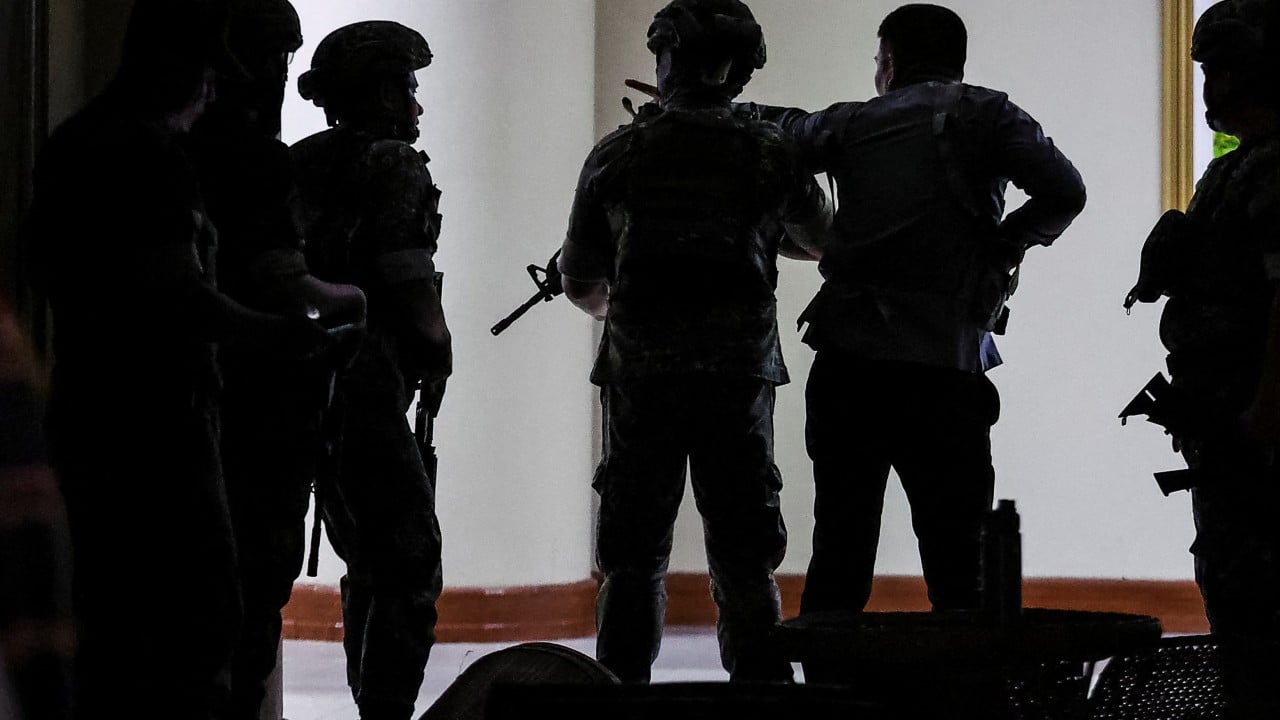
When those Senate guards fired their weapons, they weren't executing a coherent tactical plan. They were reacting to the realization that their authority had been completely bypassed. Firing at a fleeing vehicle inside a crowded institutional compound is a sign of panic, not protocol. It demonstrates a complete collapse of command and control, triggered by the realization that the rules apply to the guards, but rarely to the powerful.
The Compliance Trap
I have watched organizations spend millions of dollars building what they call "unprecedented security frameworks." They mandate logbooks, biometric scans, and multi-layered sign-offs. Then, a senior executive walks through the side door carrying a box of documents, smiles at the guard, and walks right out. The guard doesn't stop them because the guard wants to keep their job.
This is the compliance trap. We build systems that look imposing on paper but rely entirely on low-wage employees enforcing rules against high-status individuals.
- The Illusion of Control: Logbooks and gates create a paper trail of safety while doing nothing to stop a determined insider.
- The Status Asymmetry: A security guard making minimum wage is structurally incapable of arresting a sitting lawmaker without explicit, unambiguous, and immediate backing from the highest level of state power. That backing is almost never present in the heat of the moment.
- The Reactive Response: Organizations respond to these failures by increasing the administrative burden on the people who had nothing to do with the breach, while leaving the structural flaws untouched.
If you think this is unique to Philippine politics, you are blinding yourself. The exact same dynamic plays out in corporate boardrooms and tech infrastructure every single day. The mid-level manager gets fired for a password infraction, while the C-suite executive uses an unsecured personal device to transmit sensitive market data because "it's faster."
Dismantling the PAA Fallacies
The public discourse surrounding these events usually settles into a few predictable, flawed questions. Let’s dismantle them one by one.
How do we prevent high-profile detainees from fleeing secure government facilities?
You don't do it by changing the guards. You do it by changing the custody architecture. A legislative building is designed for public access, political theater, and open debate. It is fundamentally unsuited to act as a detention center.
When the judiciary or the legislature decides to hold an individual of immense wealth and political influence, keeping them in a modified office room is an act of hubris. They possess the resources to buy logistics, information, and silence in real-time. True custody requires an environment where the guards answer to a completely independent chain of command, completely insulated from the political fortunes of the person being held.
Why did the guards fire shots if it was unsafe to do so?
They fired because they were trapped in a broken incentive structure. If they did nothing, they would be accused of complicity. If they fired, they could claim they tried to stop the escape.
In high-stress situations, human beings optimize for self-preservation within their organization. The shots weren't meant to stop the car; they were meant to serve as an alibi for the investigation that everyone knew would follow. This is what happens when you train staff on compliance rather than situational judgment. They act to protect their record, not the perimeter.
The Real Cost of Institutional Theatre
The Senate will likely introduce a new set of rules. They will restrict visitor access. They will add more checkpoints. They will make life significantly more miserable for the journalists, staffers, and citizens who actually need to use the building.
This is institutional theater. It is the illusion of action designed to placate a furious public while leaving the core vulnerability intact. The vulnerability is that power in these spaces is personalized, not institutional. As long as a title or a political network allows an individual to override the physical mechanics of security, the gates are just decoration.
If you want to secure an environment, you must remove the human element of exception. If a gate requires a code, the president of the company must type the code. If a perimeter requires a search, the highest-ranking official must open their bag. The moment you create a class of people who are "too important to be bothered," you have effectively handed them the keys to the entire facility.
Stop looking at the gate where the car broke through. Look at the culture that allowed the car to start moving in the first place.
The next time you review your own organizational security, don't ask if your locks are strong enough. Ask who has the power to tell the guard to open them. That is where your breach will happen.