In the dust-choked borderlands where Pakistan meets Iran, the silence is often louder than the wind. For decades, a ghost has haunted these hills—a massive, theoretical artery of steel known as the Peace Pipeline. It was supposed to carry Iranian natural gas to power-starved Pakistani factories, a lifeline forged in the heat of mutual necessity. But in the high-stakes theater of global diplomacy, the turn of a single page in a Washington office can shutter a valve thousands of miles away.
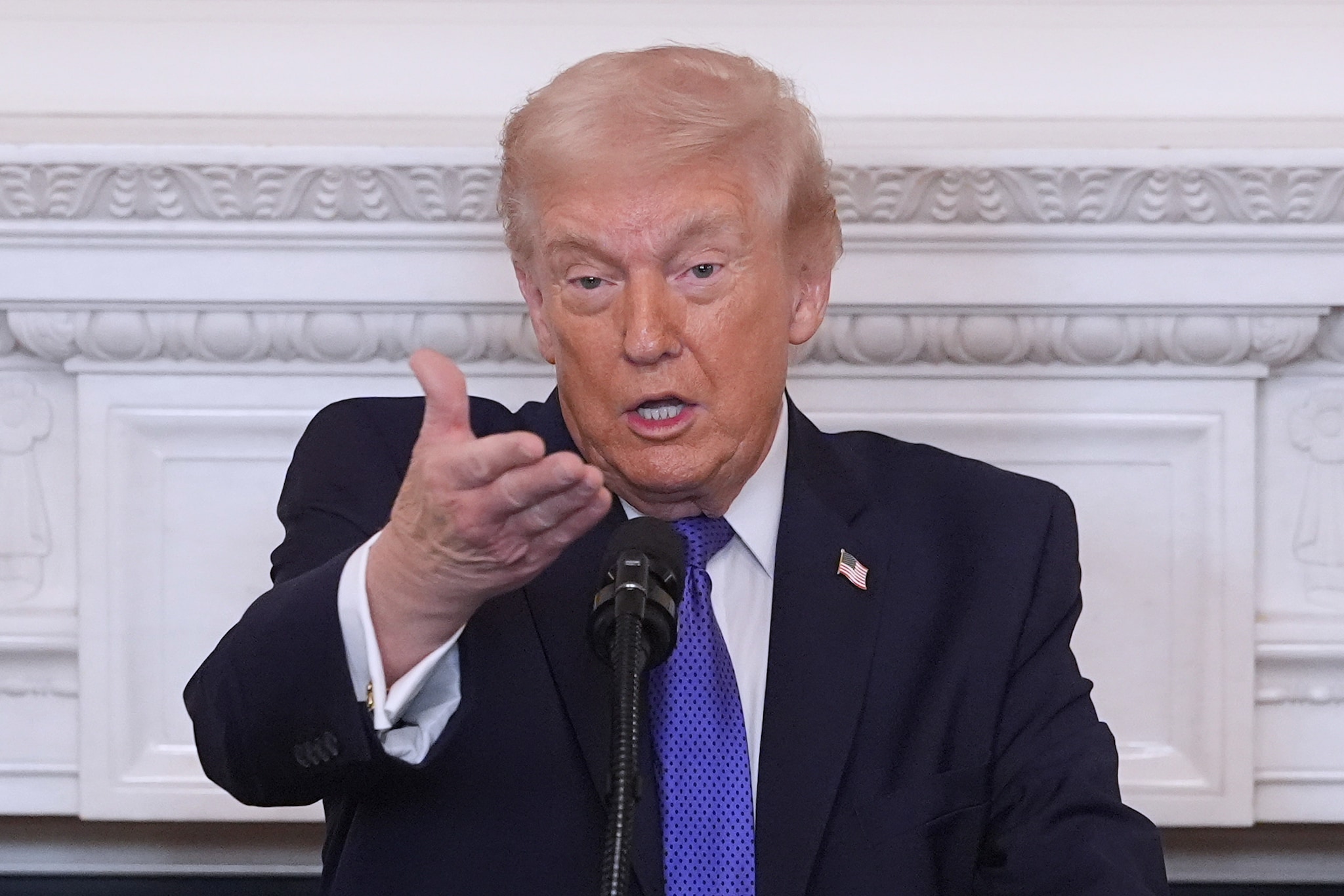
The atmosphere in Islamabad changed the moment Donald Trump’s administration signaled a hard pivot. The directive was clear: the thaw is over. Pakistan, caught between its desperate need for energy and its reliance on Western financial systems, hit the brakes. The talks with Tehran didn't just stall; they evaporated.
The Architect in the Room
Consider Abbas Araghchi. He isn't just a diplomat; he is a veteran of the long game. As Iran’s Foreign Minister, he walks into rooms where the air is already thin with tension. When he speaks of a "workable framework," he isn't just using bureaucratic shorthand. He is describing a survival mechanism.
Araghchi knows the weight of the sanctions. He feels the constriction of the global banking system around his country’s neck like a physical pressure. Yet, he stands before the cameras with a practiced, steely composure. He suggests that despite the pressure from the West—despite the shadow cast by a returning Trump doctrine—there is still a path forward. A way to thread the needle.
But frameworks don't keep the lights on in Karachi.
The Human Cost of Geopolitics
Away from the mahogany tables, the reality is far more visceral. To understand why this matters, look at a small-scale textile manufacturer in Lahore. Let’s call him Omar. Omar doesn’t care about the intricacies of the Joint Comprehensive Plan of Action or the nuances of secondary sanctions. He cares about the "load-shedding"—the scheduled blackouts that kill his machines for six hours every day.
When the gas doesn't flow, the looms stop. When the looms stop, the workers go home without pay. When the workers go home, the local economy withers. For Omar, the cancellation of talks isn't a headline. It is a slow-motion catastrophe. Pakistan’s energy deficit is a gaping wound, and the Iranian pipeline was the promised bandage.
The pressure from Washington isn't just political; it’s existential. If Pakistan defies the U.S. to buy Iranian gas, it risks being cut off from the IMF and the global dollar trade. It’s a choice between freezing today or starving tomorrow.
A Dance on a Razor’s Edge
The Trump approach to Iran has always been one of "maximum pressure." It is a blunt instrument designed to force a collapse or a total capitulation. By pressuring Pakistan to walk away, the U.S. effectively severs one of Iran’s few remaining regional economic outlets.
It is a game of spheres of influence. To the West, it’s about containment. To Iran, it’s about breaking a siege. To Pakistan, it’s about trying to stay upright while two giants collide in their backyard.
Araghchi’s mention of a "workable framework" is a flare sent up in the dark. It’s an admission that the old ways are dead, but a plea that some form of commerce must survive. He is looking for loopholes. He is looking for barter systems, local currency swaps—anything that doesn't trigger the tripwire of a U.S. Treasury department alert.
The Invisible Stakes
We often talk about these events as if they are chess moves. But chess pieces don't bleed.
When a multi-billion dollar infrastructure project is mothballed, it isn't just money that is lost. It is decades of engineering, thousands of potential jobs, and the stability of a region that desperately needs a win. The "Peace Pipeline" was named with a heavy dose of optimism. If trade binds nations together, then the absence of trade leaves them as strangers, or worse, as enemies.
The cancellation reflects a world where bilateral needs are often sacrificed at the altar of global strategy. Pakistan needs the gas. Iran needs the buyers. But the third player in the room holds the ledger, and the ledger says no.
The Weight of the Past
History is a heavy coat in this part of the world. Pakistan has been here before. They have watched empires come and go, watched treaties be signed with fanfare only to be shredded before the ink was dry. There is a profound sense of weariness in the halls of power in Islamabad. They are tired of being the middleman in a feud that isn't theirs.
Yet, they cannot look away. Iran is a neighbor they cannot move. The U.S. is a benefactor they cannot lose.
Araghchi’s "workable framework" might be a ghost of a chance, a thin reed to lean on. It suggests a technical solution to a deeply emotional and political problem. It’s the language of the desperate and the defiant. He is trying to build a bridge with words while the other side is bringing the demolition crew.
The Breaking Point
Rhythm is found in the recurring cycles of these tensions. The surge of hope, the crush of reality.
The factories in Punjab remain dark for longer stretches. The gas prices in Tehran fluctuate wildly as the domestic surplus has nowhere to go. The steel pipes, already laid in some sections, sit in the dirt, slowly oxidizing, becoming monuments to what could have been.
This isn't just a news story about a canceled meeting. It is a story about the limits of sovereignty. It’s about the realization that in a globalized world, your neighbors are decided by geography, but your future is decided by the man behind the desk in a city half a world away.
The talks are dead. The framework is a shadow. The pipeline is a memory.
Somewhere in a quiet office, a bureaucrat checks a box. On the border, the wind picks up, swirling dust over the unused valves, burying the dream of a connected East a little deeper into the sand.