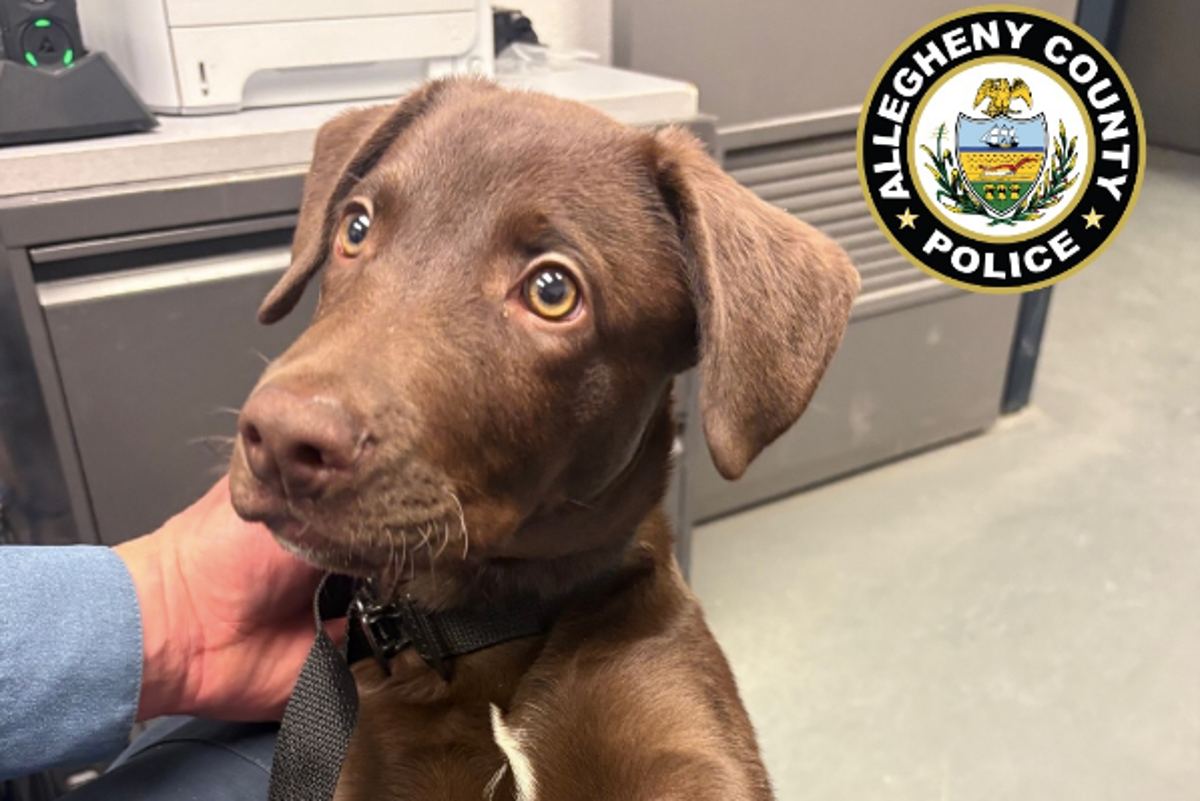
Allison Loustaunau didn't expect to find a seven-pound French Bulldog puppy shivering alone in a stroller at Pittsburgh International Airport. But there it was. Abandoned. Left behind by a man who allegedly decided his flight to a vacation spot was more important than the living creature in his care. This isn't just a sad news story about a cute dog. It's a glaring look at the legal and ethical mess that happens when people treat animals like luggage they can just ditch when the baggage fees get too high.
The man at the center of this, 44-year-old Nicholas Biggs from Texas, now faces multiple charges including animal cruelty and neglect. Police say he left the dog in the departures area because the airline told him the puppy needed a crate to fly. Instead of finding a solution or staying behind, he walked away. He headed for his gate. He left the dog in the cold.
The Legal Reality of Abandoning a Pet in an Airport
When you leave a pet at an airport, you aren't just being a "bad person." You're breaking specific laws that carry real weight. In Pennsylvania, under Title 18 Section 5533, animal neglect occurs when someone fails to provide "necessary care" for an animal. Leaving a puppy in a public terminal without food, water, or supervision fits that bill perfectly.
Biggs was charged by the Allegheny County Police. The charges include a misdemeanor count of animal cruelty and summary counts of animal neglect and abandonment. Most people think "animal cruelty" only means physical abuse. That's a mistake. Neglect is a form of cruelty. Leaving an animal in a high-traffic, stressful environment like an airport departures lane is a direct violation of the law. It’s also incredibly stupid because airports are some of the most surveilled places on Earth. Every inch of Pittsburgh International is covered by cameras.
If you think you can just "oops" your way out of pet abandonment, you're wrong. The police tracked Biggs down relatively quickly. They used security footage and his boarding information. This wasn't a mystery. It was a documented crime.
Why People Think They Can Get Away With This
I’ve seen this pattern before. People treat pets as accessories until those accessories become inconvenient. In this specific case, the puppy wasn't in a proper carrier. Airlines have strict rules. If you show up with a dog and no crate, they won't let you on. It's that simple.
The frustration of missing a flight is real. I get it. Flights are expensive. Vacations are planned months in advance. But the leap from "I'm frustrated" to "I'll just leave my dog here" is a massive moral failure. It also shows a total lack of preparation. Traveling with a pet isn't something you wing. You don't just show up and hope for the best.
Biggs reportedly told police he had "made arrangements" for someone to pick up the dog. The evidence suggests otherwise. The dog was found alone. No one was coming. This "someone is coming" excuse is a classic move for people caught in the act of abandonment. It rarely holds up in court because "arrangements" don't involve leaving a puppy in a stroller by a curb.
The Actual Rules for Flying With Your Pet
If you want to avoid ending up on the evening news for all the wrong reasons, you need to know how pet travel actually works. Every airline has its own "pet policy," but they all follow basic FAA guidelines.
- The Crate is Non-Negotiable: For cabin travel, your pet must fit in a ventilated, leak-proof carrier that fits under the seat in front of you. If the dog is too big for that, it goes in the cargo hold in a heavy-duty, IATA-approved crate.
- Health Certificates: Most airlines and states require a Certificate of Veterinary Inspection (CVI) issued within 10 days of travel. No papers, no flight.
- Advanced Booking: You can't just add a dog at the kiosk. Most planes have a limit on how many animals can be in the cabin (usually 2 to 4). If you don't book your pet's "seat" early, you’re out of luck.
- Fees: Expect to pay anywhere from $95 to $200 each way for a pet in the cabin.
People often try to skirt these rules by claiming their pet is a "Service Animal." Let's be clear. An Emotional Support Animal (ESA) is NOT a Service Animal under the Americans with Disabilities Act (ADA). Airlines stopped recognizing ESAs years ago. Unless your dog is specifically trained to perform tasks for a disability, it's a pet. Trying to fake it at the gate is a recipe for disaster.
What Happens to the Animals Left Behind
In the Pittsburgh case, the puppy—later named "Bruno" by those who cared for him—was taken in by Animal Friends, a local rescue. These organizations are the unsung heroes of these stories. They provide the medical care, food, and stability the animal lost the moment its owner walked away.
Bruno was lucky. He was found quickly. In many cases, abandoned airport pets end up in overcrowded municipal shelters. The trauma of abandonment shouldn't be underestimated. Puppies, especially breeds like French Bulldogs, are prone to respiratory issues and stress. Being left in a noisy airport can have long-term effects on their behavior and health.
The irony here is that Frenchies are incredibly valuable. A puppy like the one Biggs abandoned can cost thousands of dollars. It’s a weirdly cold calculation to dump a high-value animal just to catch a flight to a vacation. It speaks to a disposable culture where even living things are viewed as replaceable assets.
The Fallout for Nicholas Biggs
Beyond the criminal charges, there’s the social and professional fallout. In 2026, your "digital footprint" is permanent. When someone Googles Nicholas Biggs, they won't see his professional achievements first. They'll see the story about the man who ditched his puppy at the airport.
The court system in Pennsylvania takes animal abandonment seriously. While he might not see hard prison time if he has no prior record, he's looking at heavy fines, potential community service, and almost certainly a ban on owning animals for a specific period.
The Allegheny County District Attorney's office has been aggressive in prosecuting these types of cases. They want to send a message. That message is simple. If you can't handle the responsibility of a pet, don't get one. And if you find yourself in a bind at the airport, call a friend, a kennel, or even a local shelter. Don't just walk away.
How to Handle a Travel Emergency With Your Pet
If you're at the airport and realize you can't fly with your pet, you have options. They aren't convenient, but they are legal and humane.
- Call a local boarding facility: Most major airports have kennels nearby. They'll often pick up the pet for a fee.
- Find a "Pet Sitter" app: Apps like Rover or Wag have people who can do emergency pickups. You'll pay a premium, but your dog will be safe.
- Rent a car: If the airline won't take the dog, you don't fly. You rent a car and drive. It ruins your schedule, but you keep your soul.
- Call a local rescue: As a last resort, contact a rescue group. They may not be able to take the dog immediately, but they can advise you on how to surrender the animal legally rather than abandoning it.
Don't be the person the internet hates. Preparation is the only way to travel with a pet. If you haven't confirmed your carrier dimensions and paid your pet fee 48 hours before your flight, you aren't ready to go. The Pittsburgh puppy is safe now, but he shouldn't have been in that position in the first place. Check your airline's specific pet policy right now, even if you don't have a trip planned. Knowing the rules prevents "emergencies" that lead to criminal charges.