America’s political temperature isn't just rising. It’s hitting a flashpoint. You’ve seen the headlines, the jagged social media clips, and the increasingly armored presence at rallies. We’ve reached a stage where physical threats against public officials are basically part of the job description. In 2025 alone, the U.S. Capitol Police investigated nearly 15,000 cases of concerning statements or behaviors. That’s a massive jump from years prior. It’s not just a "fringe" problem anymore. It's a systemic fire, and while the match was lit years ago, the wind is blowing harder than ever in 2026.
The Normalization of the Unthinkable
We used to think of political violence as something that happened elsewhere—in struggling democracies or historical textbooks. Not here. But the data tells a different story. Targeted violence grew by over 30% between 2024 and 2025. We're talking about arson at governors' residences and threats that have tripled against members of Congress.
What’s truly chilling isn't just the acts themselves, but how many people are starting to find them "understandable." When you look at recent studies, a significant chunk of the population believes the country is so far gone that force might be the only way to "save" it. This isn't coming from organized militias in the woods, either. It’s coming from people who don't belong to any formal group. They’re self-radicalizing in their living rooms, fueled by a digital ecosystem that rewards the most extreme take.
The Rhetoric Feed Loop
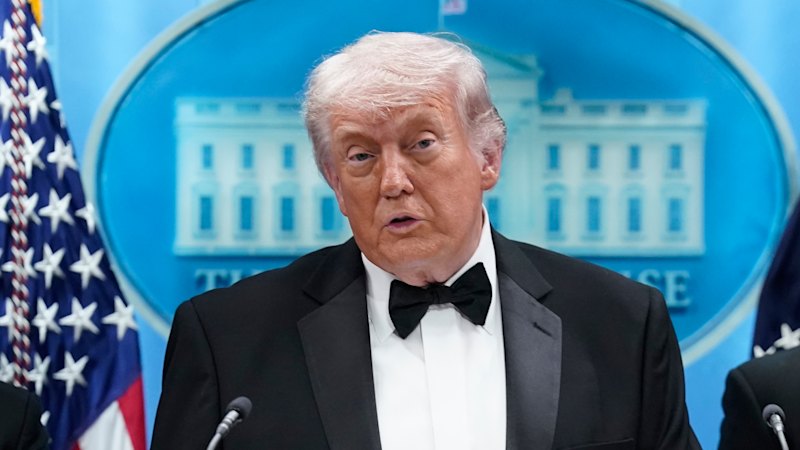
Donald Trump didn’t invent American anger, but he’s certainly learned how to harvest it. Throughout his 2024 campaign and into his current term, his language has remained consistently combative. He doesn't just disagree with opponents; he labels them "vermin" or "threats to the soul of the nation." When a leader uses that kind of dehumanizing language, it gives a green light to the most unstable parts of their base.
It’s a feedback loop. Trump speaks, the internet amplifies, and someone, somewhere, decides it’s time to take matters into their own hands. We saw this with the arson attacks on ballot drop boxes and the surge in threats against election workers. These aren't accidents. They're the predictable results of a narrative that says the system is rigged and the "others" are trying to destroy your way of life.
The Shift in Targets
Interestingly, the violence isn't a one-way street. While right-wing extremism has historically driven more of these incidents, the data from 2025 and early 2026 shows a more chaotic picture. Threats against Republicans actually surged by over 360% in a four-year period, largely driven by the intense vitriol directed at Trump himself.
- Local Officials: School board members and mayors are facing harassment that was once reserved for presidents.
- Poll Workers: Thousands have quit because they don't want to risk their lives for a part-time civic duty.
- The Courts: Judges and prosecutors involved in high-profile political cases now require 24/7 security.
Why Conventional Solutions Are Failing
Most people think the answer is just "better policing" or "more censorship." It’s not that simple. We’re dealing with a "loose" form of violence. Since it’s not coming from a single organization like the Proud Boys—who have actually seen a decline in activity due to 2021-era prosecutions—law enforcement can’t just "bust the ringleader."
The problem is the "ungrouping" of radicalization. It’s a decentralized mess. You’re trying to stop a thousand individual fires rather than one big bonfire. When social media platforms stripped away their guardrails in late 2024, they essentially removed the firebreaks. Now, a single inflammatory post can reach millions of people who are already primed for conflict.
The Cost of Staying Silent
If you think this doesn't affect you because you aren't in politics, you're wrong. This environment creates a "chilling effect" on everything. Good people stop running for office. Normal people stop talking to their neighbors. We start treating every election not as a policy debate, but as a battle for survival.
When survival is at stake, people justify things they’d never consider in a healthy society. We've seen a 77% increase in demonstrations that turn into "No Kings" protests or counter-protests that end in brawls. This isn't just a Trump problem or a Democrat problem. It’s an American problem where the basic "rules of the game" have been tossed out the window.
What Actually Works
We can't just wait for a politician to tone it down. That’s not happening. Instead, the focus has to shift to local resilience.
- De-escalation Training: Community leaders are increasingly using bystander intervention education to stop small scuffles from becoming riots.
- Resource Sharing: Local governments are finally coordinating with federal agencies to protect "soft targets" like ballot boxes and community centers.
- Information Integrity: We need to stop the "outrage machine" by diversifying where we get our news and being skeptical of AI-generated rage-bait.
Don’t expect the national temperature to drop anytime soon. The fire is already burning. The goal now is to make sure your own community has the tools to keep the flames from spreading. Stay informed, but don't let the rhetoric turn you into a participant in the chaos. The most radical thing you can do in 2026 is stay calm and demand accountability from everyone—no matter what hat they're wearing.