Faith and fire-and-brimstone politics just collided in a way we haven't seen in a century. Pope Leo XIV, the first American to ever lead the Catholic Church, just went scorched earth on President Donald Trump’s latest foreign policy threats. When Trump took to social media to warn that a "whole civilization will die tonight," he probably didn't expect the Vatican to hit the "nuclear button" of diplomacy.
The Pope didn't hold back. He called the threat to destroy Iranian infrastructure and cultural identity "truly unacceptable." This isn't just another press release from a religious leader. It’s a direct, unprecedented challenge to a sitting American president from a man who shares his own nationality.
The Night a Civilization Almost Died
On Tuesday, the world held its breath. Trump issued a deadline: reopen the Strait of Hormuz by 8 p.m. or watch the lights go out in Iran forever. He wasn't talking about tactical strikes on military bases. He was talking about bridges, power plants, and the very bones of Iranian society.
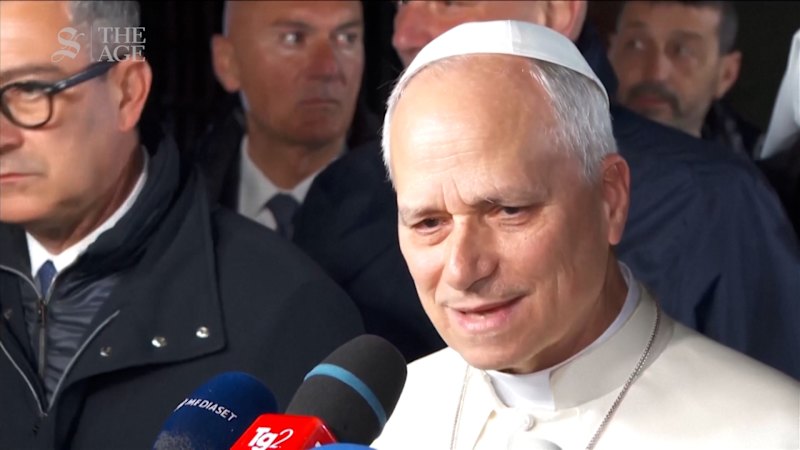
"I don't want that to happen, but it probably will," Trump posted. That single sentence sent shockwaves through Rome. By the time the sun came up at Castel Gandolfo, the Pope was ready to talk. He spoke about the innocent—the children and the elderly—who would be the first to suffer if the "delusion of omnipotence" continued to drive Western policy.
Why This Pope is Different
Usually, the Vatican plays a long, quiet game of "behind-the-scenes" whispering. Not this time. Leo XIV did something Vatican historians say is basically unheard of. He didn't just pray for peace; he told American citizens to call their congressmen.
Think about that. The leader of 1.4 billion Catholics is actively lobbying the U.S. legislative branch.
- He’s American: Leo XIV knows the U.S. political system inside and out. He isn't some distant European academic. He’s a Chicago-born kid who understands how a phone call to a representative can actually move the needle.
- The "Unjust War" Label: By calling the conflict with Iran "unjust," he’s using specific Catholic theology to tell soldiers and citizens that participating in this might actually be a sin.
- The Personal Feud: Trump hasn't taken this lying down. He’s already fired back, calling the Pope "weak on crime" and "terrible for foreign policy."
The Religious Rhetoric War
What makes this situation truly bizarre is how both sides are using God as a mascot. While the Pope quotes Isaiah to tell leaders their "hands are full of blood," the U.S. administration is leaning into Crusade-style language.
Defense Secretary Pete Hegseth recently asked for "overwhelming violence of action" against Iran, even likening military rescues to the resurrection of Christ. To the Vatican, this isn't just bad politics; it’s blasphemy. When Trump claims God is on the side of the U.S. in this war, the Pope is essentially saying, "I represent the Church, and no, He isn't."
What This Means for the Rest of Us
The tension is high because a ceasefire in Pakistan is currently hanging by a thread. While Vice President JD Vance is trying to negotiate a permanent end to the seven-week conflict, the rhetoric coming out of the White House keeps resetting the clock.
If you’re wondering why a religious leader in Italy matters for a war in the Middle East, it’s about the moral high ground. Trump relies on a base that often identifies as deeply religious. When the Pope—especially an American one—labels his threats "unacceptable," it creates a massive crack in that support.
Don't expect the Vatican to go quiet now. Leo XIV has signaled that he’s willing to risk the Church's diplomatic neutrality to prevent what he sees as a humanitarian catastrophe.
If you want to stay ahead of how this affects the 2026 political landscape, keep an eye on the U.S. Conference of Catholic Bishops. They’ve already started echoing the Pope’s hardline stance. You should expect more direct calls for local parishes to organize. This isn't just about Iran anymore; it's a battle for the soul of American religious identity. If you're looking to take action, the Pope’s advice is simple: stop waiting for a miracle and start calling your representatives.