Elena stood at Pump 4, watching the digital readout flicker with the frantic energy of a heartbeat under stress. Five dollars. Six. Seven. The numbers blurred. She wasn't just buying gasoline; she was watching her grocery budget for the week evaporate into a plume of exhaust. Behind her, a line of cars snaked onto the main road, a choir of impatient idling engines and the occasional sharp bark of a horn. This was Tuesday morning in suburban Ohio, but the tremors causing this specific anxiety started six thousand miles away in the humid, salt-sprayed air of the Strait of Hormuz.
The news reports call it a "Consumer Price Index spike." They talk about "energy-driven volatility" and "geopolitical risk premiums." But for Elena, and millions like her, those abstract phrases have a very specific, physical weight. It is the weight of a heavier credit card balance. It is the decision to skip the fresh produce aisle in favor of the canned goods. It is the sudden, sharp realization that our modern lives are tethered by invisible, fraying silk threads to a region of the world most of us will never see.
April brought the heat, and not just the seasonal kind. As the conflict across the Middle East escalated into a full-scale confrontation involving Iranian infrastructure, the global oil market did what it always does when the world catches fire: it panicked.
The Geography of a Receipt
Economists love to treat the economy like a machine, a collection of gears and pulleys where you can predict the output if you know the input. They see a war in the Middle East and plug a new variable into a spreadsheet. The spreadsheet says inflation rose 0.4% in a single month. It sounds clinical. Small. Manageable.
But the economy isn't a machine. It’s a living, breathing ecosystem of human choices. When the price of a barrel of crude oil leaps because a tanker is redirected or a refinery is shuttered by a drone strike, that cost doesn't just sit there. It moves. It crawls into the back of a refrigerated truck carrying milk from a dairy farm to a distribution center. It hitches a ride on the cargo ships bringing shoes from Vietnam and the delivery vans dropping off packages on your porch.
Everything you touch has a "fuel shadow." If you are holding a plastic coffee cup, you are holding a byproduct of the very oil that just became more expensive. If you are eating an apple, you are paying for the diesel that powered the tractor and the truck. In April, that shadow grew long and dark. The Bureau of Labor Statistics reported that while "core" inflation—the stuff that excludes food and energy—remained somewhat stubborn, the "headline" number was dragged upward by a massive 2.8% jump in energy costs.
Think about that jump as a tax that no one voted for. It is a tax levied by geography and gunpowder.
The Ghost in the Warehouse
Consider Marcus, who manages a small regional logistics firm. To Marcus, the April CPI report wasn't a headline; it was a crisis. His fleet of twelve trucks consumes thousands of gallons of diesel a week. When fuel prices surged following the initial strikes on Iranian export terminals, Marcus had to make a choice. He could absorb the cost and watch his margins—the thin slice of profit that pays his mechanics and keeps his lights on—disappear. Or, he could pass it on.
He passed it on. He had to.
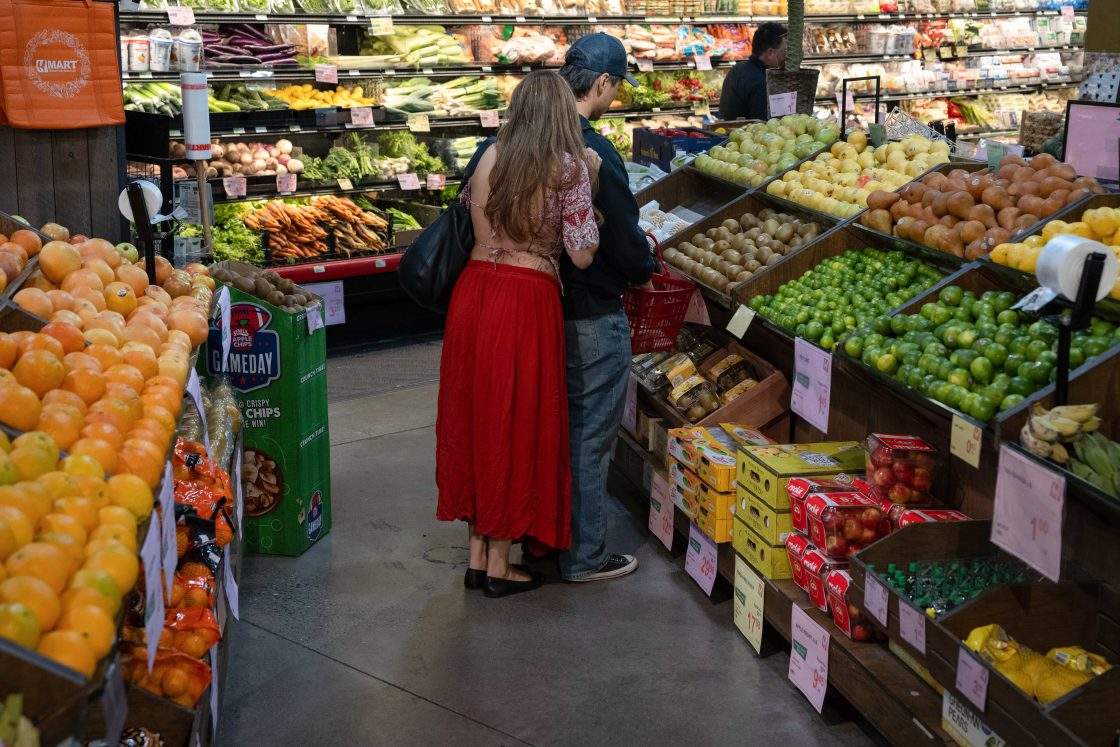
He called his clients—the grocery chains, the hardware stores, the local boutiques—and added a fuel surcharge. Those businesses, already struggling with the lingering effects of the last few years of price hikes, did the only thing they could. They changed the stickers on the shelves.
This is how the "Iran war premium" works its way into your life. You aren't paying for a war when you buy a box of cereal; you’re paying for Marcus’s diesel, which is priced based on the fear that a specific waterway might be closed by a naval blockade. The complexity of our supply chain means that a spark in the desert becomes a fire in your wallet.
The Illusion of Control
For months, the narrative from the Federal Reserve was one of cautious optimism. The "soft landing" was in sight. We were told that the dragon of inflation had been tamed, or at least cornered. But the April data revealed the fundamental flaw in that confidence: we cannot control what we do not own.
The United States produces more oil than any country in history. We are, on paper, energy independent. Yet, the price of a gallon of gas in Peoria is still dictated by the stability of a regime in Tehran or the strategic reserves of a kingdom in Riyadh. This is because oil is a global fungible commodity. If the global supply shrinks by two percent because of a regional war, the price rises everywhere.
We live in a house with a state-of-the-art security system, but the furnace is located in a neighbor’s basement—and that neighbor is currently involved in a heated dispute with the rest of the block.
When the energy component of the CPI moves as violently as it did in April, it ripples through the "services" sector too. Airline tickets become more expensive. Garbage collection fees rise. Even the cost of a haircut might tick up as the salon owner sees their utility bill climb. These are the secondary infections of an energy shock.
The Psychology of the Surge
There is a hidden cost to inflation that doesn't show up in the government tables. It is the cost of "anticipatory anxiety."
When people see the numbers at the gas station rising every single morning, they change their behavior. They stop spending on "discretionary" items. They cancel the weekend trip. They hold onto their old car for another year. This contraction is exactly what the Federal Reserve wants when they raise interest rates—they want to cool the economy—but when the cooling is caused by a geopolitical shock rather than a policy lever, it feels more like a shiver than a breeze.
In April, the "real" wages of Americans—what your paycheck can actually buy—effectively shrank. Even if you got a 3% raise this year, a sudden spike in the cost of living can negate that progress in a matter of weeks. It creates a feeling of running on a treadmill that is slowly being tilted upward. You are working harder, but the scenery isn't changing.
Elena finally finished filling her tank. The total was eighty-two dollars. A month ago, it would have been sixty-five. That seventeen-dollar difference is the "hidden tax" of the conflict. It’s a movie ticket. It’s a new book for her daughter. It’s a small piece of her peace of mind.
The Long Shadow
The tragedy of the April spike isn't just the immediate cost. It is the uncertainty it injects into the future. Central banks rely on "expectations." If people believe inflation is going away, they act in ways that help it go away. But if people believe that every time a headline flashes about a drone over Isfahan, their life is going to get more expensive, they start to bake that inflation into their own demands. They ask for higher wages. They raise their own prices. A temporary spike becomes a permanent floor.
We are currently trapped in a cycle where our economic stability is a hostage to global volatility. The April CPI report was a reminder that we are not an island. We are a node in a vast, interconnected web where a vibration at the edge can cause a collapse at the center.
As Elena drove away from the pump, she didn't think about the Consumer Price Index. She didn't think about the Federal Reserve's 2% target. She thought about the fact that she needed to find a way to make eighty dollars feel like a hundred for the rest of the month. She adjusted her mirrors, merged into traffic, and joined the millions of others navigating a world where the price of living is increasingly dictated by the price of dying in a far-off land.
The numbers on the sign at the gas station didn't change as she left, but the world felt slightly heavier than it had ten minutes ago. The sun was out, the spring air was warm, and the road ahead was clear, but the cost of the journey had just gone up, and no one could say when—or if—it would ever come back down.