The gavel didn’t make a sound that anyone outside the courtroom could hear, but the vibration traveled across the continent. It started in a high-backed chair in Luxembourg and ended in the bank account of a man who believed his pulpit was untouchable.
In the European Court of Human Rights, the air is usually thin, filtered through layers of legal precedent and dry procedural requirements. But this case wasn't about paperwork. It was about the friction between two fundamental human needs: the right to speak one's mind and the right to exist without being targeted by a digital mob.
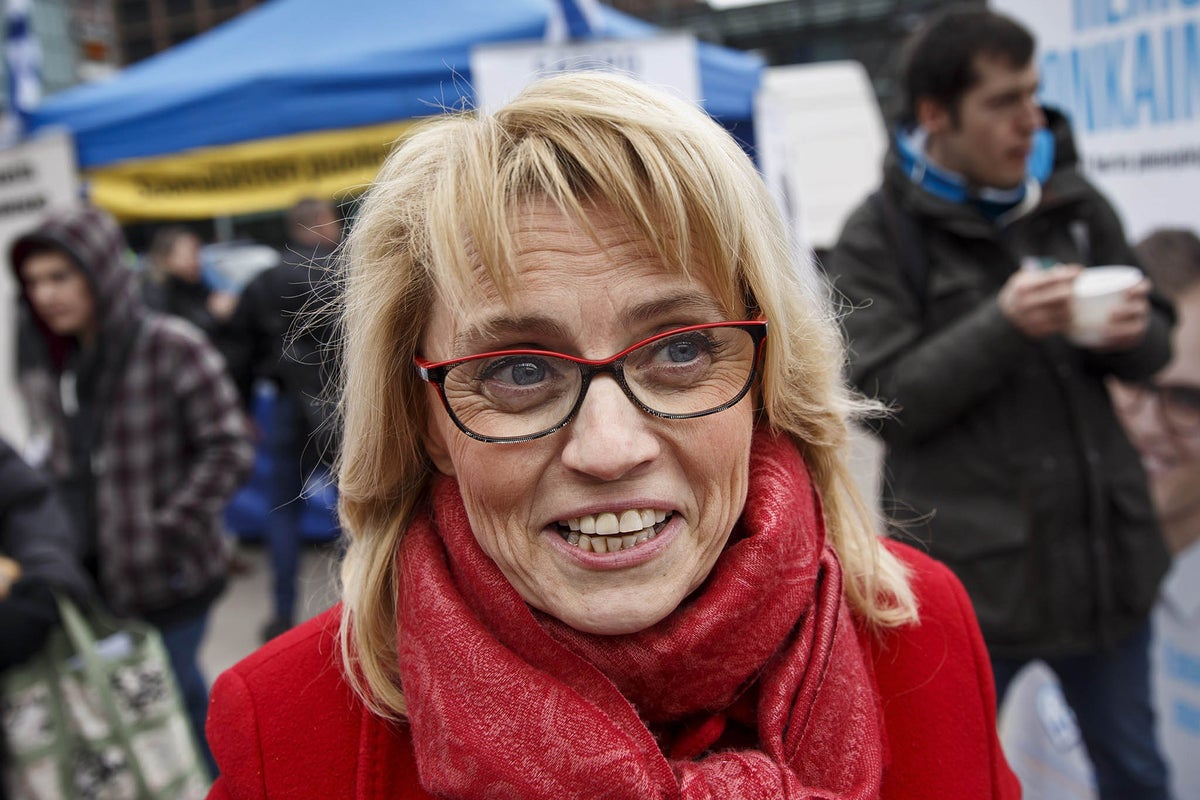
Robert Biedroń, a Polish politician, didn't set out to be a legal landmark. He was simply living his life, navigating the messy, public world of European politics. Then came the words. They weren't whispered in a private room. They were broadcast, amplified, and sharpened into weapons.
Consider a hypothetical teenager in a small town in Eastern Europe, someone like "Marek." Marek spends his evenings scrolling through social media, looking for a sign that the world has a place for him. He sees a high-ranking Member of the European Parliament—a man with titles, influence, and a suit that costs more than Marek’s father makes in a month—comparing people like him to a plague. Or a threat to the "natural order."
When a leader speaks, it isn't just noise. It's permission.
The Supreme Court’s decision to fine the MP wasn't an act of censorship in the vacuum. It was a recognition that in our hyper-connected era, words have a physical weight. They aren't just vibrations in the air; they are the bricks used to build walls or the stones thrown at windows.
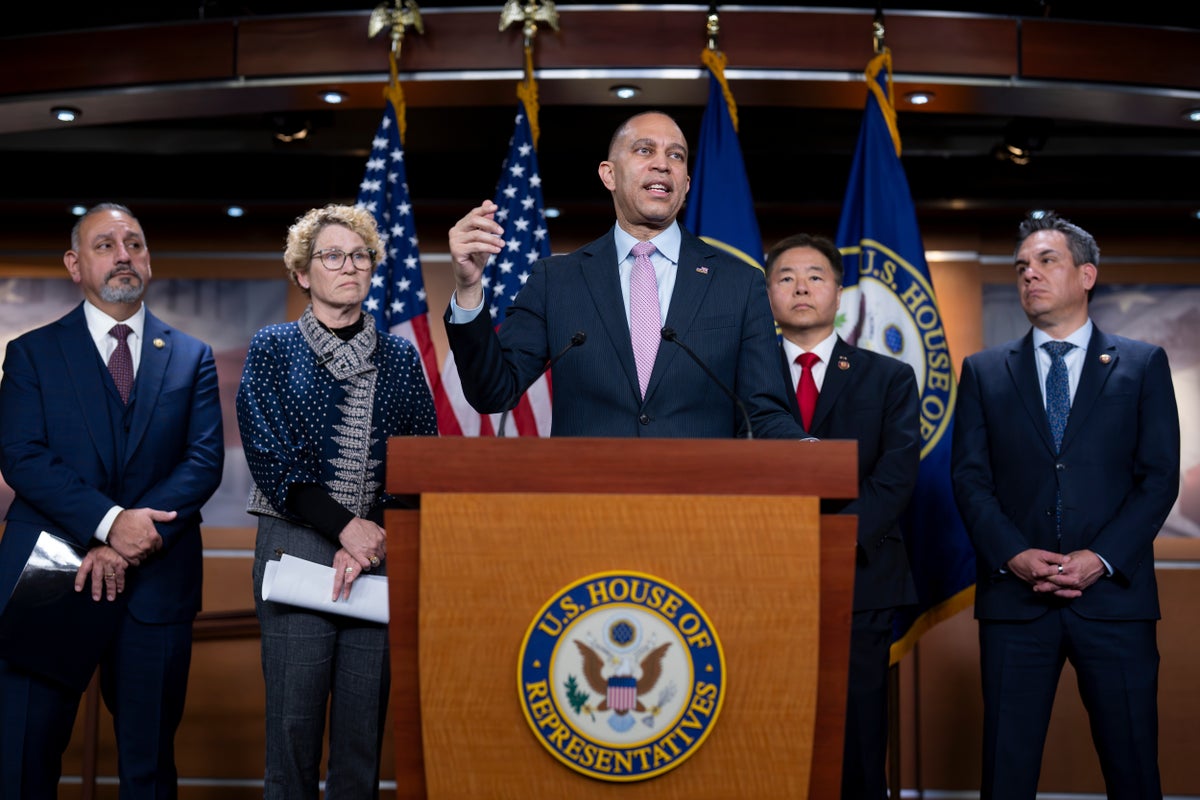
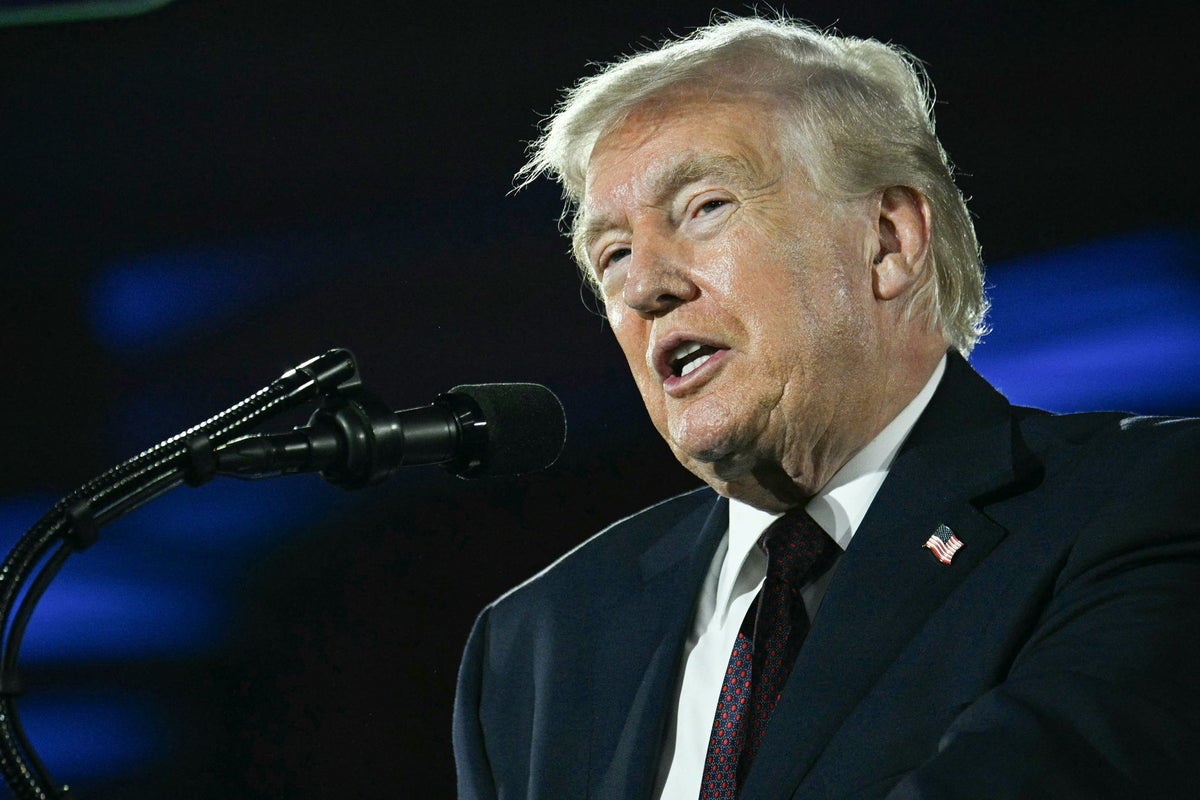
The MP argued that his comments were part of a political debate. He claimed the "sanctity of free speech" as his shield. It’s a powerful argument. We all want the right to be wrong, to be provocative, and to challenge the status quo. Without that, democracy becomes a scripted play.
But the court looked at the scale. On one side sat the MP’s right to use a platform to disparage a minority group. On the other sat the Dignity of a human being.
The Architecture of an Insult
To understand why a fine matters, we have to look at the anatomy of hate speech laws in Europe. They aren't designed to stop you from being a jerk at Thanksgiving dinner. They are designed to prevent the "dehumanization" of specific groups.
When you call a group of people "deviant" or "dangerous" because of who they love, you aren't engaging in a policy debate about tax brackets or infrastructure. You are signaling to the rest of society that these people are "other." Once someone is "othered," it becomes much easier to justify why they shouldn't have the same rights, the same safety, or the same seat at the table.
The legal system in Europe operates on a different frequency than the one in the United States. While the First Amendment offers a nearly absolute shield, the European Convention on Human Rights balances the right to expression against the right to privacy and freedom from discrimination. It’s a tightrope walk.
The MP’s defense was that he was merely expressing his "deeply held convictions."
Convictions are comfortable. They feel like armor. But when your armor has spikes on the outside, everyone you hug gets hurt. The court essentially decided that the MP's "convictions" were being used as a blunt force instrument.
The Digital Echo Chamber
Imagine the courtroom as a quiet, stone-walled chamber. Now, imagine that chamber is connected to a million speakers in a million homes.
When the MP made his comments, he wasn't just talking to a reporter. He was talking to an algorithm. That algorithm doesn't care about nuance. It cares about engagement. "Gay people are a threat" gets more clicks than "I disagree with certain aspects of social policy."
The court had to weigh the impact of this amplification. If a person stands in a forest and screams an insult, the damage is localized. If a person stands on the digital Mount Olympus and screams that same insult, it echoes forever.
The fine imposed wasn't just a punishment for the MP’s wallet. It was a social tax. It was the state saying, "If you want to use our public squares to spread poison, you have to pay for the cleanup."
Some see this as a slippery slope. They worry that today it’s a fine for "homosexuality comments" and tomorrow it’s a fine for criticizing a government’s economic plan. It’s a valid fear. History is littered with examples of "protection" laws being turned into "silencing" laws.
Yet, there is a distinction that the court leaned on heavily: the vulnerability of the target.
Biedroń and the community he represents aren't a massive, faceless government entity. They are a minority group with a documented history of being targeted by violence and exclusion. The law, in this instance, acted as a levee. It wasn't trying to stop the river of speech from flowing; it was trying to keep it from drowning the people living on the banks.
The Invisible Stakes
Why should you care? Maybe you aren't Polish. Maybe you aren't part of the LGBTQ+ community. Maybe you don't even like politics.
You should care because this case defines the boundaries of your digital life. It asks the question: Who is responsible for the fallout of a viral moment?
If a politician can be held accountable for the "climate of intolerance" they create, it changes the incentive structure of leadership. For decades, the loudest, most divisive voices won the most attention. They leveraged outrage to build power. This ruling suggests that the era of "consequence-free outrage" might be hitting a ceiling.
The MP felt the sting of the fine, but the real impact is the precedent. It tells every aspiring populist that while you have the right to speak, you do not have the right to be a protected bully.
There is a specific kind of silence that follows a ruling like this. It’s not the silence of someone who has been gagged. It’s the silence of someone who is finally, for the first time, thinking about the person on the other side of the screen.
Back in that small town, "Marek" sees the news. He sees that the man in the expensive suit was told he was wrong. He sees that the law, for all its coldness and complexity, stood up for his right to walk down the street without being called a plague.
The fine was paid in Euros. The value was delivered in hope.
Justice isn't always a dramatic cinematic moment. Sometimes, it’s just a ledger entry that proves a human being's dignity is worth more than a politician's soundbite. The court didn't change what the MP believed. It just made it very expensive for him to pretend that his words didn't have blood in them.
The glass walls of the court reflect a world that is still trying to figure out how to live together without breaking everything in sight. We are still learning. We are still failing. but every now and then, the gavel falls, and for a brief moment, the air feels a little easier to breathe.
Think about the last time a word changed your day. Now imagine a world where the law finally admitted that words can change a life.
Would you like me to analyze the specific legal precedents from the European Court of Human Rights that were cited in this case?