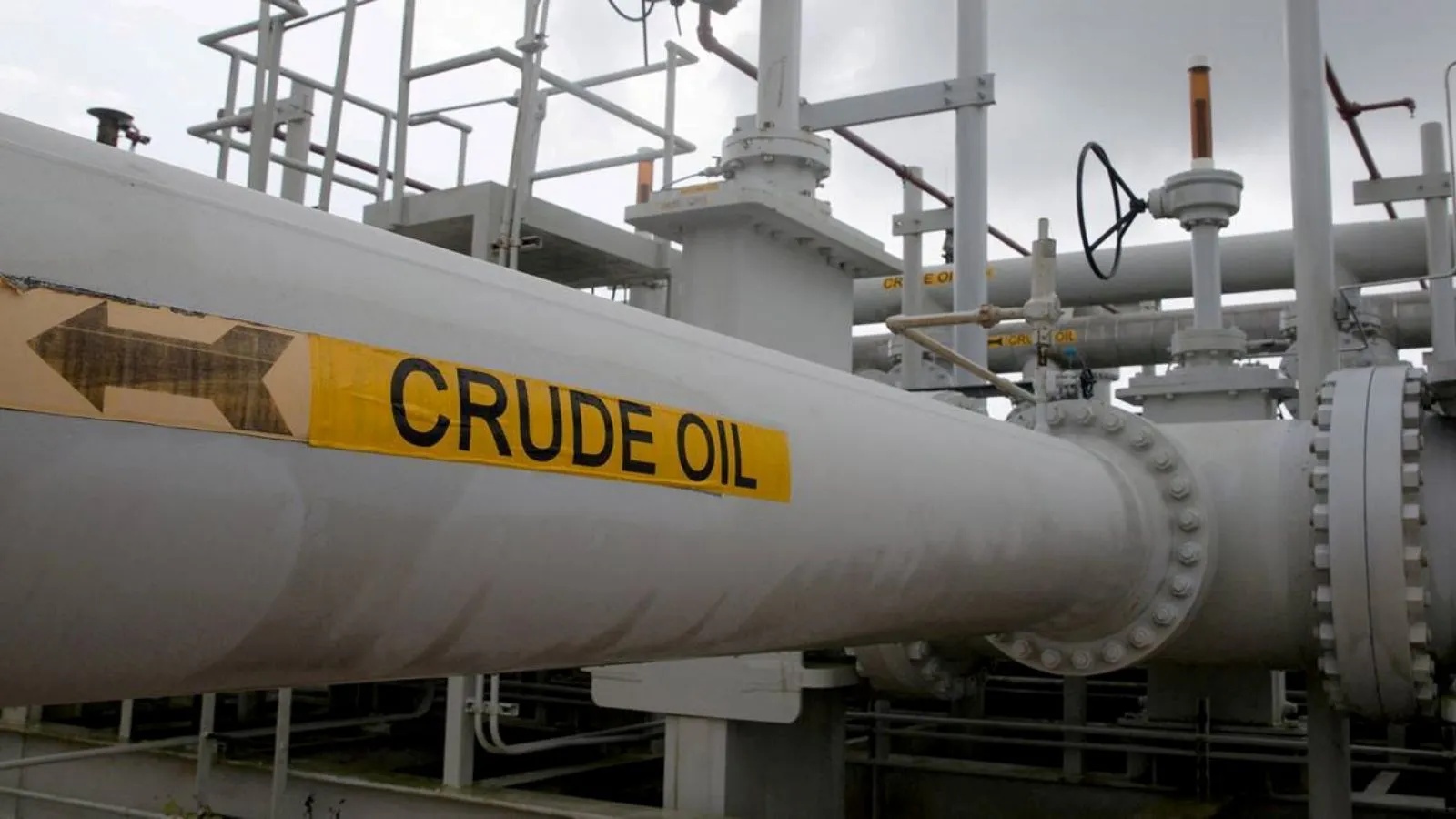
The global energy market just breathed a massive sigh of relief, but you shouldn't get too comfortable. On Friday, June 26, 2026, Saudi Aramco officially restarted crude oil loading at its massive Ras Tanura terminal in the Gulf. This ends a grueling four-month operational freeze that began back in early March.
LSEG shipping data caught the moment two Very Large Crude Carriers, both operated by the Saudi state shipping giant Bahri, began sucking up crude. A third massive tanker sat floating nearby, waiting its turn. Each of these mechanical beasts holds two million barrels of oil.
For months, the world's biggest oil exporter had to play a high-stakes game of logistics defense. Now, the taps are opening back up. But if you think this means the global energy crisis is completely solved, you are missing the bigger picture. This restart is a massive deal, yet it exposes the deep fragility underneath the surface of the global economy.
The Financial Shockwave Hitting Oil Prices Right Now
Energy traders do not wait around for press releases. The moment those tankers hooked up to the pipes at Ras Tanura, the war risk premium built into global oil prices began evaporating.
By Friday afternoon, oil prices dropped over a dollar a barrel, continuing a painful multi-day skid for energy bulls. Brent crude plummeted past the $75 threshold earlier in the week, sitting around $72.65, while WTI dipped under $70 to land at $69.50. That is the lowest we have seen since before the conflict kicked off.
The market is reacting to a sudden gush of supply. It is not just Saudi Arabia ramping back up. The UAE, Iraq, Kuwait, and Qatar are all flooding the market with crude and liquefied natural gas. According to data from Rystad Energy, production shut-ins across the Gulf have plunged to 9.6 million barrels per day, down sharply from 11.7 million barrels just three weeks ago.
This supply surge is the direct result of the interim agreement signed between the United States and Iran on June 17, 2026. That memorandum of understanding effectively paused the regional war, allowing empty tankers to stream back into the Gulf.
How Aramco Survived a Four Month Blockade
When the war broke out in March, an Iranian blockade choked off the Strait of Hormuz. Ras Tanura, which sits right on the eastern Gulf coast of Saudi Arabia, suddenly became a terminal to nowhere. Ships could not get in, and loaded tankers could not get out. The port’s last pre-blockade cargo left for China on March 8.
Then things got worse. A drone strike in early March sparked a fire at Ras Tanura’s 550,000 barrel-per-day refinery, forcing a precautionary shutdown of the entire facility.
So, how did Saudi Arabia keep from going completely broke? They relied on an expensive, brilliant logistical pivot.
Instead of letting their oil choke at the source, Aramco pumped millions of barrels across the country through its East-West pipeline. This allowed them to bypass the blocked Strait of Hormuz entirely, dumping the crude into the Red Sea port of Yanbu.
Look at how the numbers shifted during the crisis. Before the war, Yanbu handled about two million barrels per day. By early June, Saudi Arabia managed to crank that up to over five million barrels per day. They also drained their massive overseas inventories to keep their core Asian clients happy.
Even with that Herculean effort, the kingdom took a massive hit. Total Saudi oil exports averaged just four million barrels per day over the last three months. That is a brutal drop from the seven million barrels per day they were flowing back in February.
The Dangerous Illusion of Safe Shipping
Do not let the falling oil prices fool you into thinking the Gulf is safe. The reality on the water is still incredibly tense.
Just hours before Aramco restarted the pumps at Ras Tanura, a cargo vessel reported a suspected attack near Oman’s coast right in the Strait of Hormuz. The UK Maritime Trade Operations had to temporarily suspend naval escort operations because of it. U.S. officials claimed Iranian forces fired on the vessel. Meanwhile, Tehran insists that only ships sticking to specific, designated routes will get safe passage.
This means the peace is incredibly fragile. The International Energy Agency explicitly warned that while Washington and Tehran are talking, the entire region remains highly unpredictable.
If you are managing corporate supply chains, expecting energy prices to stay low forever is a mistake. The underlying geopolitical triggers are still live. A single drone, a rogue missile, or a collapsed negotiation could shut Ras Tanura down all over again.
What Energy Buyers and Investors Must Do Next
The return of Ras Tanura changes the immediate macro environment. If you want to navigate this transition without getting burned, you need a concrete plan.
First, lock in lower fuel and energy costs immediately. If your business depends on transportation, manufacturing, or heavy logistics, take advantage of this temporary dip below $75 Brent. Use futures contracts or fuel hedging strategies to secure these prices for the next six to twelve months.
Second, diversify your geographical exposure. Saudi Arabia proved that pipelines to the Red Sea work, but the Red Sea has its own security bottlenecks. Look into supply contracts sourced from West Africa, the US Gulf Coast, or South America to insulate your operations from Middle Eastern volatility.
Third, monitor regional export data instead of political headlines. Watch real-time tanker tracking data from providers like LSEG and Kpler. Do not listen to politicians talking about peace; look at whether empty VLCCs are continuing to enter the Gulf. If tanker counts drop, it means insurance companies are getting nervous, which is the ultimate leading indicator that prices are about to spike again.
The taps are flowing, and the immediate crisis has cooled. But in the energy world, the next disruption is always lurking just over the horizon. Keep your eyes on the data, secure your costs while they are low, and don't mistake a temporary truce for permanent stability.