The Predictable Theater of Post-Match Panic
Every time a major football club lifts a trophy or crashes out of a tournament, a predictable script plays out in the media. The headlines scream about chaos, clashes, and hundreds of arrests. Commentators wring their hands over the "dark side of the game." Politicians call for crackdowns, bans, and heavier policing.
It is a lazy, performative ritual.
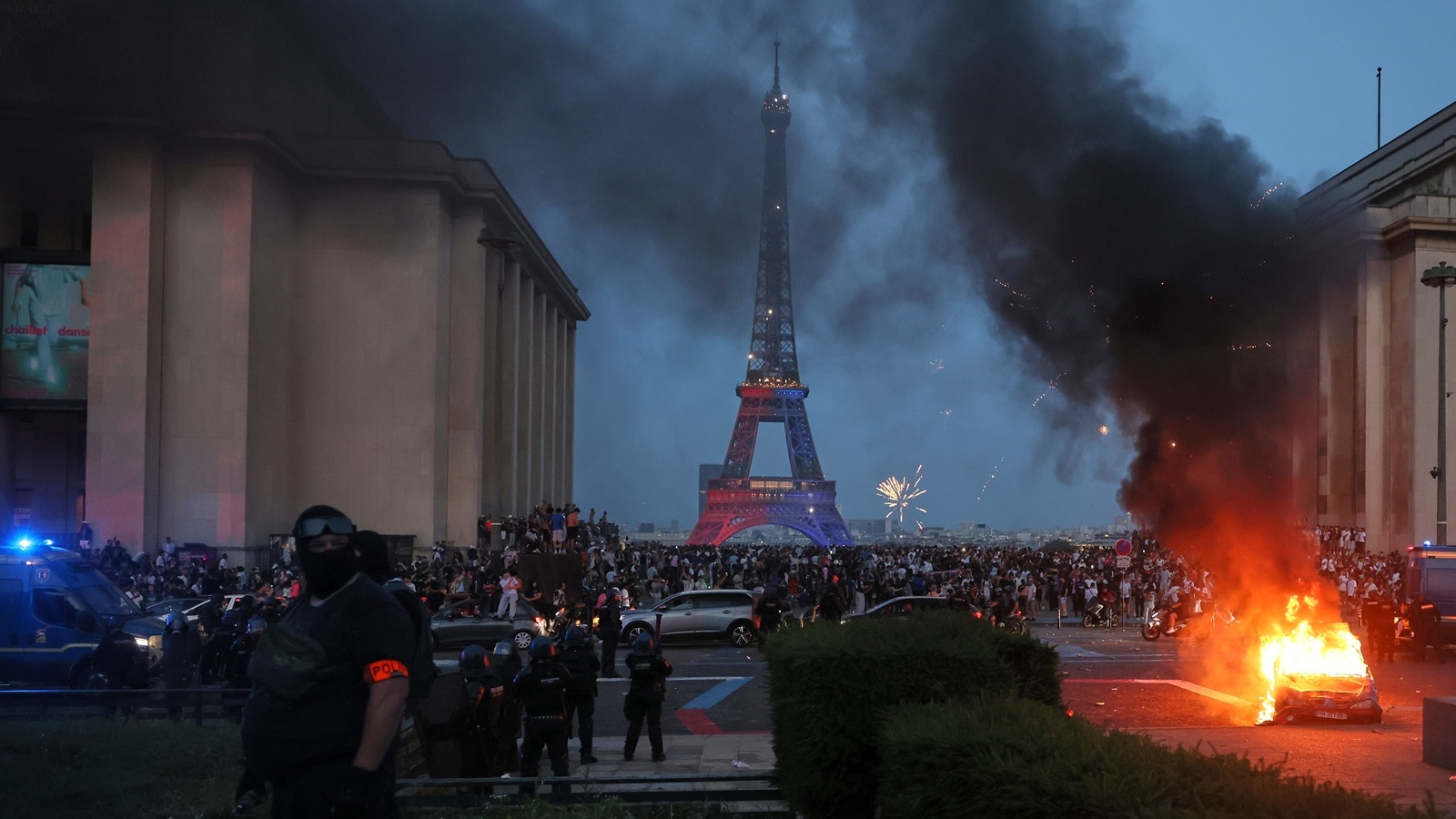
The recent coverage of the Paris Saint-Germain celebrations in France is a prime example. The mainstream narrative focuses entirely on the raw numbers: hundreds detained, police officers injured, shop windows smashed on the Champs-Élysées. It frames the event as an unpredictable explosion of fan violence, a sudden breakdown of social order caused by the intoxicating mix of sports and alcohol.
This perspective misses the point entirely.
The violence surrounding major football victories is not an aberration. It is a structural feature of modern urban policing and sports culture. By focusing solely on the immediate property damage and the arrest counts, we ignore the deeper mechanics of how these events are managed, why the state actually welcomes a certain level of controlled chaos, and how the current model of policing virtually guarantees these outcomes.
The Mirage of the Arrest Count
Let us dismantle the obsession with the arrest tally. News outlets love to lead with numbers like "416 detained." It provides an illusion of precision and a metric for the severity of the unrest.
Anyone who has spent time embedded in sports security or analyzed urban crowd dynamics knows that mass detentions are often a sign of failed strategy, not efficient law enforcement. In high-pressure situations, French police frequently employ a tactic known as nasse (kettling)—encircling a large group of people, including peaceful fans and bystanders, and arresting them en masse for minor infractions like failure to disperse.
[Standard Crowds] ---> [Kettling Tactic Applied] ---> [Escalation of Tension] ---> [Mass Arrests]
A massive arrest number rarely reflects a highly organized ring of criminals. It reflects a dragnet.
When you look at the judicial outcomes of these mass arrests in the days that follow, the numbers tell a very different story. The vast majority of those detained are released without charge, or given minor administrative fines. The "416 criminals" narrative dissolves under scrutiny, leaving behind a reality of administrative overreach and systemic frustration.
The media prints the initial number because it generates clicks and fuels outrage. They rarely follow up on how many of those arrests actually lead to a criminal conviction.
The Failure of Force-First Policing
The conventional wisdom dictates that when football fans gather, you need a massive, militarized police presence to keep the peace. The logic seems sound on the surface: visibility deters criminality.
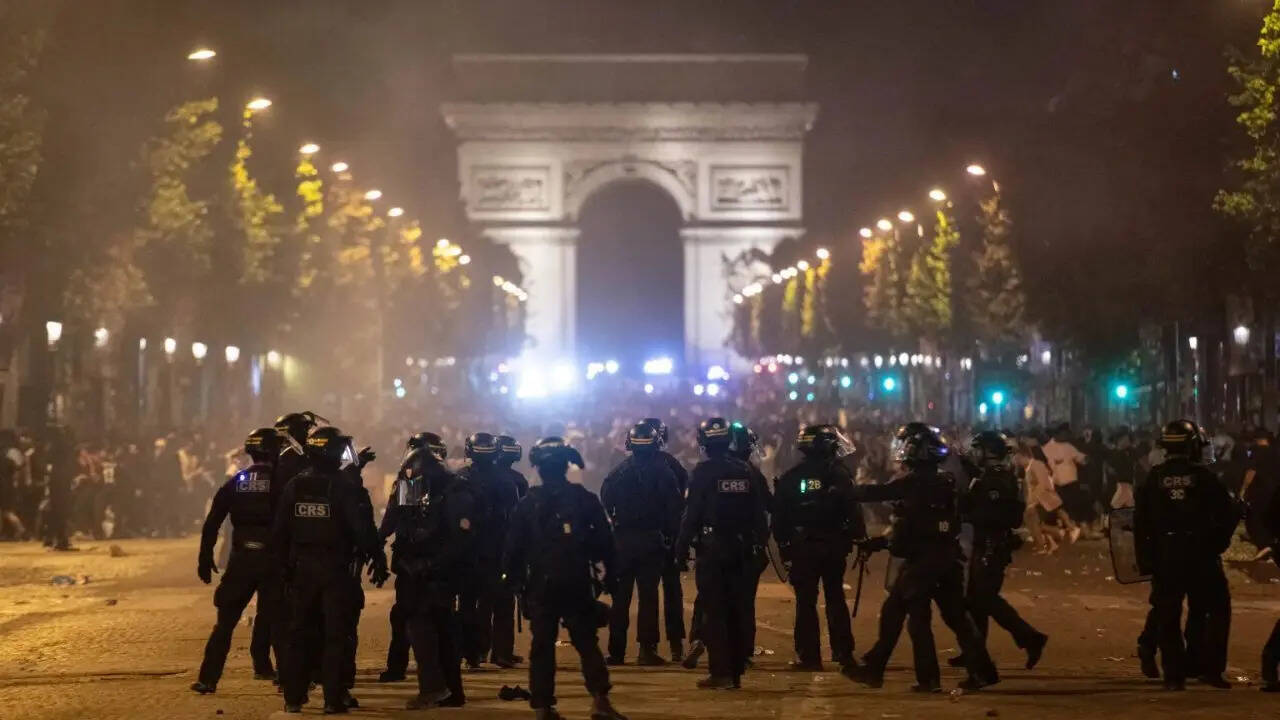
The reality is counter-intuitive. A heavily armed, riot-gear-clad police presence often acts as a catalyst for violence rather than a deterrent.
Experts in crowd psychology, such as Professor Clifford Stott, have demonstrated for decades that indiscriminate policing unites a diverse crowd against a common enemy: the police. When law enforcement treats a crowd of celebrating fans as a hostile army, the crowd begins to behave like one.
Imagine a scenario where thousands of people are celebrating a historic victory. The mood is ecstatic, loud, and chaotic, but fundamentally non-violent. Suddenly, lines of riot police block off exit routes, deploy tear gas to clear a square, and move forward with shields raised. The celebratory energy instantly shifts to self-defense and hostility. The peaceful majority disperses, leaving the aggressive minority to engage with the police, while the surrounding infrastructure bears the brunt of the collateral damage.
The French model of policing public gatherings has long relied on offensive tactics and chemical deterrents. This approach prioritizes containment and dispersal over communication and de-escalation. By the time the first tear gas canister is fired, the opportunity for a peaceful resolution has already been lost.
The Economic Absurdity of the Status Quo
Municipalities and clubs continue to view these incidents as temporary public order crises rather than ongoing operational failures. They absorb the costs of cleanup, security, and overtime pay as an inevitable tax on sporting success.
This is an economic blind spot.
The current framework socializes the costs of these celebrations while privatizing the profits. Football clubs like PSG generate hundreds of millions of euros in revenue from broadcasting rights, sponsorships, and merchandise sales. Yet, when their victories spill out into the public square and require millions of euros in policing and infrastructure repair, the taxpayer foots the bill.
If a music festival or a major convention resulted in hundreds of arrests and widespread property damage across a major European capital, the organizers would be held legally and financially accountable. Their licenses would be revoked, and their insurance premiums would skyrocket. Football clubs, however, enjoy a unique cultural immunity. They are allowed to distance themselves from the behavior of their fans the moment those fans step outside the stadium gates.
This separation of privilege and responsibility creates a moral hazard. As long as the clubs are not financially incentivized to actively manage and co-fund safe public celebration zones, the burden will continue to fall on municipal police forces who are structurally ill-equipped to handle the nuance of celebratory crowds.
Rerouting the Desire for Destruction
The solution to post-match unrest is not to ban celebrations or double the number of riot police. It is to fundamentally change the geography of the event.
The traditional model allows fans to flood into historic city centers or commercial corridors that are highly vulnerable to vandalism. These areas are filled with glass storefronts, parked cars, and narrow streets that make crowd control difficult and dangerous.
Instead of fighting the tide of public emotion, cities need to co-opt it.
- Designated Celebration Zones: Municipalities, in partnership with clubs, must establish massive, controlled fan zones outside of commercial centers. These zones must feature big screens, staging, food and beverage options, and dedicated transport links.
- Club-Funded Security: The financial burden of securing these zones must shift to the clubs themselves, utilizing trained stewards who specialize in crowd management rather than state police trained in riot control.
- Decentralized Events: Spreading the celebrations across multiple areas of a city prevents the dangerous concentration of crowds that leads to a breakdown in infrastructure.
This approach acknowledges a simple truth: you cannot suppress the euphoria of a fanbase that has just witnessed a monumental victory. You can only direct the flow of that energy.
The narrative of the mindless football hooligan is a convenient excuse for authorities who refuse to adapt their outdated tactics to the realities of modern urban life. Until we stop treating football celebrations as spontaneous riots and start treating them as predictable, massive logistics operations, the cycle of violence, arrests, and empty media outrage will continue every single season.
Stop blaming the game. Blame the strategy.