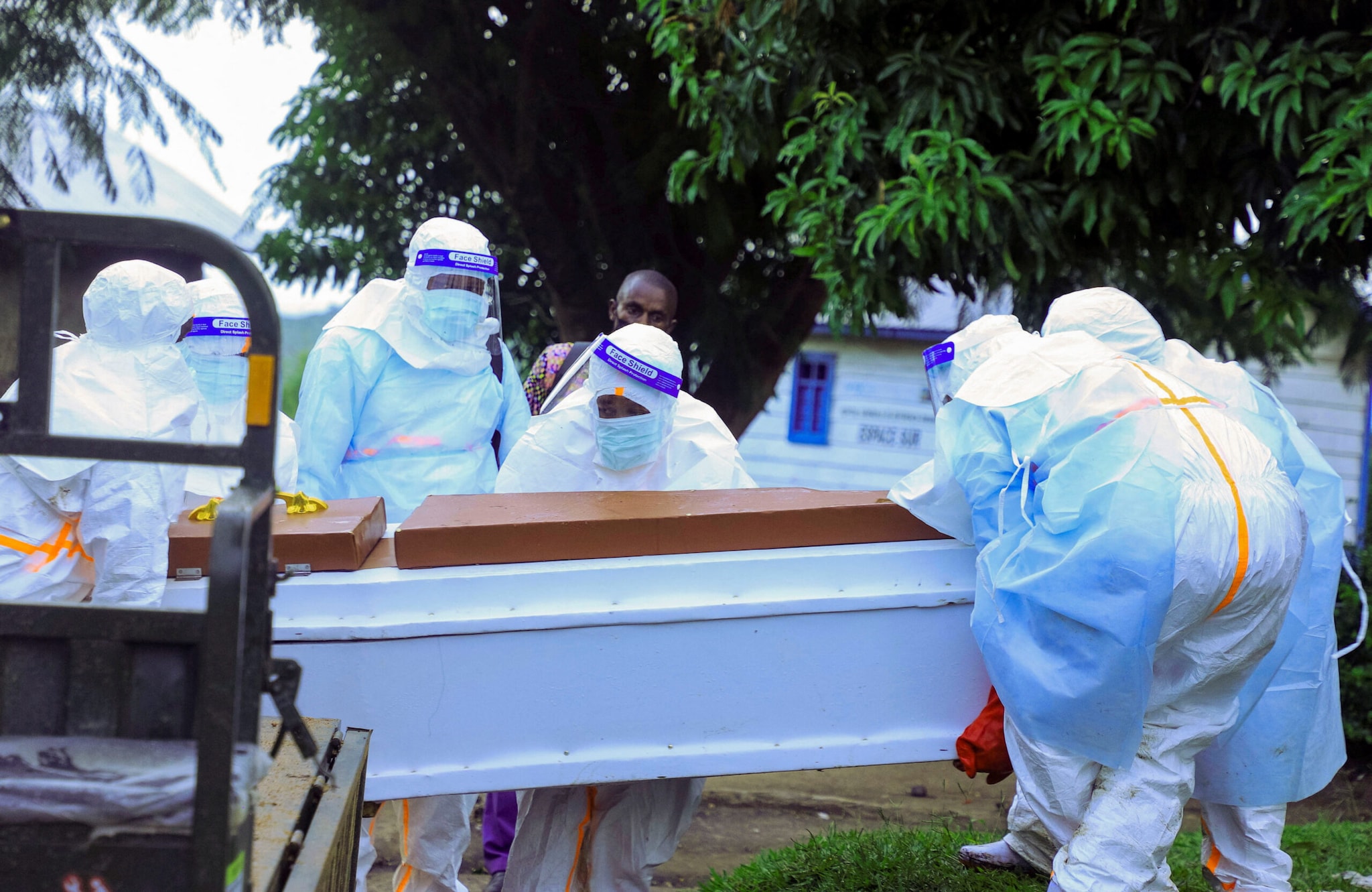
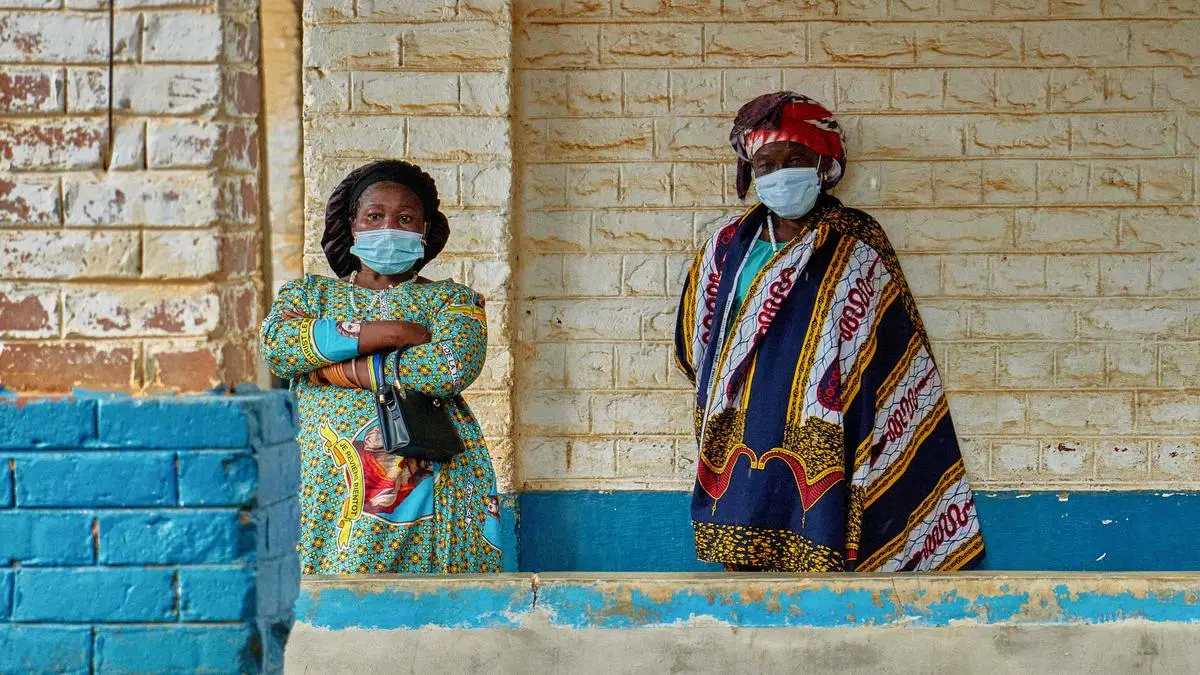
Metropolitan public health departments are fundamentally built on a lie: the belief that advance warning equals readiness. As a rare and lethal outbreak of the Bundibugyo Ebola strain spreads across Central Africa, triggers a World Health Organization emergency declaration, and prompts mandatory screenings at major transit hubs like Atlanta’s Hartsfield-Jackson, municipal leaders are repeating a familiar, exhausting script. They scramble. They issue press releases about updated protocols. They promise that lessons from previous pandemics have been learned, but the frantic race to catch up reveals a deeper structural failure. Cities are not actually caught flat-footed by the virus itself; they are paralyzed by their own bloated, reactive bureaucracies that treat biosecurity as a seasonal public relations issue rather than an ongoing infrastructure requirement.
The primary flaw in the current response paradigm is the institutional addiction to lagging indicators. A city's emergency framework rarely activates when an outbreak begins in an equatorial province half a world away; it triggers only when a symptomatic passenger boards a flight bound for their tarmac. By then, the math is already working against the containment teams.
The Illusion of the Border Filter
Airport screenings provide a comforting psychological buffer for the public, but they are a sieve, not a shield. The incubation period for Ebola can span anywhere from two to twenty-one days. A passenger exposed in a high-risk region can easily pass through thermal scanners and customs questionnaires without registering a flicker of fever or admitting to contact.
[Exposure in Region] ──> [Transit Day 1-3: Symptomless] ──> [Airport Screening: PASSED] ──> [Community Spread Begins]
When local health authorities rely on federal border checkpoints to act as the primary firewall, they inherit a false sense of security. The true burden of containment invariably drops on municipal emergency rooms, institutions that are already operating at or near peak capacity due to baseline staffing shortages and systemic underfunding.
Consider a typical urban emergency department on a Tuesday night. It is overcrowded, understaffed, and chaotic. If an undiagnosed patient presenting with early, non-specific symptoms like a headache and sore throat arrives, the likelihood of immediate, flawless isolation is remarkably low. The front-line defense relies entirely on triage nurses remembering to ask detailed, recent international travel histories during moments of peak stress. If that single question is missed, the virus gains a foothold inside the very facility meant to eliminate it.
The Cost of Perennial Bureaucracy
Municipal health agencies have spent the last decade building elaborate administrative structures dedicated to compliance, check-lists, and theoretical preparedness. Yet, when an actual pathogen arrives, these structures frequently seize up under the weight of their own administrative mass.
Institutional Amnesia
Every major health crisis follows an identical fiscal trajectory. Money pours in during the acute phase of a scare, funding specialized isolation units and training programs. Once the headlines fade, the funding dries up. The specialized equipment sits in storage rooms, its batteries dying and its expiration dates passing unnoticed. Experienced personnel retire or migrate to the private sector, taking years of highly specific containment knowledge with them. When the next threat emerges, the institution must effectively reinvent the wheel at double the cost.
The Vendor Bottleneck
Procurement is the silent killer of municipal agility. During a public health emergency, a city needs to move millions of dollars in personal protective equipment (PPE) and diagnostic assays within hours. Instead, municipal codes often require multi-tiered bidding processes, vetting of minority-owned business certificates, and legal reviews that drag on for weeks. While bureaucrats debate contract stipulations, front-line clinicians are left wearing standard surgical masks and hoping for the best.
"We have plenty of plans on paper, but a paper plan cannot filter a virus," notes a veteran epidemiologist from a major northeastern transit hub, speaking on the condition of anonymity. "When the supply chain tightens globally, a city health department has less purchasing leverage than a single major private hospital network."
The Myth of Private Hospital Alignment
A critical, overlooked vulnerability in urban biosecurity is the widening chasm between public health priorities and the economic realities of private hospital systems. Most modern metropolitan areas rely on a patchwork of private, non-profit, and corporate hospital networks to deliver core medical care.
These entities operate on razor-thin margins and maximize efficiency by eliminating redundancy. They do not maintain empty, specialized negative-pressure isolation wards just in case a rare hemorrhagic fever arrives. To a corporate chief financial officer, an empty bed is lost revenue.
| Operational Metrics | Public Health Imperative | Private Hospital Reality |
|---|---|---|
| Bed Capacity | High reserve margins for surge capacity | Maximize census to ensure profitability |
| Staffing Levels | Redundant teams trained in strict biohazard protocols | Lean staffing to minimize labor overhead |
| Stockpiling | Long-term reserves of specialized PPE | Just-in-time inventory management |
When a city health department issues mandates for heightened vigilance and training, private networks must absorb the labor costs of removing nurses and physicians from revenue-generating procedures to attend training sessions. The result is a quiet, persistent resistance. Compliance becomes a box-checking exercise. Hospitals do enough to pass an accreditation audit, but stop short of the deep, sustained operational changes required to manage a highly infectious pathogen safely.
The Communication Breakdown
When a city is forced into a defensive posture, the first casualty is clear communication. Public health officials are trapped between two competing pressures: the need to inform the public and the desperation to prevent panic that could paralyze municipal commerce.
This tension creates an environment of sanitized, overly optimistic language that erodes trust. If the public senses that officials are minimizing a threat to protect corporate retail interests or tourism revenue, they stop listening to official guidance entirely. They seek information from alternative, unverified sources, driving a cycle of misinformation that makes contact tracing and quarantine enforcement nearly impossible.
True authority is not projected by pretending an organization has everything under control when the cracks are obvious. It is earned through radical transparency. If a city lacks the diagnostic capacity to process tests within twenty-four hours, it should state that clearly, along with the precise steps being taken to bridge the gap.
The current race to catch up with the Bundibugyo strain is an indictment of a system that refuses to fund foundational public health infrastructure during peacetime. Until cities treat biosecurity with the same permanent, non-negotiable budgetary commitment they afford to police departments or water treatment facilities, they will remain perpetually flat-footed. No amount of late-stage scrambling can replace the quiet, expensive work of continuous readiness.