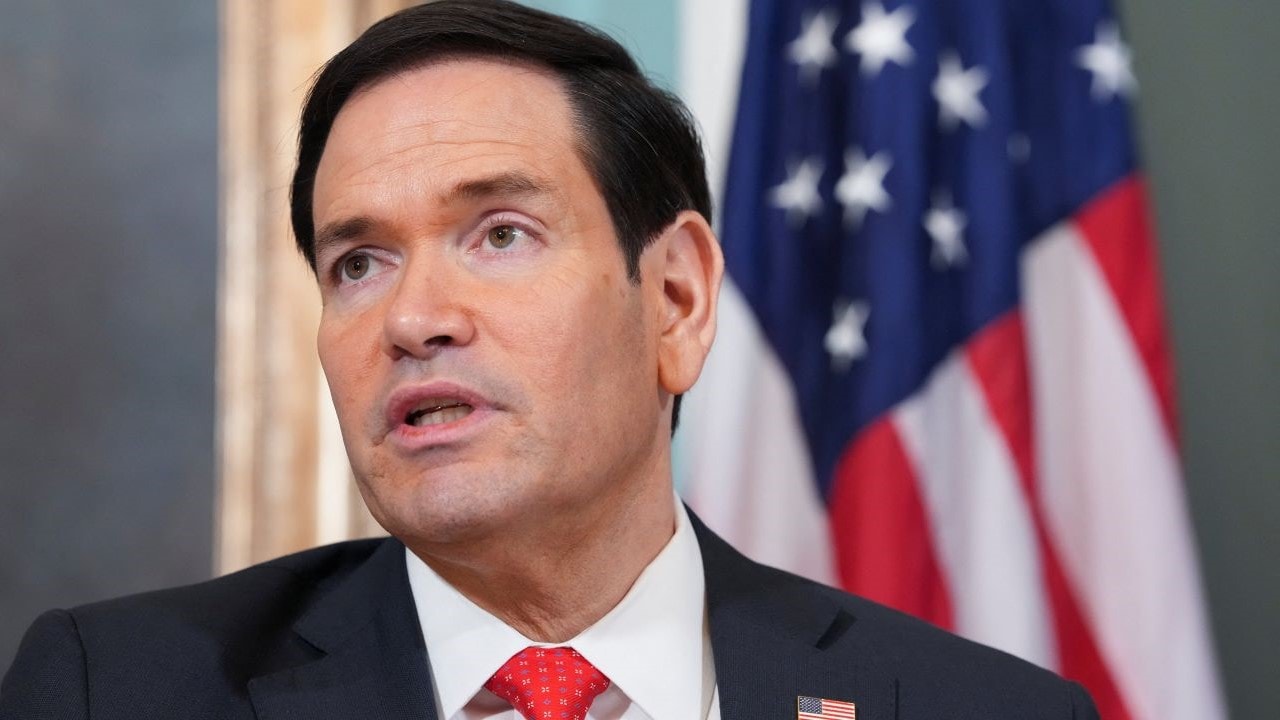
The United States and Iran are locked in a cycle of high-stakes attrition because both sides have realized that a bad peace is currently more dangerous to their domestic survival than a controlled war. While headlines focus on the lack of a formal "long-term deal," the reality is that the structural window for a traditional diplomatic grand bargain has slammed shut. Secretary of State Marco Rubio’s recent assertions that Tehran is "serious" about escaping its economic nightmare are likely accurate, but they miss the fundamental tectonic shift: the Iranian regime is no longer just bargaining for sanctions relief; it is fighting to maintain the "economic nuclear weapon" it discovered in the Strait of Hormuz.
Washington demands a permanent end to enrichment. Tehran demands a total lift of the blockade and the departure of U.S. forces from the region. These positions are not just far apart; they are mutually exclusive under the current geopolitical architecture. Without a long-term deal, the world is not simply waiting for a signature; it is witnessing the birth of a new, permanent state of hybrid conflict where energy markets and cyber networks replace the traditional nuclear negotiating table.
The Hormuz Leverage and the Death of the Nuclear Focus
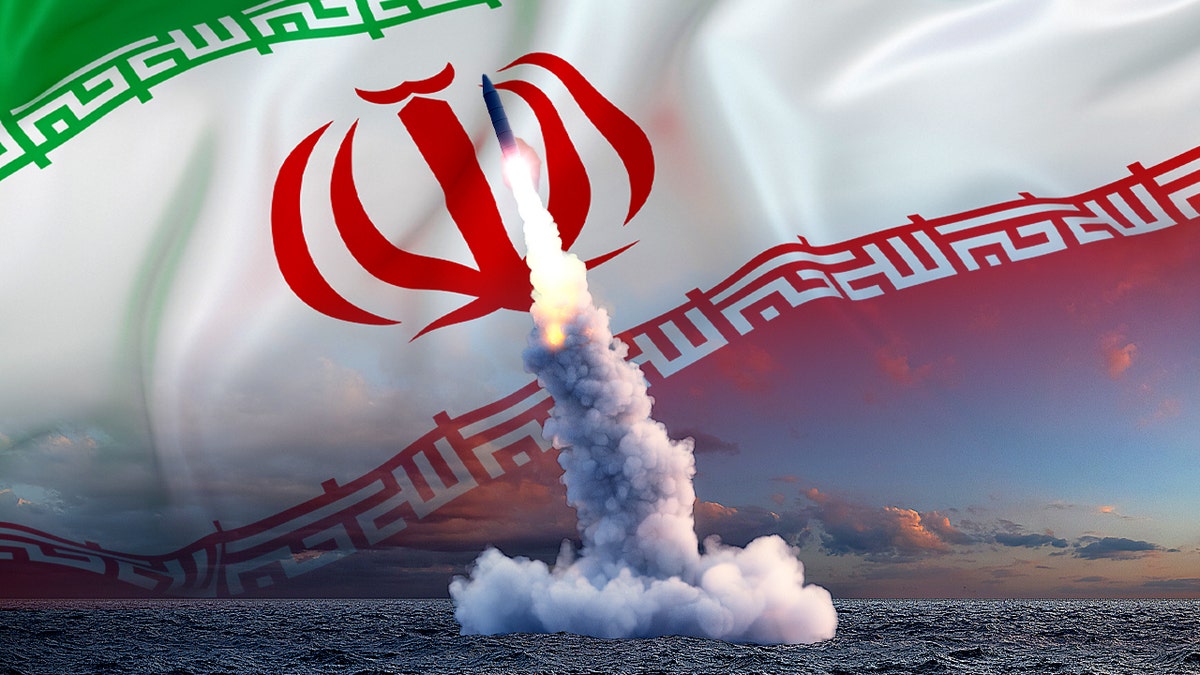
For decades, the West viewed the nuclear program as Iran’s ultimate bargaining chip. That changed on February 28, 2026, when the conventional conflict erupted. Iran’s subsequent move to choke the Strait of Hormuz—through which 20% of the world’s energy flows—redefined the leverage. Rubio rightly characterizes this as an "economic nuclear weapon." By forcing ships to "coordinate" with Tehran or face destruction, Iran has effectively nationalized a global waterway.
This tactic has created a bifurcated reality for global trade. If you pay the toll and follow Tehran’s rules, the oil flows. If you don't, insurance premiums skyrocket and supply chains snap. The U.S. blockade of Iranian ports was intended to starve the regime into submission, but it instead pushed the Islamic Republic to use the only card it had left: the geography of the Persian Gulf.
The danger of failing to reach a deal now is that Iran may conclude that controlling the Straits is more valuable than any sanctions relief the U.S. could offer. If they can extract "tolls" and exert veto power over global energy prices, they achieve a level of sovereign power that no treaty could ever provide. This is why the Islamabad talks failed. Washington wants to talk about centrifuges; Tehran wants to talk about the blockade and its "right" to police its backyard.
The Nuclear Sprint and the Conventional Shield
Marco Rubio’s primary fear—one shared by intelligence agencies across the globe—is that Iran is using the current chaos as a "conventional shield." While the world watches drone swarms and naval skirmishes, the quiet work in the deep bunkers of Fordow continues. The absence of a long-term deal removed the last vestiges of international monitoring.
We are no longer in a "breakout" period measured in months. We are in a "sprint" measured in weeks.
The logic in Tehran is grimly rational. Looking at the fates of Muammar Gaddafi and Saddam Hussein compared to the Kim dynasty in North Korea, the Iranian clerical establishment sees a nuclear deterrent as the only guarantee against regime change. Rubio’s argument is that a deal without "definitive" prevention is worse than no deal at all, because it provides the regime with the funds to stabilize its economy while it finishes the bomb in secret.
However, the "no deal" path carries a terrifying price tag. Without a formal agreement, the U.S. is forced into a permanent military posture in the Gulf. This isn't just about aircraft carriers. It’s about the massive, unceasing drain on the U.S. Treasury and the depletion of precision-guided munition stockpiles that are desperately needed to deter threats in the Indo-Pacific.
The Digital Frontline and Hybrid Threats
While the physical war is contained to the Middle East, the "no deal" scenario has unleashed a secondary conflict that hits much closer to home for the average American. Iran has pivoted heavily toward hybrid threats. This isn't abstract theory.
In February 2026, the Department of Homeland Security labeled Iran a "persistent threat" to the U.S. homeland. This manifests in cyberattacks on critical infrastructure, water treatment plants, and medical suppliers. When the U.S. tightens the economic screws, Iran doesn't just fire a missile at a base in Iraq; it sends a digital payload to a county IT system in Indiana.
This is the "new normal" of a world without a US-Iran deal. The conflict is no longer "over there." It is in the civilian space. It is in the price of fertilizer in the Midwest and the reliability of hospital networks in Europe. The lack of a diplomatic framework means there are no "off-ramps" for these digital escalations. In the Cold War, there were red lines and hotlines. In 2026, there is only the constant, grinding friction of state-sponsored hacking.
The Economic Attrition of the American Public
The most significant consequence of the missing deal is the one Rubio and the Trump administration have the hardest time solving: the price at the pump. Gas prices in the United States have hit their highest levels since the 2022 shock. This isn't just a "political headache." It is an economic toxin.
High energy prices drive inflation across every sector. Food becomes more expensive because of transport and fertilizer costs. Consumer spending drops. The U.S. may declare military victories, sinking Iranian patrol boats and intercepting drones, but the economic cost is being paid by citizens in Boise and Birmingham.
The "blockade for a deal" strategy assumes that the Iranian people will eventually rise up and topple the regime due to economic hardship. While Rubio points to inflation and unpaid wages in Iran as signs that "they are in a mess," history suggests that desperate regimes often become more repressive, not more pliable.
The Fracturing of the Global Alliance
Perhaps the most overlooked factor is how the "no deal" status quo is eroding U.S. influence with its allies. Europe, Australia, and Southeast Asia are bearing the brunt of the energy crisis triggered by the Hormuz situation. In many of these capitals, the blame is shifting.
While the U.S. views itself as the defender of international waterways, much of the world sees two stubborn powers holding the global economy hostage. If the U.S. cannot deliver a deal that stabilizes the oil markets, its allies may start making their own arrangements with Tehran or, worse, moving closer to Beijing to secure energy guarantees that Washington can no longer provide.
The Islamabad talks were a missed opportunity, but they were also a warning. The "token enrichment" and "minimal sanctions relief" offered by U.S. negotiators were never going to be enough for a regime that feels it has finally found a way to hurt the West where it lives—in the wallet.
The Brutal Reality of the Stalemate
There is no "clean" exit from this. A deal would require the U.S. to accept some level of Iranian enrichment and regional influence, which is politically impossible in Washington. "No deal" requires the U.S. to maintain a war footing indefinitely, which is economically and socially draining.
We are entering a period where the goal is no longer "resolution" but "management." The U.S. will continue to use sanctions and targeted military strikes to degrade Iran’s capabilities, while Iran will continue to use the Strait of Hormuz and cyber warfare to extract a price for that pressure.
The definitive takeaway is this: the "mess" Rubio describes is real, but it is a mess shared by the entire global community. The lack of a US-Iran long-term deal isn't a temporary diplomatic failure; it is the permanent end of the post-Cold War era in the Middle East. We are moving into a landscape where the primary objective is not to win, but to avoid losing everything in a single afternoon of miscalculation in the Persian Gulf.
Secure your digital life, watch the energy tickers, and understand that the "war" is already here. It just doesn't look like the ones we used to fight.