The heat in the eastern Democratic Republic of Congo does not just sit on your skin; it presses into your lungs. In the border towns near Goma, the air smells of charcoal smoke, exhaust, and the damp earth of a tropical rainforest. For weeks, a quiet panic had been rippling through the markets and church benches. It started as whispers about a fever that burned too hot, a sickness that took people down in days. Then came the blood.
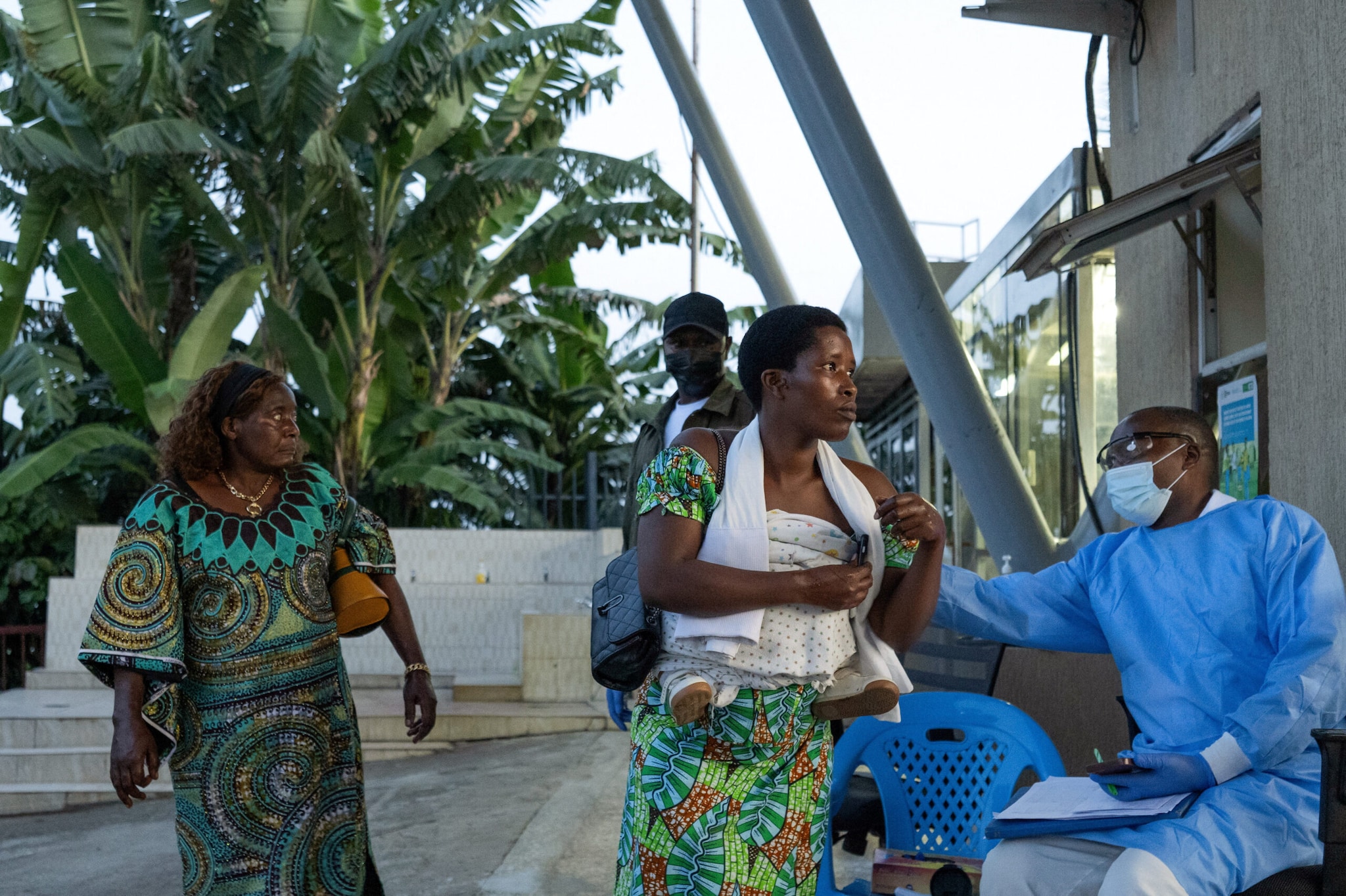
When the World Health Organization dials the alarm to its absolute maximum, triggering a Public Health Emergency of International Concern (PHEIC), the global headlines frame it as a bureaucratic mechanism. They talk about committees, geopolitical risk, and containment funds. But on the ground, the reality of a PHEIC is measured in the sound of plastic boots crunching on gravel and the sight of health workers sweating through heavy layers of protective gear under a blinding sun.
A PHEIC is not declared lightly. It is an admission that a pathogen has outrun the local borders. It means a virus has become a shared global problem, requiring a coordinated international response. To understand why Ebola forced the world’s hand, you have to look past the data points and stand at the border crossings where thousands of people move every single day, carrying their lives, their goods, and sometimes, an invisible passenger.
The Anatomy of an Alarm
Consider the mechanics of a modern outbreak. Ebola is a filovirus, a microscopic strand of RNA that causes severe hemorrhagic fever. It spreads not through the air, like a flu or a cold, but through direct contact with the bodily fluids of someone who is sick or has died. In a isolated village deep in the rainforest, the virus often burns itself out. It strikes hard, it strikes fast, and tragic as it is, the geography acts as a natural quarantine.
But geography no longer protects us.
The turning point that triggered the global declaration was the movement of the virus from rural outposts into major urban hubs and toward international borders. When an infected individual traveled to Goma—a city of over two million people with an international airport—the math changed instantly. A virus in a city of millions is a completely different beast than a virus in a hamlet of hundreds.
The PHEIC designation is governed by the International Health Regulations, a legally binding agreement signed by nearly two hundred countries. The criteria are precise. The event must be extraordinary. It must constitute a public health risk to other states through the international spread of disease. And it must potentially require a coordinated international response.
When those three boxes are checked, the global community is legally signaled that the luxury of viewing this as "someone else's problem" has officially expired.
The Friction on the Ground
Walk into a temporary triage clinic constructed of wood frames and blue plastic tarps. The first thing you notice is the sound of spraying. Chlorine is everywhere. It stings the eyes and bleaches the hems of trousers.
The public health experts at the top talk about "surveillance" and "contact tracing." In reality, contact tracing is an exercise in profound human vulnerability. Imagine having to sit with a stranger and recall every single person you have touched, sat next to, or shared a meal with over the previous two weeks. Imagine the fear of admitting that your sibling or your child is hidden in a back room, burning with a fever, because you are terrified that if the men in white suits take them away, you will never see them again.
This emotional friction is where global health strategies either succeed or shatter. In this specific outbreak, the challenge was compounded by deep-rooted community mistrust and decades of conflict. Armed groups operated in the exact regions where the virus was spreading. Health workers were not just fighting a deadly pathogen; they were navigating geopolitical fault lines and active crossfire.
When rumors spread that the treatment centers were actually places where organs were harvested, or that the virus was a political invention to delay elections, people stopped coming to the clinics. They stayed home. They cared for their dying relatives with bare hands. And the virus thrived in the shadows of that distrust.
The Weapon of Science
We are not entirely defenseless. Unlike the catastrophic West African outbreak of 2014, the global response now possesses a weapon that changes the calculus of survival: the Ervebo vaccine.
The vaccine is administered through a strategy known as "ring vaccination." Think of it as a firebreak cut into a forest. Instead of trying to vaccinate an entire population of millions—an impossible logistical feat in a conflict zone—teams locate an infected individual. They then identify every person that individual has interacted with, creating the first ring. Then, they identify the contacts of those contacts, creating a second ring.
By vaccinating these concentric circles of people, the virus runs out of available hosts. It hits a wall of immunity and stops.
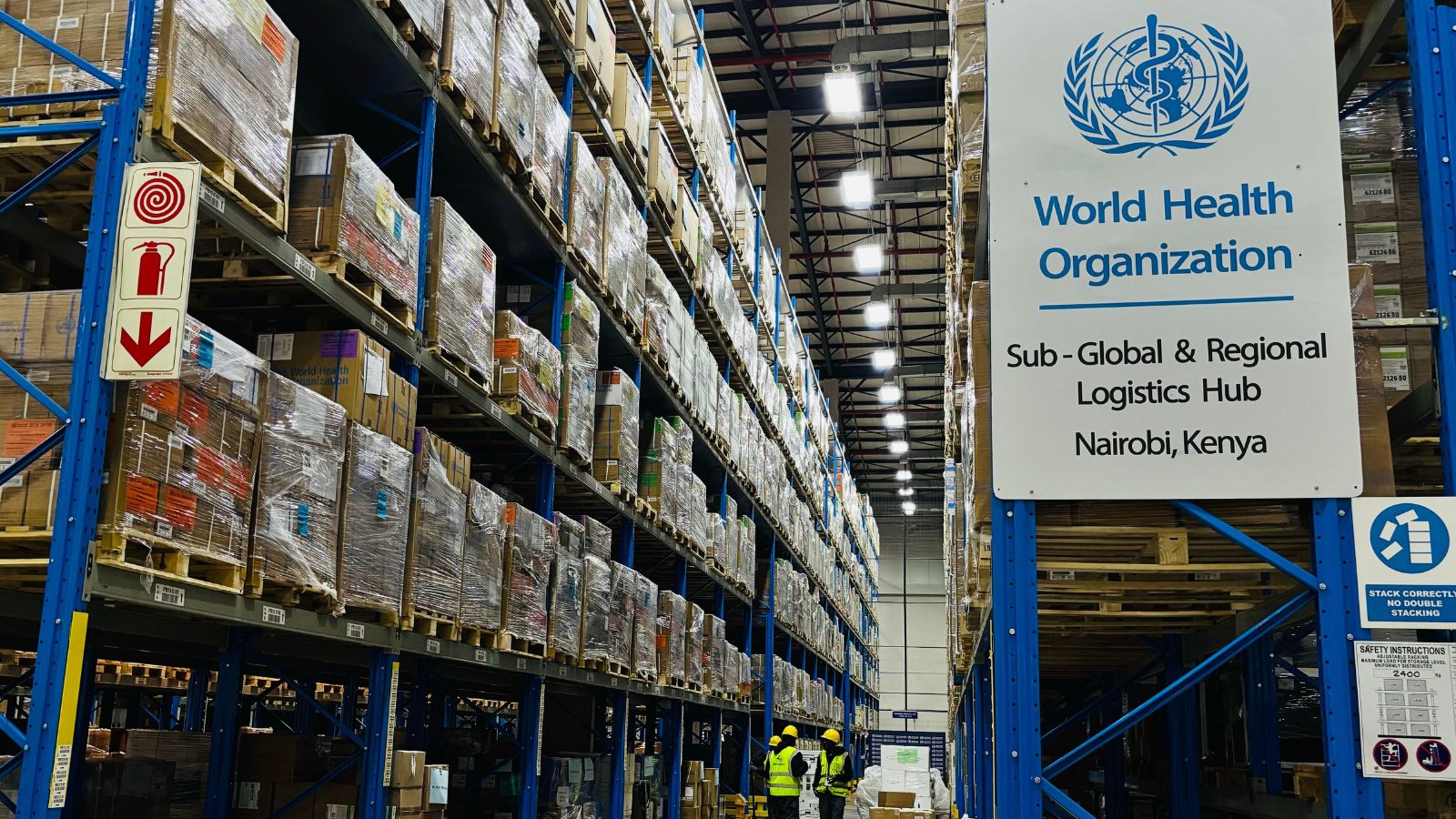
But a vaccine is only as good as the system that delivers it. The Ervebo vaccine must be kept at ultra-cold temperatures, between -60°C and -80°C. Maintaining a cold chain of that intensity in a region with sporadic electricity, washed-out roads, and active militia violence is a logistical nightmare. It requires generators, solar-powered freezers, and teams willing to hike miles into the bush carrying heavy refrigeration equipment on their backs.
The Price of Deliberation
There is a recurring debate within the halls of global governance about when to sound the alarm. If you declare a PHEIC too early, you risk causing unnecessary economic devastation. Countries panic. They shut down borders, cancel flights, and halt trade. For a developing economy, a sudden isolationist blockade can cause more death through poverty and malnutrition than the virus itself.
If you declare it too late, the virus gets a head start. And in exponential growth, a head start is everything.
The delay in declaring this specific emergency became a point of intense scrutiny. Critics argued that the criteria had been met months prior, while official bodies hesitated, hoping local measures would suffice. But a virus does not wait for committee consensus. It follows the paths of human commerce and familial love. It rides on the back of motorbikes; it crosses rivers on wooden barges.
The formal declaration finally unlocked the resources that had been trickling in too slowly. It cleared the bureaucratic bottlenecks for funding, streamlined the deployment of international medical experts, and forced neighboring countries to elevate their border screenings to the highest alert level. It shifted the global stance from reactive containment to aggressive, coordinated warfare.
The Threshold
The red dirt roads outside the treatment centers remain quiet in the midday heat. The true weight of a global health emergency is found in this stillness, in the spaces where normal life has paused. It is found in the eyes of a nurse who has spent six hours inside a suffocating personal protective suit, peeling off the layers with trembling, bleached hands, knowing that a single slip in technique could mean infection.
The international community responds to these crises with money and declarations because it has realized a fundamental truth about the modern world: borders are a human fiction to a pathogen. The health of a child in a remote Congolese village is directly tethered to the health of a traveler in London, Tokyo, or New York.
The PHEIC declaration is a systemic acknowledgment of our interdependence. It is a reminder that the lines we draw on maps cannot contain a biological reality. The alarm has been sounded, the resources are moving, and the fight is being waged in the dirt, one person, one contact, one ring at a time.