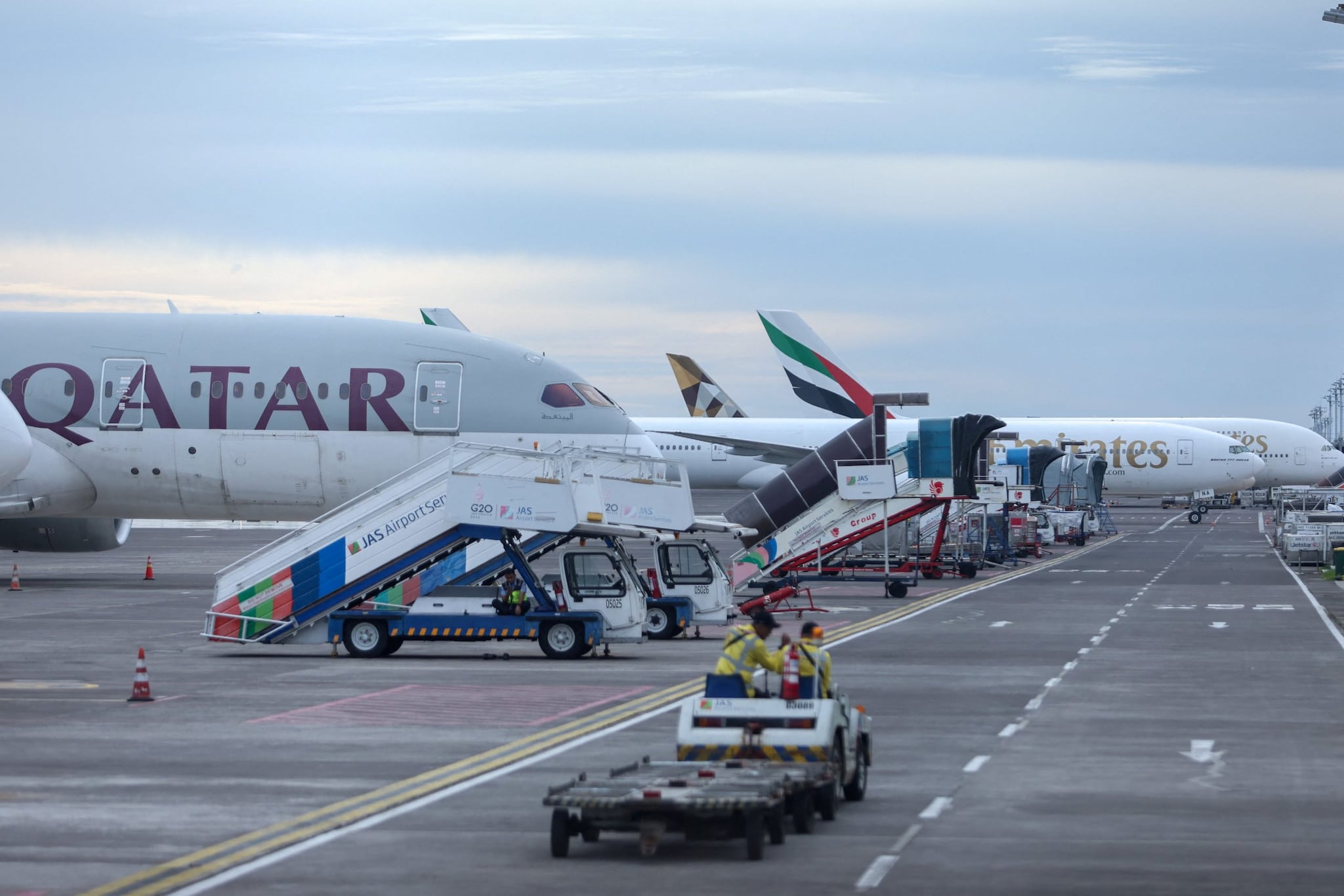
The sight of grounded planes and locked terminal gates isn’t just a PR disaster. It’s a gut punch to passengers who suddenly find their holiday plans trashed. The latest regional airline collapse shouldn't surprise anyone who follows the industry, but it still stings when a carrier that’s been in business since 2002 finally hits the wall. Administration isn't just a legal term here. It means hundreds of people are out of a job and thousands of tickets are now worth exactly zero.
You’ve probably seen the headlines about all flights being cancelled. This isn't a temporary delay or a scheduling glitch. When an airline goes into administration, the money has run out. The fuel bills, the landing fees, and the staff wages have piled up until the weight crushed the company. If you're holding a ticket for a flight that was supposed to take off tomorrow, you're likely looking at a long road to get your money back.
Most people think these failures happen because of one bad season. They don't. It's usually a slow-motion car crash involving rising fuel costs, aggressive competition from budget giants, and a lack of cash reserves to weather any kind of storm. For an airline that survived over two decades, this is a particularly bitter end.
The Anatomy of a Regional Airline Failure
Running a regional airline is basically a high-stakes gamble with razor-thin margins. You're operating smaller aircraft, which often have a higher cost per seat than the massive jets flown by the likes of Ryanair or EasyJet. You’re also flying routes that don't always have the consistent demand needed to keep the lights on.
One day you're the backbone of local connectivity. The next, you're broke.
Regional carriers often serve "thin" routes. These are flights between smaller cities where there isn't enough traffic for a big plane but enough people need the service to justify a 50-seater. The problem? When fuel prices spike or a global event shifts travel patterns, those thin routes become black holes for cash. Unlike the big players, smaller airlines can't just absorb a $50 million loss in one quarter and keep moving. They don't have the "moat" that protects larger corporations.
This specific collapse highlights a grim reality. Staying in business for 20 years doesn't mean you're safe. It just means you've been better at juggling the debt until you weren't.
What Happens to Your Money and Your Flight
If you're caught in this mess, "frustrating" doesn't even cover it. You arrive at the airport and the screens just say "Cancelled." No staff. No vouchers. Nothing.
The legal process of administration means the airline is now run by third-party insolvency practitioners. Their job isn't to get you to your destination. Their job is to sell off the airline’s assets—the planes, the desks, even the branded pens—to pay back the people the airline owes money to. Passengers are usually at the very bottom of that list.
Don't Wait for the Airline to Call You
They won't. They can't. The call centers are usually the first thing to go dark. You have to be aggressive about getting your money back.
- Credit Card Chargebacks: This is your best weapon. If you paid by credit card and the service wasn't provided, your bank is often legally liable to refund you. Call them immediately. Don't "wait and see" if the airline reorganizes.
- Travel Insurance: Check your policy for "Scheduled Airline Failure" (SAFI). Not all basic policies include this. If yours does, you're in luck.
- Atol Protection: If your flight was part of a package holiday, you’re likely covered by the Atol scheme. If it was just a flight-only booking directly with the airline, you probably aren't.
I’ve seen travelers wait weeks hoping for a "rescue" flight that never comes. Don't be that person. Book a new flight with a different carrier now if you absolutely have to travel. The prices will only go up as other airlines hike their fares to capitalize on the sudden drop in competition. It’s predatory, sure, but it’s how the market works.
Why Long Term Survival Doesn't Guarantee Safety
You’d think 22 years in the game would buy some stability. It doesn't. The aviation industry is notoriously cyclical. We see a boom, then a bust, then a period of consolidation where the big fish eat the small fish.
Smaller airlines often get squeezed from two sides. On one hand, you have the high-speed rail links taking away short-haul passengers. On the other, the ultra-low-cost carriers are moving into secondary airports with lower overheads and more aggressive pricing.
When an airline like this fails, it leaves a "connectivity gap." Small regional airports that relied on these flights for 30% or 40% of their traffic are suddenly staring at empty runways. It's a local economic disaster that goes way beyond a few cancelled holidays. We're talking about business travel drying up and regional investment slowing down because it’s suddenly a four-hour drive instead of a forty-minute flight.
How to Protect Yourself from the Next Collapse
Aviation is volatile. That's just the truth. You can’t predict which airline will be next, but you can change how you book to make sure you aren't the one left crying at the check-in desk.
Stop booking flights on debit cards. Honestly, it’s a massive risk for any significant travel spend. Credit cards offer a layer of protection that debit cards simply don't. In many jurisdictions, the credit card company is "jointly and severally liable" if the merchant goes bust. That means the bank pays you back even if the airline has zero dollars in its accounts.
Always look for that Atol or Abta logo if you're in the UK, or the equivalent consumer protection in your region. If you're booking a DIY trip, buy a travel insurance policy that specifically mentions airline insolvency. Most people skip the fine print and assume any "travel insurance" covers everything. It doesn't.
Check the news before you book. If there are rumors of an airline seeking "emergency funding" or "restructuring debt," steer clear. It’s not worth the $20 saving on a ticket if the airline doesn't exist by the time your departure date rolls around.
The industry is brutal. It’s expensive, it’s heavily regulated, and it’s prone to external shocks. When a veteran carrier disappears, it’s a reminder that no one is too big—or too old—to fail. If you're affected by this latest shutdown, stop checking the airline’s website and start calling your bank. That's where your refund is going to come from, not from a company that just turned out the lights.