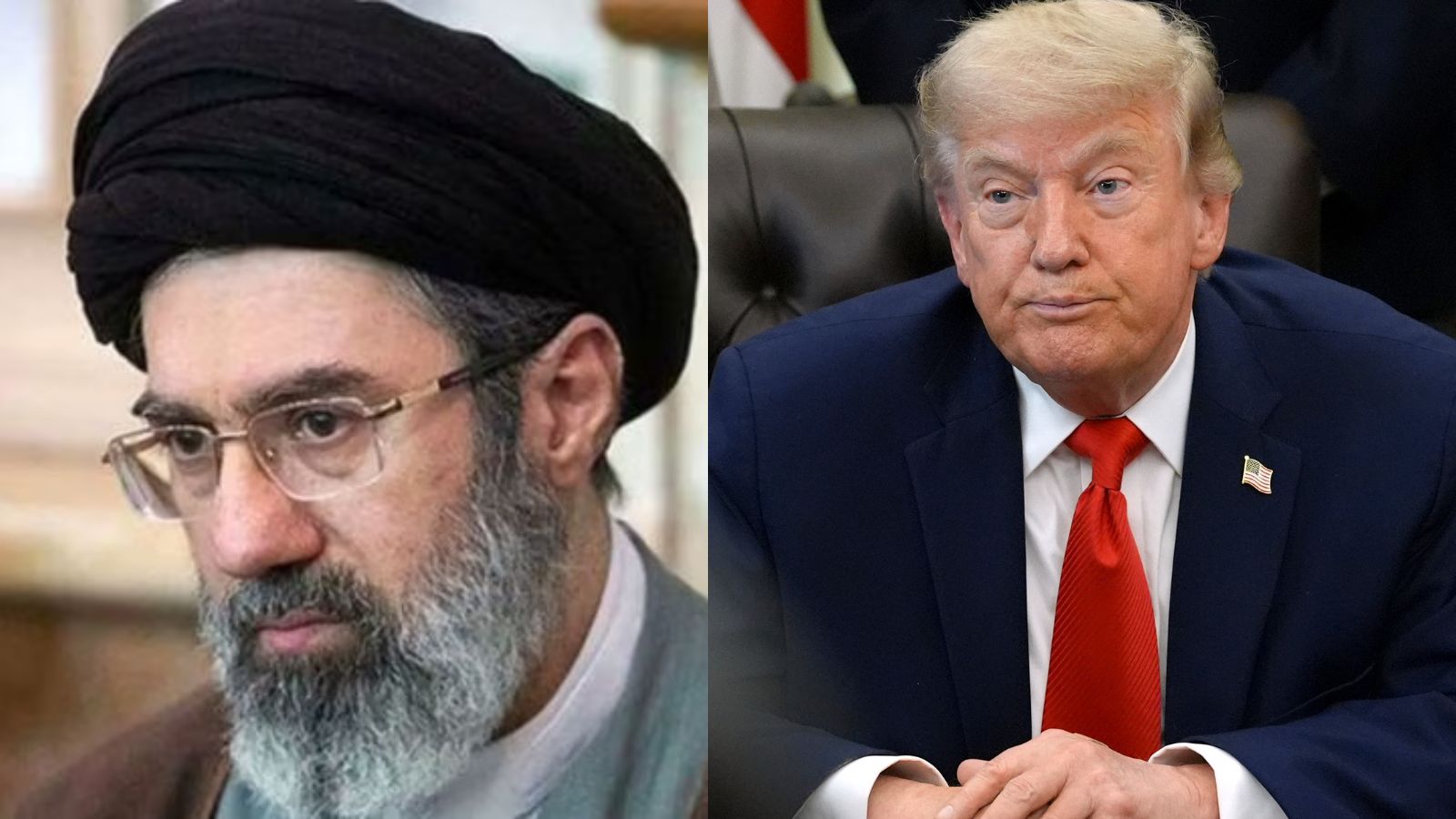
Don't believe every celebratory headline you read about a sudden breakthrough in the Middle East. While rumors of a massive diplomatic deal between Washington and Tehran are swirling, the reality on the ground is far messier than a simple handshake. We are looking at a high-stakes poker game where both sides are leaking details to test the waters, protect their red lines, and manage expectations back home.
The chatter got loud after Iranian state media published what it claimed was a draft memorandum of understanding. Suddenly, talk of billions of dollars in frozen assets and the immediate reopening of the Strait of Hormuz dominated the news cycle. Donald Trump even took to social media, suggesting a massive settlement was practically done and a European signing ceremony was imminent.
But then the predictable backtracking started. Iranian officials quickly called the leaks premature. Trump fired back, calling the leaked terms false. If you want to understand what's actually on the table and why this potential truce is hanging by a thread, you have to look past the political theater.
The Economics of the Truce
At the absolute center of this rumored draft is a massive financial carrot for Tehran. Iranian media outlets, including the Mehr News Agency, loudly broadcasted that the deal includes the phased release of roughly $24 billion in frozen Iranian assets held abroad.
To give you an idea of how desperate Tehran is for this cash, look at their domestic situation. Following months of direct military confrontation, economic blockades, and a crippling 87-day digital internet blackout that cost their economy billions, the Iranian regime is staring down a fiscal abyss. Food prices have skyrocketed, and the local currency is in freefall.
According to the leaked framework, the economic lifeline would roll out like this:
- An initial release of half the frozen funds ($12 billion) before formal negotiations even begin.
- The remaining balance cleared over a 60-day window.
- The temporary suspension of US sanctions on Iranian oil and petrochemical exports.
- The lifting of the US naval blockade on Iranian ports.
Here's the catch. The White House has no intention of handing over billions of dollars upfront without ironclad guarantees. American negotiators want every single dollar tied directly to verifiable compliance. They want a mechanism where funds are drip-fed only after Iran hits specific de-escalation milestones. It's a classic "trust but verify" problem, and honestly, neither side trusts the other a bit.
Reopening the Global Oil Choke Point
If the financial terms are the carrot for Iran, the reopening of the Strait of Hormuz is the prize for the rest of the world. The recent warfare virtually shut down shipping traffic through this vital maritime highway, throwing global energy markets into absolute chaos.
We aren't talking about a minor shipping lane here. Nearly a quarter of the world's oil trade and a fifth of global liquefied natural gas shipments pass through this narrow strip of water. When it closed, global supply chains felt the shockwaves immediately.
The Draft Terms for the Strait: The proposed memorandum demands that the Strait of Hormuz reopen immediately with zero transit fees or tolls imposed on commercial vessels. Iran would be required to clear the mines it deployed during the conflict, allowing shipping volumes to return to pre-war levels within 30 days. In exchange, the US would pull back its naval blockade.
Trump has been adamant on this point. The US will not accept any deal that allows Iran to retain exclusive military control or levy tolls on international shipping. For global markets, getting the oil flowing again is priority number one, but achieving it requires a fragile security balance that could shatter with a single rogue drone.
The 60 Day Nuclear Clock
Assuming the shipping lanes open and the money moves, the draft deal only buys a temporary pause. It establishes a 60-day truce designed to create space for the real headache: Iran's nuclear program.
The previous nuclear framework is dead and gone, having officially expired in late 2025. Since then, and especially after heavy military strikes targeted its facilities over the past year, Iran pushed its uranium enrichment levels to dangerous highs.
The current draft framework attempts to freeze the clock with several critical stipulations:
- Iran must formally reaffirm that it will never develop nuclear weapons.
- Tehran must agree to a mechanism to dispose of or down-blend its highly enriched uranium stockpile inside the country under strict UN supervision.
- Both sides, along with their regional allies, must commit to a total pause in military operations on every front, including Lebanon.
This is where the diplomatic friction gets intense. The Iranian leadership is digging in its heels, insisting through state media that they won't give up their fundamental right to enrich uranium for peaceful purposes. Meanwhile, Washington faces intense pressure from domestic critics who argue the draft is fundamentally flawed because it fails to permanently dismantle Iran's ballistic missile program or curb its regional proxy networks.
Managing the Geopolitical Fallout
Navigating the next steps requires watching what the key players do, not just what they say. If you're tracking the reality of these negotiations, keep your eyes on these specific indicators over the coming days:
Monitor the official statements coming out of neutral mediation hubs like Doha and Islamabad. Pakistani and Qatari officials have been doing the heavy lifting behind closed doors, and their updates usually offer a more realistic picture than the politically charged rhetoric coming straight out of Washington or Tehran.
Watch the shipping insurance rates in the Persian Gulf. Commercial maritime insurance companies don't care about political spin; they care about risk. If these companies start lowering their premiums, it's a definitive sign that real, verifiable de-escalation is happening on the water.
Look for signs of UN inspectors returning to Iranian nuclear sites. True progress won't be confirmed by a photo op in Switzerland. It will be proven when international monitors get hands-on access to verify the status of Tehran's enriched uranium stockpiles.
The framework on the table isn't a final peace treaty. It's a temporary, highly volatile ceasefire masquerading as a grand bargain. Both administrations are facing massive internal pushback, and the margins for error are razor-thin. Whether this draft turns into a signed accord or triggers a return to an even larger conflict depends entirely on who blinks first during this 60-day window.


