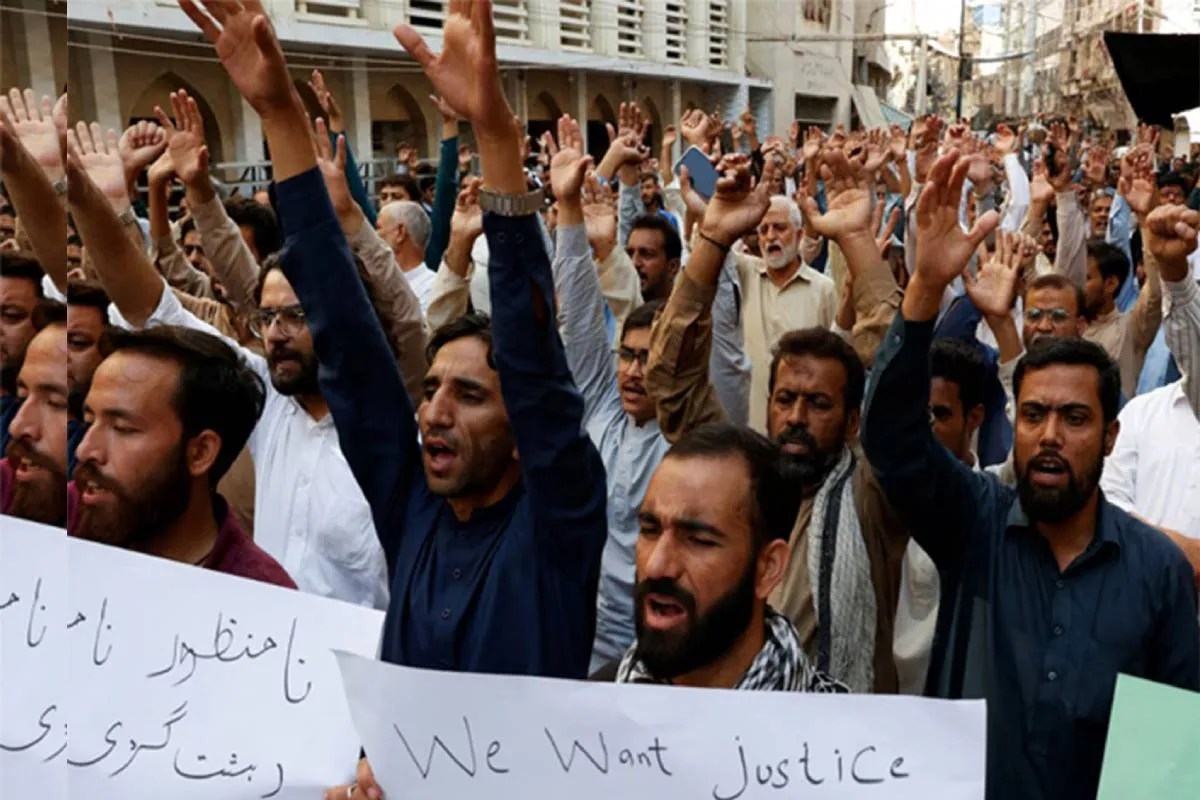
Mainstream news outlets love a good meltdown story. When 200 metro workers get laid off and protesters block the tracks in Pakistan, the headlines write themselves. The media immediately rolls out the predictable narrative: government incompetence, corporate cruelty, and a public transit system on the brink of collapse. They look at a stalled train and see a tragedy.
They are looking at the wrong problem.
The mass layoffs and track protests in Pakistan’s mass transit sector aren't signs of sudden failure. They are the predictable, necessary symptoms of a flawed economic model catching up with reality. For years, regional transit authorities have operated like state-funded charities instead of critical infrastructure. Mass layoffs aren't the disaster; they are the desperate, late-stage correction of a system that forgot how math works.
The Myth of the Sacred Transit Job
Let’s dismantle the loudest complaint first: the idea that laying off hundreds of transit workers is an inherent failure of public policy.
When regional transport authorities scale back bloated payrolls, the immediate reaction is outrage. Protesters hit the tracks, operations grind to a halt, and critics demand immediate reinstatement. But public transit is not a job-guarantee program. It is a mobility mechanism.
In Pakistan's urban transit landscape, political patronage has historically stuffed public corporations with redundant administrative staff. I have audited public-sector infrastructure projects across developing markets, and the pattern is identical everywhere: funds meant for track maintenance, signaling upgrades, and rolling stock optimization are diverted to sustain artificial headcount.
When a transit system spends more on keeping unnecessary desks warm than on fixing the electrical grids powering the trains, the system dies. Laying off 200 workers isn't ruining the metro; it is a bare-minimum attempt to keep the power on. True labor advocacy means ensuring the system survives so it can employ anyone at all five years from now.
The Fatal Flaw of the Cheap Ticket
The public expects mass transit to be fast, modern, clean, and practically free. Choose two. You cannot have all four.
The core vulnerability of mass transit systems like the Orange Line or the metro bus networks in Pakistan is the artificially suppressed farebox recovery ratio—the percentage of operating expenses covered by passenger fares.
| Transit System Metric | The Populist Delusion | The Economic Reality |
|---|---|---|
| Fare Pricing | Subsidized to the point of irrelevance | Must reflect actual energy and maintenance costs |
| Staffing Levels | Maximized for political goodwill | Lean, technically specialized, automated |
| Growth Strategy | Infinite route expansion without funding | Density-focused optimization of existing lines |
When governments freeze ticket prices to appease voters while inflation hits double digits and fuel costs skyrocket, they sign a death warrant for the infrastructure. The gap between what it costs to run the train and what a commuter pays cannot be bridged by wishful thinking. It requires massive state subsidies. And when the state running those subsidies is facing a balance of payments crisis, the money dries up.
The protests on the tracks are a direct result of this financial fiction. By keeping fares artificially low, authorities starved the system of capital. The consequence? Deferred maintenance, broken supply chains for spare parts, and eventually, payroll cuts. The commuters protesting the service disruptions are holding signs against the very financial collapse their unsustainably cheap tickets accelerated.
Dismantling the Populist Questions
Look at the questions routinely asked in public forums and media panels regarding transit strikes:
- "How can the government deprive the working class of affordable transport?"
- "Why can't the state just absorb the losses to keep people employed?"
These questions are fundamentally broken because they assume the state has a hidden vault of cash it is simply choosing not to use.
Let's answer them brutally. The government isn't depriving anyone of transport; the laws of arithmetic are. When a state faces severe fiscal deficits and enters structural adjustment programs with international lenders like the IMF, non-essential subsidies are the first to get axed. Mass transit systems must move toward self-sustainability or they will rot from the inside out.
Absorbing the losses means taking money away from primary healthcare, public education, or sovereign debt servicing. It means printing money, driving inflation higher, and punishing the working class through a hidden inflation tax just to keep a train ticket cheap. That isn't social justice. It is fiscal insanity.
The Threat of the Death Spiral
There is a major risk to taking a hardline approach to transit restructuring, and it is one that free-market purists frequently ignore. It is called the transit death spiral.
When a network cuts staff, defers maintenance, and faces regular strikes, service reliability plummets. Trains run late. Stations become unsafe or filthy. Commuters who have any other option—motorcycles, ride-sharing, informal minibuses—abandon the metro.
As ridership drops, fare revenue plummets even further, prompting more budget cuts, more layoffs, and worse service.
[Service Cuts & Layoffs] ──> [Lower Reliability] ──> [Ridership Drops] ──> [Revenue Plummets] ──> [More Cuts]
To prevent this, management cannot just cut headcount blindly to balance a spreadsheet. They have to shift the entire operational philosophy.
Stop Funding Trains, Start Funding Transit-Oriented Development
If ticket sales cannot cover costs and the government cannot afford subsidies, how does a metro system survive?
The answer lies in changing what a transit company actually does. Successful global transit networks do not make their money solely from moving people from point A to point B. They are real estate powerhouses.
Take MTR Corporation in Hong Kong. They run one of the most profitable transit systems in the world, not because their tickets are expensive, but because they own the land around, above, and below the stations. They develop shopping malls, residential towers, and commercial spaces integrated directly into the transit hubs. The rent from a retail store subsidizes the commute of the passenger walking past it.
Pakistan’s transit authorities treat stations like empty concrete caverns. They view them as liabilities to clean rather than prime commercial assets to monetize.
- Monetize the Foot Traffic: Sell long-term commercial leasing rights for every major station hub to private retail developers.
- Fiber and Utility Corridors: Use the exclusive rights-of-way along the tracks to lay fiber-optic cables and lease that bandwidth to telecommunications firms.
- Ditch the Bureaucracy: Outsource non-core operations—janitorial, ticketing, first-line security—to private contractors through competitive bidding, eliminating permanent pension liabilities from the state balance sheet.
This approach requires giving up the comforting illusion that public transit can exist outside the rules of the market. The track protests and mass layoffs are a violent wake-up call. You can either run a lean, commercially aggressive transit network that stays on the tracks, or you can run a sentimental, subsidized welfare program that ends up parked permanently in a depot. Choose one.