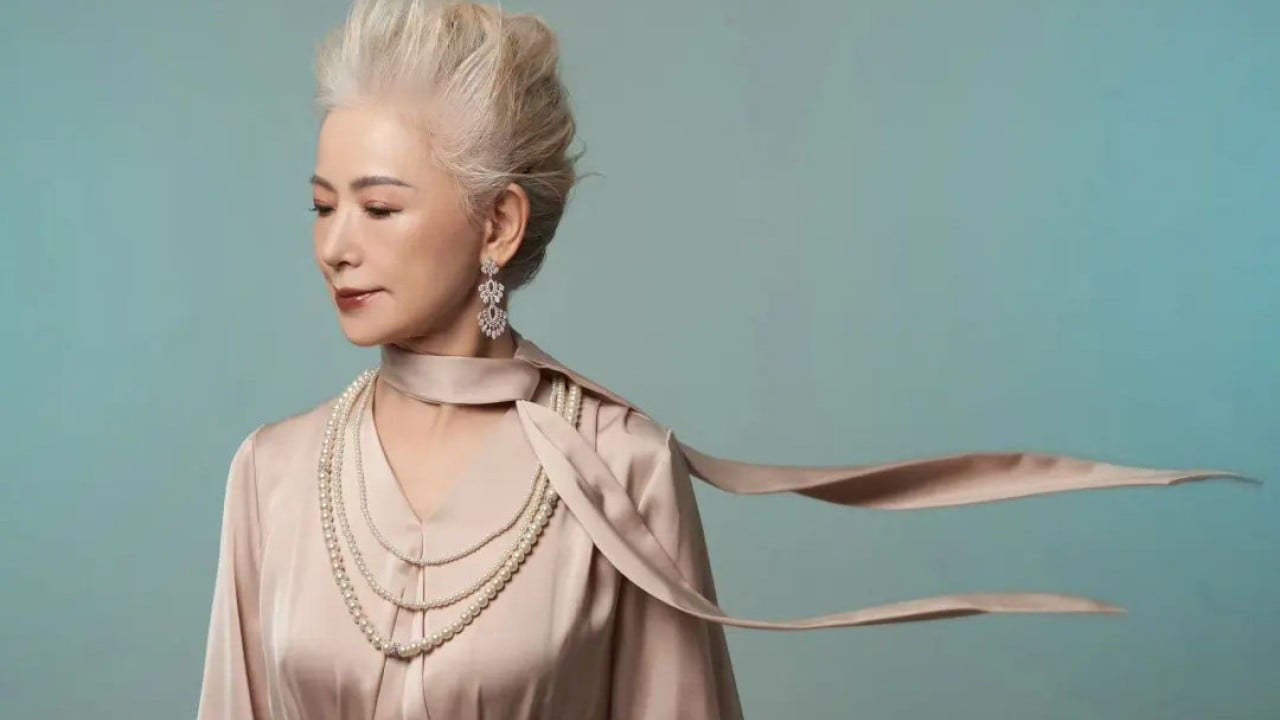
A 74-year-old grandmother steps onto a makeshift runway in Hangzhou, wearing a tailored qipao paired with oversized matrix sunglasses. Within hours, millions of smartphone screens across China light up with her image. The comment sections overflow with praise for her youthful spirit, defiance of aging, and effortless confidence. To the casual scroller, it looks like a wholesome, accidental triumph of the human spirit over biological time. It is not.
Behind the sudden rise of China's viral seniors lies a highly sophisticated, multi-million-dollar multi-channel network (MCN) apparatus that treats aging not as a biological reality, but as a highly bankable aesthetic. Meanwhile, you can read other stories here: Why the Panic Over Marine Fuel Prices Is Pure Boating Myth.
The feel-good narrative pushed by mainstream media outlets skims the surface. They focus entirely on the cultural novelty of elderly women breaking traditional molds. The real story is an aggressive, calculated commercial push engineered by digital marketing agencies. These firms have realized that the "silver hair" demographic holds the keys to an untapped goldmine of consumer trust.
The Industrialization of Senior Influencers
The viral pipeline is rarely accidental. In specialized media incubators across Beijing and Shanghai, talent scouts actively recruit photogenic retirees. These individuals are not tech-savvy creators recording videos on their lunch breaks. They are talent assets. To understand the complete picture, check out the recent analysis by ELLE.
An MCN operates much like a traditional Hollywood studio but at triple the speed. When an agency signs a senior creator, they assign a dedicated team consisting of a director, a scriptwriter, a videographer, and a stylist. The grandmother brings her life experience; the agency brings the algorithms.
[MCN Scout] ➔ [Talent Onboarding] ➔ [Persona Engineering] ➔ [Algorithmic Amplification] ➔ [Live-Stream Commerce]
The content looks spontaneous, but every tilt of the head and witty retort is scripted to maximize viewer retention metrics. The goal is to trigger the Douyin—China's version of TikTok—algorithm within the first three seconds of playback. If a video fails to hit its engagement threshold, the script format is immediately scrapped and reworked.
The economics driving this phenomenon are straightforward. China has one of the fastest-aging populations in the world. By the mid-2030s, the number of people aged 60 and older is expected to top 400 million. This represents a massive shift in economic power. Younger generations face heavy financial pressures, but today’s urban retirees often hold stable pensions, own property outright, and have plenty of leisure time to spend on their phones.
The Psychology of the Silver Screen
Viewers under 30 form a massive part of the audience for these elderly creators. This demographic is exhausted by intense corporate work culture, often referred to as 996 (9 a.m. to 9 p.m., 6 days a week). They look at a fashionable, carefree 74-year-old and see a projection of the retirement they fear they will never achieve.
It is aspirational escapism. The agency deliberately strips away the grim realities of aging—chronic pain, loneliness, and cognitive decline—and replaces them with high-fashion streetwear and choreographed dance routines. It is a highly sanitized, commercially viable version of old age.
Monetizing the Grandparent Premium
High traffic means nothing without conversion. Once a senior creator reaches a critical mass of followers, the monetization engine shifts into high gear.
The primary vehicle for this is live-stream shopping, a market that generates hundreds of billions of dollars annually in China. Traditional Gen-Z influencers face fierce competition and high consumer skepticism. Senior influencers, however, possess a rare commodity: unmanufactured authority.
When a 22-year-old beauty influencer tells an audience that an anti-aging cream works miracles, consumers roll their eyes. When a radiant 74-year-old with smooth skin says the same thing, the shopping carts fill up instantly.
Traditional Influencer ──> High Skepticism ──> Low Conversion Rate
Senior Influencer      ──> High Trust      ──> High Conversion Rate
The Double-Edged Sword of Trust
This built-in trust makes elderly creators incredibly effective at selling high-ticket items. They do not just sell clothing and cosmetics. They sell health supplements, organic foods, luxury travel packages, and even financial planning services.
- Higher Average Order Value: Audiences are willing to spend more per transaction when buying from an older creator.
- Lower Return Rates: The grandmotherly persona fosters a sense of loyalty that discourages buyers from returning products.
- Cross-Generational Appeal: They sell household goods to young professionals and lifestyle products to their peers.
This dynamic creates an ethical gray area. Many elderly followers view these creators as genuine peers or friends. They do not understand that the product recommendations are paid placements negotiated by a corporate entity behind the scenes. The vulnerability of an aging audience is being systematically leveraged for profit.
The Dark Side of the Silver Incubator
The glamorous lifestyle projected on screen often masks a grueling operational reality. Live-stream commerce is a brutal industry. Top-tier hosts frequently broadcast for four to six hours straight, shouting descriptions of products over loud music under intense, hot studio lights.
For a young influencer, this schedule is exhausting. For a septuagenarian, it can be hazardous to their health.
While some high-profile seniors genuinely enjoy the spotlight, others find themselves trapped in demanding corporate contracts. MCN contracts in China are notoriously restrictive. They often include steep non-compete clauses and severe financial penalties for breach of contract. If an elderly creator burns out or wishes to step back, their agency can threaten legal action or demand compensation for the capital invested in building their online brand.
Exploitation in Plain Sight
There is also the question of family dynamics. In several documented instances within the industry, adult children act as the managers for their viral parents. What starts as a fun family project can quickly devolve into a family-run sweatshop. The line between filial piety and financial exploitation becomes dangerously thin when a parent becomes the primary source of household income.
The platform algorithms themselves reward extreme consistency. To maintain visibility, a account must post content daily. This relentless production cycle leaves little room for rest, recovery, or the actual retirement these creators are supposedly celebrating.
A Cultural Rebellion or a Corporate Illusion
It would be cynical to dismiss the entire phenomenon as a corporate scam. There is a genuine cultural shift happening beneath the commercial layer.
For generations, older women in China were expected to fade into the background. They were expected to wear drab clothes, cut their hair short, and dedicate their remaining years entirely to childcare and domestic chores. The "grandma look" was a social uniform of self-erasure.
Traditional Expectation:
Domestic Labor ➔ Self-Erasure ➔ Social Invisibility

Modern Digital Reality:
High Fashion ➔ Self-Expression ➔ Algorithmic Stardom
The senior fashion movement challenges this norm directly. It proves that aging does not require a person to surrender their individuality or aesthetic desires.
The Limits of Algorithmic Empowerment
The empowerment is conditional. It is allowed to exist only because it is profitable. The algorithms do not promote standard 74-year-old grandmothers who live in rural villages or struggle with poverty. They promote wealthy, urban, physically fit seniors who can wear luxury brands and speak with standard accents.
This creates a false standard of aging. It shifts the societal pressure on women from "look young forever" to "age flawlessly and profitably." The senior who cannot afford the skincare, the wardrobe, or the dental work is left feeling twice failed—first by youth, and then by retirement.
The Impending Market Correction
The silver influencer market is currently operating in a regulatory wild west, but change is coming. Chinese internet regulators have steadily increased oversight on live-stream commerce, targeting false advertising, tax evasion, and the exploitation of vulnerable groups.
As the market matures, consumers are also becoming more sophisticated. The novelty of the stylish grandmother is wearing off. Audiences are starting to spot the corporate puppet strings behind the videos. When a viewer realizes that a creator's warm, grandmotherly advice is actually a hard sales pitch written by a 24-year-old copywriter, the illusion shatters.
Brands that rely solely on the gimmick of an elderly model will find their returns diminishing. The future of the silver economy belongs to companies that treat older consumers as complex individuals, rather than a demographic trend to be mined by digital talent agencies.
The 74-year-old grandmother on the Hangzhou runway will eventually step off the stage. The lights will dim, the cameras will turn off, and the MCN will look for the next face to feed the algorithm. The digital economy waits for no one, no matter how graceful their stride.