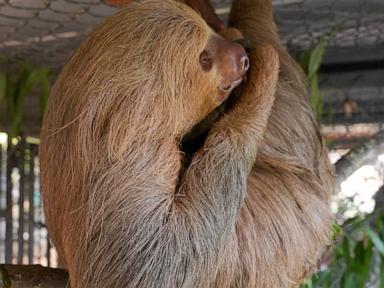
Central Florida’s wildlife community is reeling after a second sloth died shortly after being moved from the controversial Sloth World facility. This isn't just a streak of bad luck. It’s a systemic failure in how we handle animal transfers and a glaring indictment of the conditions at the original site. When a creature as delicate as a sloth gets caught in a legal and logistical tug-of-war, the animal always loses.
The latest death happened at the Central Florida Zoo and Botanical Gardens. This sloth was part of a group seized or transferred from Sloth World, a facility that's been under fire for months. Critics and inspectors have pointed to a laundry list of issues at Sloth World, ranging from inadequate veterinary care to structural problems with enclosures. Now, we're seeing the fallout. Two animals are dead. The public wants answers, and the zoo is left holding the bag for a crisis they didn't create.
The Brutal Reality of Sloth Stress
Sloths look like they're just chilling. They aren't. They’re high-strung biological machines with incredibly slow metabolisms. This makes them terrible candidates for sudden changes. When you move a sloth, you aren't just shifting its physical location. You’re upending its internal chemistry.
Their digestive systems can take up to thirty days to process a single meal. If a sloth gets stressed during a move, its gut can basically shut down. By the time a keeper notices something is wrong, the damage is often irreversible. The sloth that just died in Central Florida showed signs of decline that experts often see in animals coming from "high-stress" backgrounds. If the baseline health of the animal was already compromised at Sloth World, the stress of the move acted like a final blow.
It’s easy to blame the new facility, but that’s lazy thinking. The Central Florida Zoo has a solid track record. They have the staff and the gear. The problem is the "pre-existing condition" of these animals. If a sloth has been living in a sub-par environment for years, its immune system is a house of cards. One gust of wind—one truck ride to a new city—and the whole thing collapses.
What Went Wrong at Sloth World
To understand why these deaths are happening, you have to look at where these animals started. Sloth World wasn't just a quirky roadside attraction. It was a facility that repeatedly failed to meet basic standards set by the USDA. Inspections revealed issues that would make any animal lover's blood boil.
We're talking about poor sanitation. We're talking about a lack of qualified medical staff. When an animal lives in those conditions, it develops "hidden" illnesses. Parasites, respiratory infections, and nutritional deficiencies don't always show up on a quick visual check. They simmer. They wait.
The authorities finally stepped in, but for some of these sloths, it was too little, too late. The legal battle to get these animals out of there took time. Time is something a sick sloth doesn't have. Every day spent in a failing facility is a day closer to a terminal diagnosis.
The Logistics of Wildlife Rescue Failures
Moving a regular pet is hard enough. Moving a specialized exotic animal requires a level of precision that most people can't wrap their heads around. You need climate-controlled transport. You need specialized crates. You need a vet who knows exactly what a sloth's blood work should look like under pressure.
The Central Florida Zoo followed the book. They did the quarantine. They did the exams. But you can't fix months or years of neglect in a week. There’s a limit to what modern veterinary medicine can do when an animal has essentially given up.
People think "rescue" means the happy ending. It doesn’t. In the world of wildlife rehabilitation, "rescue" is often just the start of a desperate, uphill battle to keep a heart beating. The death of this second sloth proves that the damage done at Sloth World was deep. It was structural.
The Legal Gap in Animal Protection
Why was Sloth World allowed to stay open as long as it did? That’s the question everyone should be asking. The USDA and local wildlife agencies have rules, but the enforcement is often toothless. Facilities get cited, they pay a small fine, and they keep operating.
It’s a cycle of "fix it later" that eventually leads to a body count. We need stricter immediate-action triggers. If a facility fails three inspections in a year, the animals should be moved immediately. Waiting for a legal "perfect moment" results in dead sloths.
The current system prioritizes the business rights of the owner over the survival of the animals. We see it time and again with big cats, primates, and now, these sloths. By the time the lawyers finish arguing, the subjects of the lawsuit are being sent to a necropsy lab. It’s a disgrace.
How to Spot a Failing Animal Facility
If you’re a tourist or a local, you have power. You're the one funding these places. You need to know what a "red flag" looks like before you buy a ticket.
- Look at the water. Is it green? Is it slimy? If they can't keep a water bowl clean, they aren't checking the animal’s health.
- Check the smell. A healthy zoo smells like hay and dirt. A failing one smells like ammonia and rot.
- Watch the keepers. Do they look overwhelmed? Are there enough of them? A skeleton crew means the animals are being ignored.
- Read the USDA reports. They’re public record. If a place has more than two "critical" violations in a year, stay away.
Fixing the Rescue Pipeline
We can't keep letting "troubled" facilities dump their dying animals onto reputable zoos. It ruins the reputation of the good guys and traumatizes the staff who have to watch these animals die.
There needs to be a dedicated federal fund for emergency wildlife seizures. Currently, when a place like Sloth World goes under, the animals are parceled out to whoever has space. This leads to rushed transfers and uneven care. A centralized, well-funded "mid-way" house for seized exotics would allow for a longer stabilization period before they go to their forever homes at places like the Central Florida Zoo.
Don't just feel bad for the sloths. Demand better legislation. Write to your representatives about the Animal Welfare Act. Support the zoos that are actually doing the work, like the Central Florida Zoo, which is now dealing with the emotional and financial cost of someone else's mess.
The next step isn't just a mourning period. It’s an audit. We need to look at every single animal still remaining from the Sloth World population and assume they're all at risk. Immediate, intensive medical intervention is the only way to prevent a third death.


