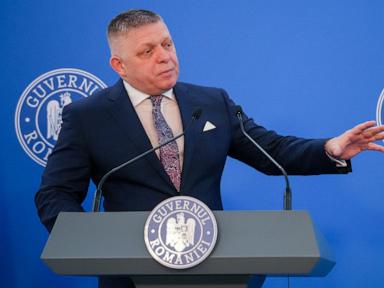
Slovak voters are heading to the polls this July to decide if their politicians deserve a gold-plated retirement. It's a high-stakes referendum that strikes at the heart of a nation's anger. At the center of the storm is the "Lex Atentat"—a package of laws passed after the May 2024 assassination attempt on Prime Minister Robert Fico. While the government framed these rules as essential security measures, the public sees a massive grab for cash and privilege.
I've watched political leaders across Europe try to insulate themselves from the consequences of their actions, but what's happening in Bratislava is different. It’s personal. The referendum isn't just about a budget line item. It’s a trial of the government’s soul. You’re looking at a country where the cost of living is biting hard, yet the ruling class just voted themselves a salary that never ends.
The Lex Atentat and the price of safety
When Robert Fico was shot in Handlová, the country was shocked. It was a dark moment for European democracy. However, the legislative response, dubbed Lex Atentat, went far beyond bulletproof glass and extra bodyguards. One of the most controversial clauses grants a lifelong salary to the Prime Minister and the Speaker of Parliament, provided they serve at least two terms.
For Fico, who is currently in his fourth term, this is a guaranteed jackpot. He's the first to qualify. Critics aren't just annoyed; they're livid. The law also includes free housing for the "Big Three"—the President, the PM, and the Speaker—along with enhanced surveillance powers that some say look a lot like a crackdown on dissent.
The government argues these payments prevent former leaders from being "bought" by private interests after they leave office. It's a weak argument when you consider the average Slovak pension is a fraction of what these lifelong payments would cost the taxpayer. You don't solve corruption by overpaying the people most likely to be tempted by it.
A referendum born from the streets
This July vote didn't happen because the government felt like being democratic. It happened because the opposition and civil society groups didn't let up. They gathered hundreds of thousands of signatures while the government was busy pushing through a 23rd constitutional amendment that focused on "traditional values" and "national identity."
The political climate in Slovakia right now is basically a tinderbox. We've seen mass protests throughout 2025 and early 2026. People are tired of the "us vs. them" rhetoric. They’re tired of seeing a government that prioritizes its own comfort while implementing "fiscal consolidation" packages—code for higher taxes and fewer public holidays for everyone else.
If you think this is just about money, you're missing the point. It's a proxy war over the rule of law. The Fico administration has already dismantled the Special Prosecutor's Office and revamped the penal code to shorten statutes of limitations for corruption. For many Slovaks, the lifelong payment is the final insult. It’s a "thank you" note from Fico to Fico, written on the public’s checkbook.
Why the July timing matters
Choosing July for a referendum is a classic political move. People are on vacation. They’re at the Tatra mountains or the Croatian coast. Lower turnout usually favors the status quo. In Slovakia, a referendum is only valid if more than 50% of eligible voters participate.
The government is betting on apathy. They want you to stay at the lake instead of going to the ballot box. But the anger this time feels different. We’re seeing a pre-election fever even though the general elections aren't until 2027. This referendum is the ultimate temperature check.
Breaking down the costs
If the "No" side wins and the lifelong payments are scrapped, it won't fix the national debt overnight. But it’s the symbolism that matters.
- The Monthly Check: Former leaders would receive a monthly payment equal to a parliamentary salary—roughly 3,000 to 5,000 Euros depending on bonuses.
- The Perks: This often includes a car and a driver, which adds thousands more in annual maintenance and fuel.
- The Precedent: If this stays, every future leader will be incentivized to cling to power for those two terms just to hit the "retirement" button early.
Honestly, it’s a slap in the face to teachers and healthcare workers who have been striking for better pay for years. The government claims there’s no money for wage hikes, but they found plenty for the "Lex Atentat" benefits.
What happens if the referendum fails?
If the turnout stays below the 50% threshold, the law remains. Fico and his allies will claim a "silent majority" supports them. This would embolden the coalition to move forward with even more restrictive measures, possibly targeting NGOs or further tightening the grip on public media.
On the flip side, a successful "Yes" vote—meaning a vote to cancel the payments—would be a catastrophic blow to the government's authority. It would prove that despite the polarization, there is a clear limit to what the Slovak public will tolerate.
You should keep an eye on the Constitutional Court as well. There’s already talk about whether the referendum’s wording is even legal under the current constitution. It’s a mess of legal jargon and political theater that only serves to confuse the average person.
Your move as a voter or observer
If you're in Slovakia, the next few months are about mobilization. Don't let the July heat keep you away. The biggest mistake people make is thinking their single vote doesn't matter in a referendum. In a 50% turnout requirement system, every single person who stays home is effectively voting for the government.
Check your local registration. Make sure you know where your polling station is before you leave for summer break. If you're watching from abroad, this is the blueprint for how "illiberal" democracies consolidate power. They don't do it with tanks anymore; they do it with pensions, housing allowances, and "security" laws.
Slovakia is at a crossroads. One path leads to a transparent system where public service is a duty, not a lottery win. The other leads to a permanent political class that is completely insulated from the reality of the people they lead. The July referendum will decide which path the country takes.
Stop waiting for a "better time" to get involved. The government is counting on your exhaustion. Don't give it to them.


:strip_icc()/pic2513216.jpg)