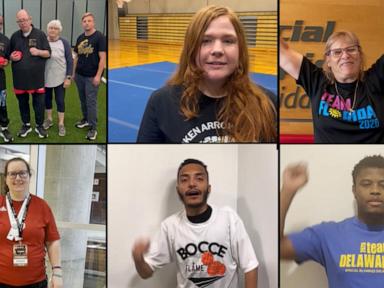
We love to talk about grit in sports. We obsess over the morning workouts of NBA players or the diet of Olympic swimmers. Yet, the most intense athletic stories on the planet don't happen on prime-time television. They happen when athletes with intellectual disabilities take the field, track, or pool.
If you think the Special Olympics is just a feel-good community event where everyone gets a participation trophy, you're dead wrong. It's a highly competitive arena. The training is brutal. The stakes are massive. The athletes are fiercely competitive human beings who want to win just as much as any professional athlete.
Let's clear up what really happens behind the scenes and look at the real impact of these competitors.
The Misconception of Casual Play
People often mistake the Special Olympics for a casual recreation program. It's an easy mistake if you only watch a ten-second news clip once every four years. The reality is that qualifying for a national or world game requires years of grinding.
Athletes don't just show up and get a jersey. They compete in local advancement cycles, meet strict regional times, and maintain demanding training schedules.
Take a look at the sheer scale of the movement. Worldwide, more than 4.6 million athletes and Unified partners train year-round. They compete in over 100,000 games and competitions annually. That isn't a weekend hobby. It is a massive global athletic network operating under rigorous international sporting rules.
When you watch Special Olympics athletes compete, you aren't watching a charity case. You are watching elite performers who have learned to master their bodies and minds under intense pressure.
Meet the Competitors Defying the Odds
You can't understand this movement without looking at the individual stories of the people who make it happen. These aren't just names on a roster. They are icons in their own right.
Loretta Claiborne
Born partially blind and unable to walk or talk until she was four years old, Loretta Claiborne faced a world that expected nothing from her. She turned to running to channel her anger and frustration.
The results speak for themselves. She has completed the Boston Marathon twice, placing in the top 100 female finishers. She holds multiple gold medals from the Special Olympics World Games across various events, including the mile run and the half marathon. In 1996, she won the Arthur Ashe ESPY Courage Award. She didn't just cross finish lines. She smashed every limitation society tried to place on her.
Chelsea Werner
Gymnastics requires an immense amount of core strength, balance, and body control. For Chelsea Werner, who has Down syndrome, doctors initially thought low muscle tone would limit her physical abilities.
Werner ignored the doubts. She trained for up to 16 hours a week. When her local region cut its gymnastics program, her family created a nonprofit to keep her training alive. She went on to win multiple national Special Olympics titles and even performed as a guest at the NCAA women's gymnastics championships. Her story is a masterclass in refusal to quit.
Muskan Garg
Powerlifting is about raw power and mental toughness. Muskan Garg, an elite powerlifter representing Special Olympics Bharat, found her voice through the barbell.
Growing up with an intellectual disability in an environment where people openly questioned her value, Garg used sports to gain complete independence. She transitioned from a dependent child to a confident young woman who travels independently for weeks during major tournaments. Her strength isn't just measured by the weight on the bar, but by how she transformed her life.
The Real Medical Deficit the Games Address
The impact goes far beyond the sports field. One of the biggest secrets of the organization is its role as a massive global healthcare provider.
People with intellectual disabilities face massive health disparities. Doctors often lack training to treat them properly. Routine issues go undiagnosed, leading to preventable suffering.
During major events like the USA Games, the Healthy Athletes program sets up large-scale medical operations. Volunteer medical professionals provide tens of thousands of free screenings across critical areas like dentistry, vision, audiology, and physical therapy.
Data shows that these screenings change lives. Volunteers frequently catch severe, untreated conditions right on site. It turns out that sports are the hook that brings people into a system that finally takes their health seriously.
How Unified Sports Alters the Equation
The old way of thinking was simple. Put athletes with disabilities in one corner and neurotypical athletes in another. That model is outdated.
The rise of Unified Sports changed everything. This program puts athletes with and without intellectual disabilities on the same team. They play soccer, basketball, and floor hockey together as true peers.
It isn't about being nice to someone. It's about learning how to win together.
Research shows this approach works. A massive European study on Unified football showed that over half of the participants felt significantly better about themselves after playing. Even better, youth who participate in these programs show an immediate increase in their willingness to interact with peers with disabilities outside of sports. It replaces pity with genuine respect.
The Next Steps for True Supporters
Stop looking at these athletes as objects of inspiration. Treat them like the competitors they are. If you want to support the movement, don't just click like on a video clip.
Get involved locally. Look up the Unified Sports leagues in your city. Volunteer as a coach, an official, or a fan in the stands. Attend a local meet and cheer for the athletic skill on display, not just the sentimentality of the event.
The athletes are putting in the work every single day. They deserve an audience that respects their sweat as much as their spirit.