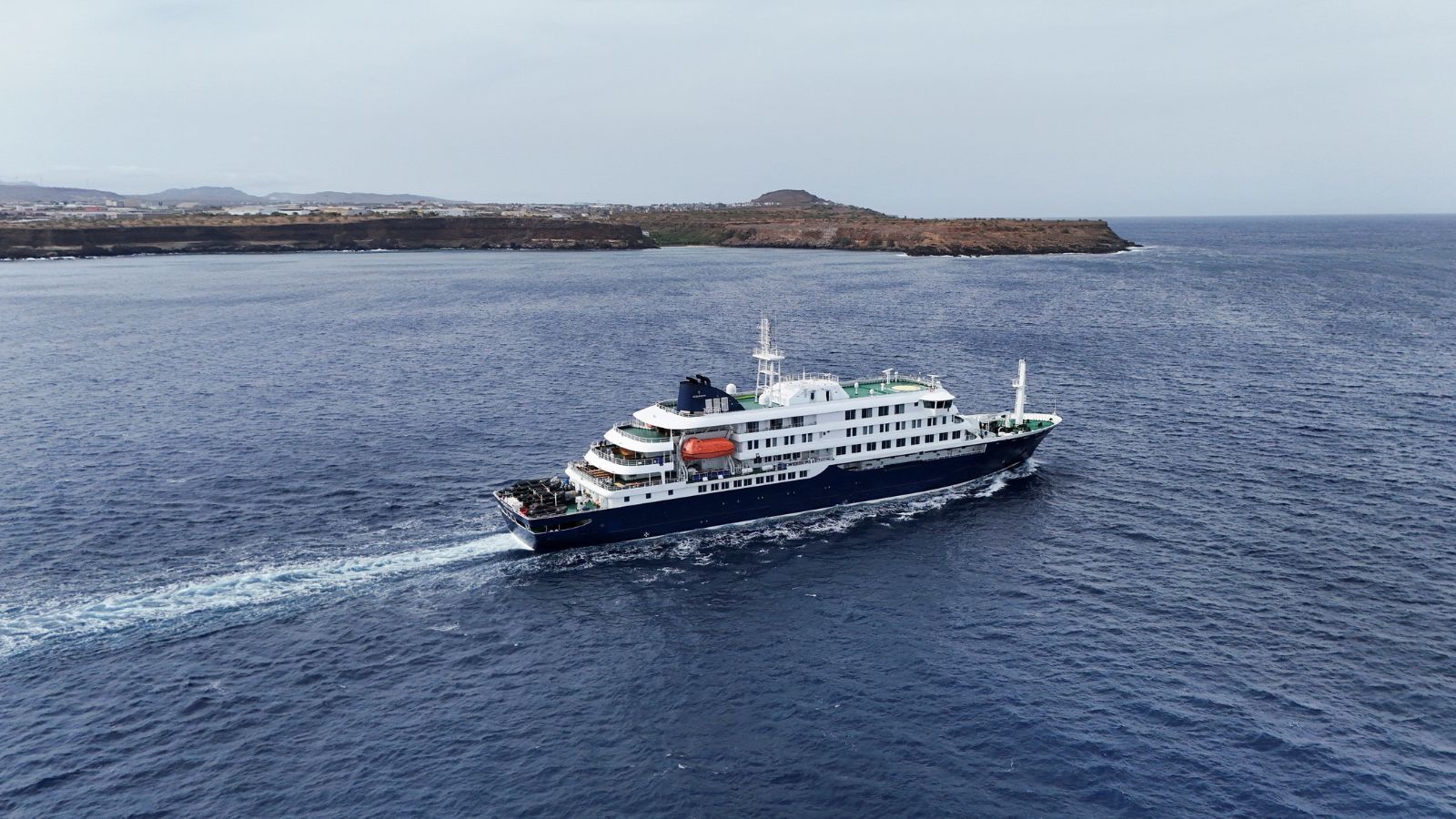
Stop looking at the cruise ship. Start looking at the mice.
The headlines currently screaming about contact tracing for Hantavirus on St. Helena are peddling a fundamental misunderstanding of virology. They want you to believe we are one buffet line away from a global outbreak. They want you to think that tracing a passenger’s movements across a remote volcanic island is the "decisive action" needed to save the population.
It isn't. It’s expensive, bureaucratic performance art.
If you’ve spent any time in infectious disease logistics, you know the drill. A high-profile pathogen hits the news, the public panics, and health departments start burning through budgets to track "contacts" for a virus that doesn't even spread from person to person.
The Biology of a Ghost
Hantavirus is not the flu. It is not COVID-19. It is not even Ebola.
With the exception of the Andes virus strain in South America—which is an extreme outlier—Hantavirus is a dead-end infection in humans. It is a zoonotic spillover. You get it from breathing in aerosolized bits of rodent urine, droppings, or saliva. You do not get it from sitting next to an infected passenger at the Captain’s Dinner.
Tracing the "contacts" of a cruise passenger for Hantavirus is like tracing the contacts of someone who got hit by lightning to see who else might get electrocuted. It ignores the source.
The source is the environment. If a passenger contracted Hantavirus, they didn't get it from a fellow traveler. They got it from a rodent reservoir. By focusing on the people, health officials are ignoring the pests. Every hour spent interviewing a shopkeeper who sold a postcard to an infected tourist is an hour not spent testing the local rodent population or inspecting the ship’s cargo holds.
The Myth of Remote Safety
St. Helena’s isolation is its brand. It’s the ultimate escape. But isolation creates a specific type of institutional fragility. When a "scary" virus arrives, the impulse is to lock down, trace, and isolate.
But Hantavirus thrives in the gaps of these very systems.
I have seen government agencies waste millions on contact tracing for non-communicable threats because it’s the only play they have in their playbook. It makes for a great press release: "Authorities Are Taking All Necessary Precautions." It looks like leadership. In reality, it’s a distraction from the harder, dirtier work of vector control.
If you want to protect St. Helena, or any port of call, you don't need a clipboard-wielding health official asking who someone talked to at 4:00 PM on a Tuesday. You need a sanitation engineer and a biologist. You need to know which species of Muridae or Cricetidae are hitching rides in shipping containers.
The High Cost of False Certainty
We have become addicted to the "Contact Tracing" solution. Since 2020, it has become the default setting for every public health scare. But when you apply the wrong tool to the wrong virus, you erode public trust.
When the results inevitably come back negative—because, again, the virus doesn't spread between humans—the health department will take a victory lap. They will claim their "vigilance" stopped the spread.
That is a lie. The biology of the virus stopped the spread.
By taking credit for a natural biological limit, these agencies set themselves up for failure when a truly communicable threat arrives. They train the public to expect a specific type of intervention that is useless against the very thing they are trying to prevent.
The Cruise Industry’s Silent Complicity
Why isn't the cruise line screaming from the rooftops that their passengers aren't a threat to each other?
Because they’d rather you look at the health department than at their maintenance logs. Cruise ships are floating cities with complex waste management systems. If Hantavirus is present, it means there is a rodent issue. That is a PR nightmare far worse than a "mysterious virus" that the government is handling.
The industry allows the "contact tracing" narrative to persist because it shifts the blame to the individual passenger's movements rather than the ship's sanitary standards. It’s a convenient shield.
Why Your Risk Assessment is Broken
People see a 35% to 40% mortality rate for Hantavirus Pulmonary Syndrome (HPS) and they lose their minds. They should. It’s a terrifying way to die. Your lungs fill with fluid; you essentially drown on dry land.
But risk is Hazard x Exposure.
- The Hazard: High. If you get it, you’re in trouble.
- The Exposure: Near zero for 99% of the population.
Unless you are sweeping out a dusty, rodent-infested cabin or handling nesting materials with your bare hands, you are not at risk. Walking past a sick person on a pier in St. Helena does not constitute exposure.
Stop Asking the Wrong Questions
The media asks: "How many people did the passenger interact with?"
The public asks: "Am I safe to go to the market?"
Both are the wrong questions.
The right question is: What is the rodent density in the last three ports of call, and what are the specific species involved?
If we aren't talking about the Peromyscus maniculatus (deer mouse) or its regional equivalent, we aren't talking about Hantavirus. We’re just talking about fear.
The Counter-Intuitive Reality
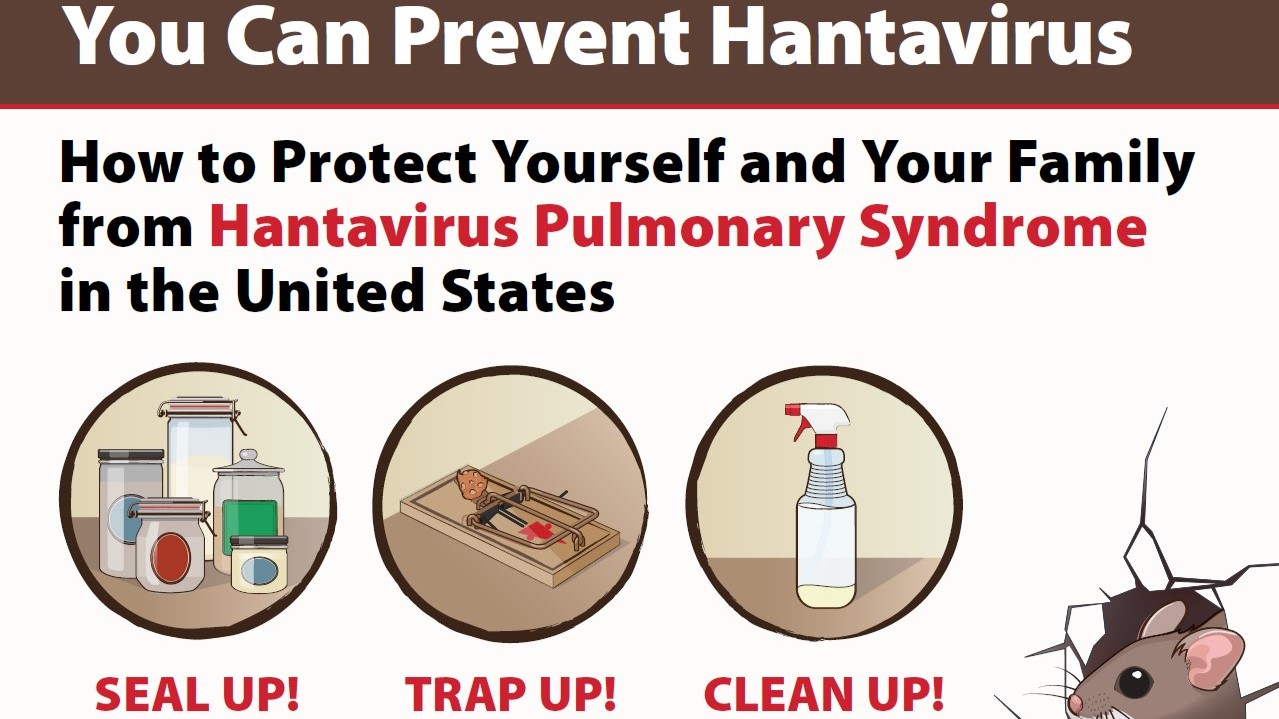
If you find yourself in a region where Hantavirus is a concern, stop worrying about the people. Wash your hands, sure—that’s just good life advice. But more importantly, seal your food. Don't stir up dust in enclosed spaces. If you see a mouse, don't play with it.
The "status quo" of public health relies on the idea that humans are always the primary vector. It’s a narcissistic way to view pathology. Most of the things that can kill us don't actually care about us. We are accidental victims of an animal cycle that has been spinning for millions of years.
Contact tracing for a non-human-to-human virus is the height of human arrogance. It’s an attempt to organize the chaos of nature into a spreadsheet. It doesn't work, it doesn't help, and it’s a waste of the very resources that could be used to actually find the source.
Put the clipboards away. Get the traps out.
Burn the playbook and follow the biology, not the headlines.