You can't make this up. A global corporate giant with over 2,000 stores in one of its most profitable markets decides to run a discount promotion for plastic tumblers. Within days, the CEO is fired, the parent company chairman is bowing on national television, and government ministries are pulling their contracts.
This isn't a hypothetical business school case study. It's the reality Starbucks Korea is facing right now.
What went wrong? The company launched an aggressive sales campaign called Tank Day on May 18. If you don't know South Korean history, that date sounds like any other Monday. To locals, it's a day of profound grief. May 18 is the anniversary of the 1980 Gwangju Uprising, a democratic movement where the ruling military dictatorship deployed actual army tanks and troops to massacre hundreds of civilian protesters.
To make a bad situation catastrophic, Starbucks paired the Tank Day title with a promotional slogan: "Put it on the table with a tak sound." That phrase directly echoes the infamous 1987 police cover-up of the torture and murder of student activist Park Jong-chul. Back then, authorities claimed the boy died because investigators simply slammed the desk with a tak sound, causing his heart to stop.
The Toxic Intersection of Corporate Tone-Deafness and AI
When the public exploded in fury, people demanded to know how such an offensive campaign could possibly get approved. The answer from the internal corporate investigation is a terrifying look into modern corporate laziness.
The campaign was built to fill a sudden revenue gap after a larger summer event got pushed back. A five-member e-commerce team, mostly young employees in their 20s and 30s, turned to artificial intelligence for fast ideas. They wanted speed. They needed content immediately.
The team leaned heavily on generative tools to spin up concepts for their large-capacity tumbler line, which was technically cataloged under the name Tank by regional headquarters. The AI spit out Tank Day for May 18. The team ran with it. They claimed they were thinking about a water tank, completely oblivious to the military association with that specific date. They also missed that the tumbler's specific 503ml capacity perfectly matched the high-profile inmate number of disgraced former President Park Geun-hye.
The rot didn't stop with the junior staff. The proposal cruised through four separate layers of management and was signed off by ten different executives. Some of the managers admitted they approved the email campaign without even opening the attached design files. Routine bureaucracy replaced actual human oversight. The legal compliance review process was completely bypassed.
The Financial and Political Bleeding
The fallout has been swift, brutal, and expensive. Starbucks Korea isn't just a corporate outpost; it's a massive operation majority-owned by Emart, a subsidiary of the retail giant Shinsegae Group. Singapore’s sovereign wealth fund, GIC, owns the remaining slice.
Since the scandal broke, the financial metrics have turned ugly.
- Resale Collapse: On popular secondhand trading apps like Danggeun, the value of 50,000-won Starbucks gift cards crashed overnight. Usually traded at a tight 5% discount, they are now being dumped at massive discounts exceeding 12% as consumers scramble to get rid of them.
- Stock Market Hit: Shares of parent company Shinsegae dropped more than 2% in mid-afternoon trading following the public disclosure of the internal probe.
- Institutional Boycotts: The Ministry of Interior condemned the campaign as an anti-historical act and immediately banned Starbucks products and gift vouchers from all government events. The Defense Ministry followed suit, freezing a high-profile partnership project that provided beverages to military personnel.
The political world is completely aligned against the brand. South Korean President Lee Jae Myung went public on X, calling the promotion the inhumane conduct of low-grade peddlers who deny basic human rights.
When Context is Everything
Global brands always struggle with localization, but this goes way beyond a bad translation. It's a fundamental failure to respect the emotional landscape of a nation. The Gwangju Uprising isn't ancient history in South Korea. It's a living, breathing political memory.
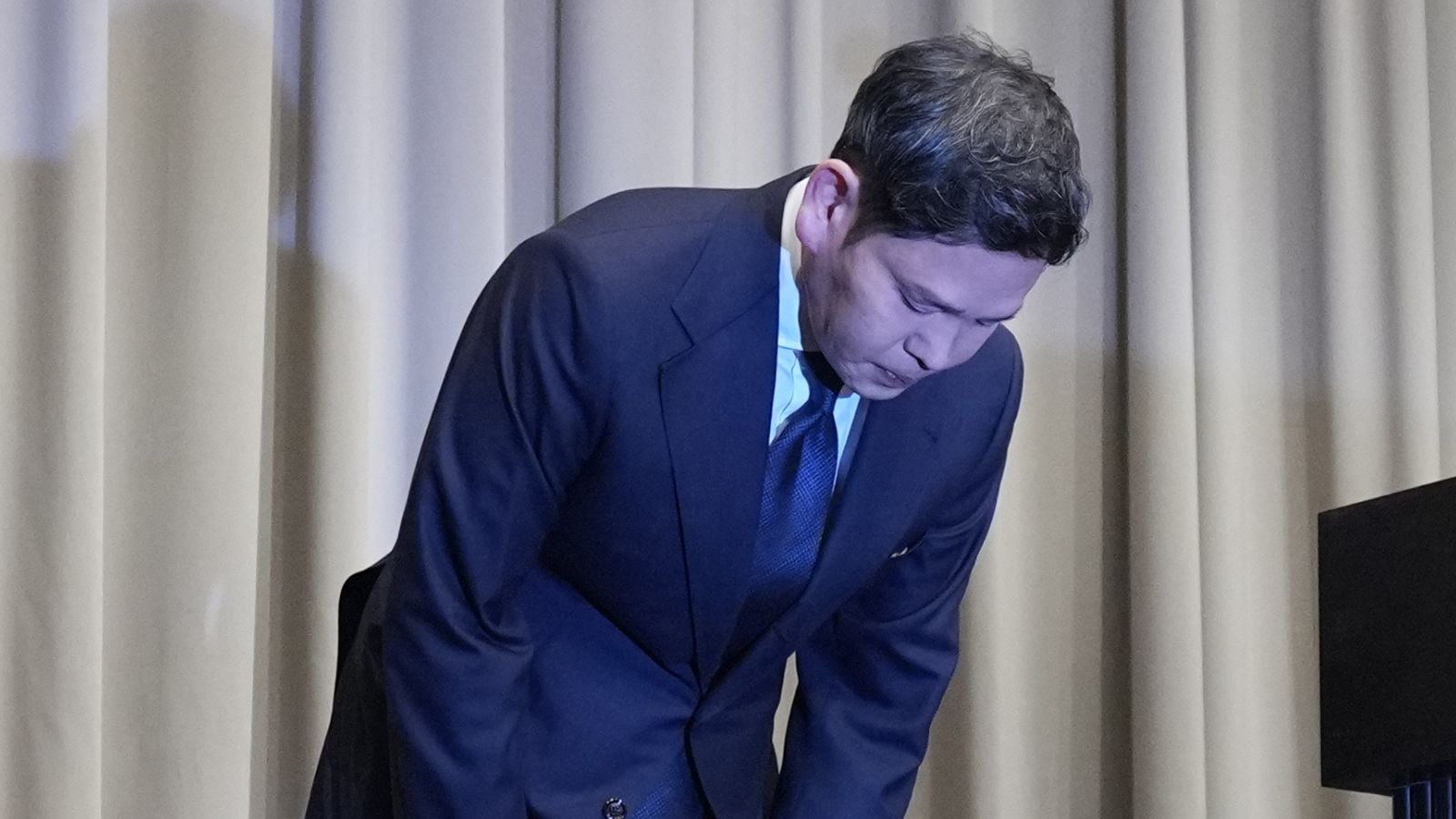
The corporate leadership tried to contain the fire by firing Starbucks Korea CEO Son Jeong-hyun, but it wasn't enough. Shinsegae Group Chairman Chung Yong-jin had to step in front of cameras for a second televised apology, bowing deeply to the victims' families and the public.
The lesson here is simple. If you rely blindly on automation and speed over local context, you risk destroying decades of brand equity in an afternoon. No amount of automated workflow can replace a human being with an understanding of history and culture.
If your business operates in international markets, pull your teams together today. Review your marketing pipelines. Force your executives to actually look at what they are signing off on. Make historical and cultural compliance a mandatory checklist item, not an optional review. If you don't, your brand might be the next one apologizing on the nightly news.