The media consensus surrounding Starbucks Korea is predictably lazy. If you read the mainstream financial press, you are told a comforting, familiar story: a multi-billion-dollar corporation fell victim to an astonishingly tone-deaf marketing oversight. We are asked to believe that a regional corporate office coincidentally paired an oversized "Tank" tumbler discount with the May 18 anniversary of the 1980 Gwangju military massacre. We are asked to believe that appending the slogan "Thwack it on the table!"—the exact, infamous phrase used by 1987 authoritarian police to cover up the torture-killing of student activist Park Jong-chol—was just an accidental sequence of words cooked up by junior copywriters.
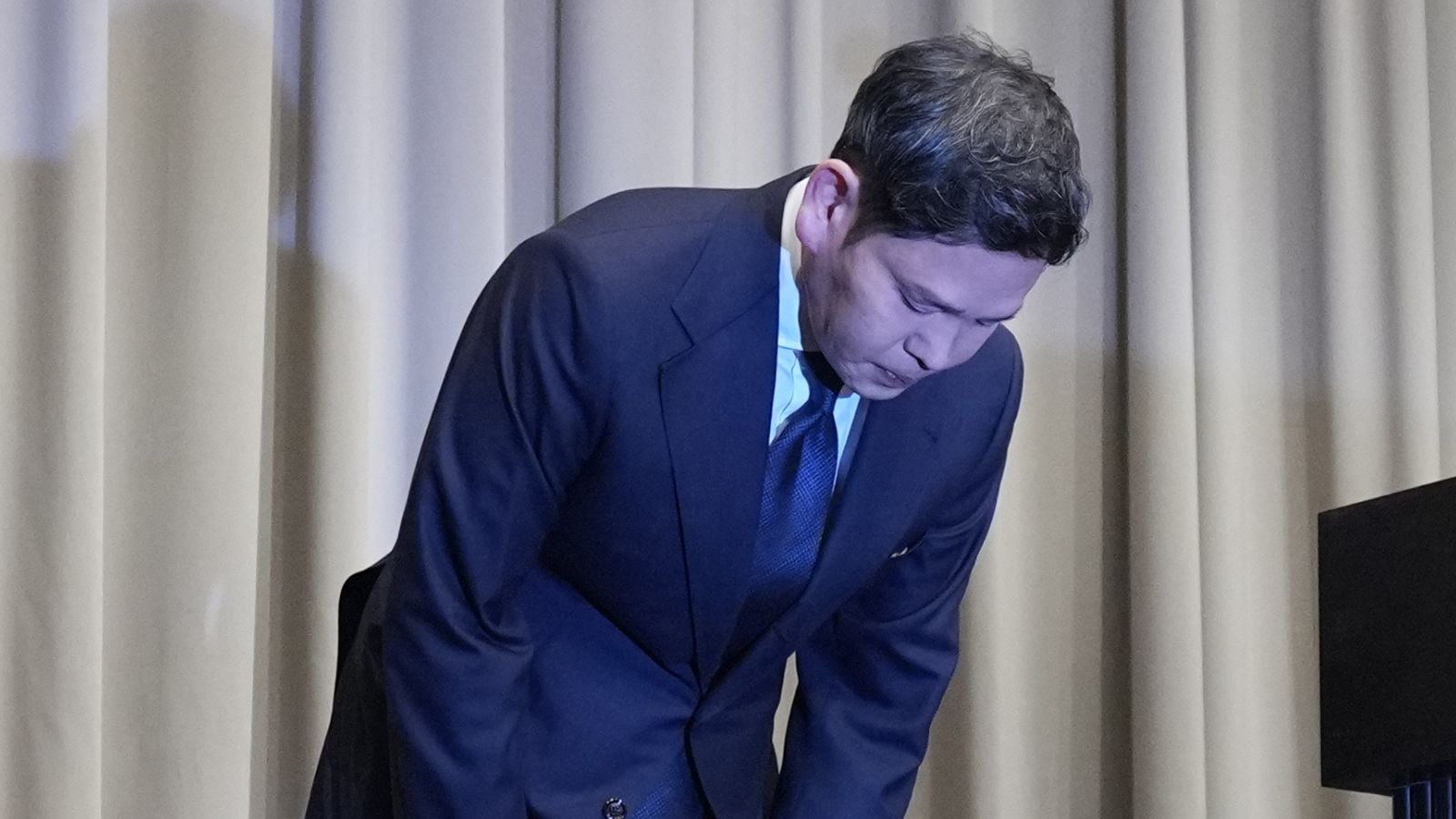
It is a comforting narrative because incompetence can be fixed. You fire the CEO, you issue a public apology, you have your billionaire chairman bow three times before a televised press corps, and you promise "sensitivity training."
But I have spent two decades analyzing corporate crises and operating within highly charged international markets. I know what structural malice looks like, and I know how cowardly executives hide behind the shield of cluelessness when caught playing footsie with political extremism.
The mainstream press missed the entire story. This was not a failure of oversight. It was the predictable, explosive byproduct of a corporate culture infected by online radicalism, weaponized by a right-wing billionaire chairman, and hidden inside a multi-billion-dollar joint venture where the American parent company has zero actual control.
The Myth of the Careless Copywriter
Let us dismantle the statistical impossibility of the "coincidence" defense.
In South Korea, May 18 is not just a date on a calendar. It is a foundational pillar of modern democratic identity. To launch a promotion called "Tank Day" on May 18 requires bypassing every single cultural, corporate, and legal tripwire in the country. To double down by using the phrase "tak" (thwack/slam) on the desk is the linguistic equivalent of a US brand launching a commercial on June 19 featuring a noose and calling it a marketing glitch.
Consider the mechanics of a modern corporate marketing rollout. A campaign of this scale requires creative briefs, brand management approvals, legal compliance checks, and localization reviews. For both the Gwangju tank imagery and the 1987 torture slogan to pass through this pipeline simultaneously is mathematically absurd.
The internal investigation by Shinsegae Group—the Korean retail giant that owns 67.5% of Starbucks Korea—accidentally revealed the truth. Senior executive Jeon Sangjin admitted to the press that during a week-long internal audit, multiple marketing employees flatly refused management requests to hand over their smartphones.
Why would corporate employees risk termination to protect their personal devices over a simple marketing mistake? Because it was not a mistake.
South Korea's corporate offices are currently battling a quiet, toxic infiltration of far-right internet culture. Fringe web forums like Ilbe have spent over a decade generating memes that specifically mock the victims of Gwangju, routinely referring to former dictator Chun Doo-hwan as "Chun-Tank." These communities frequently use the 1987 police torture defense as a punchline. What Starbucks Korea suffered was a textbook case of inside sabotage: radicalized employees using the machinery of a global brand to broadcast an ideological dog whistle to the far-right fringes of the internet.
The Rot Starts at the Top
The media treats Shinsegae Group Chairman Chung Yong-jin like a tragic figure, forced to bow on television to clean up his employees' mess. This completely reverses the chain of causality.
Chung Yong-jin did not inherit this crisis; he modeled the behavior that caused it.
For years, Chung has been a highly polarizing figure on South Korean social media. He has repeatedly faced consumer backlashes for posting right-wing rhetoric, including anti-communist slogans like "Destroy Communism" (Myeol-gong), which progressive politicians and investors warned were damaging Shinsegae's business interests.
When a billionaire chairman signals to his entire organization that political provocation is acceptable, the corporate immune system dies. Radicalized middle managers do not act in a vacuum; they take cues from the top. If the boss can use his platform to antagonize political progressives, the marketing department will assume they can get away with edge-lord advertising.
The civic organizations in Gwangju are entirely correct to reject his apologies. When the corporate culture is built on a foundation of elite political entitlement, an ad campaign mocking state-sponsored murder is not an anomaly. It is the inevitable destination.
The Great American Illusion
The ultimate irony of this disaster is that consumers are boycotting a brand that Seattle barely controls.
The Western public assumes that when they walk into a Starbucks in Seoul, they are entering a direct outpost of the American coffee giant. They are wrong. In 2021, Starbucks Coffee International sold its remaining stakes in the South Korean market. Shinsegae took the majority share, and Singapore's sovereign wealth fund (GIC) took the rest.
Starbucks Korea Ownership Structure (Post-2021)
┌──────────────────────────────────────────────┐
│  Shinsegae Group (Emart): 67.5%              │
├──────────────────────────────────────────────┤
│  Singapore Sovereign Wealth Fund (GIC): 32.5%│
├──────────────────────────────────────────────┤
│  Starbucks US: 0% (Licensor Only)            │
└──────────────────────────────────────────────┘
Starbucks US is merely a landlord collecting a licensing check. They have zero operational control over the day-to-day governance, the hiring practices, or the localized marketing strategies of Starbucks Korea.
This structure creates a dangerous asymmetry of risk. The local operator gets to leverage the immense cultural capital of a global premium brand, while shielding its own highly localized corporate dysfunction. When the local operator blows up the brand’s reputation, the blowback flies straight past Seoul and hits the global entity.
President Lee Jae Myung did not call out Shinsegae; he slammed Starbucks. Interior Minister Yoon Ho-jung did not ban government agencies from buying Emart products; he banned Starbucks vouchers. The American parent company is taking full-force reputational damage for a crisis manufactured entirely by a rogue domestic licensee.
The Flawed Premise of the Corporate Apology
The immediate playbook for corporate crisis management dictates a rapid, absolute surrender. Fire the regional CEO (Sohn Jeong-hyun), issue a corporate statement of deep remorse, and wait for the news cycle to churn.
It will not work this time because the public has figured out the trick.
Corporate apologies are designed to decouple the brand from the event. They frame the disaster as an isolated historical error. But South Korea's historical trauma is not historical; it is a live, vibrating political battleground. With local elections looming, the ruling Democratic Party of Korea and the conservative opposition have already weaponized the Starbucks disaster into an electoral proxy war.
When a brand stumbles into a country's foundational trauma, you cannot apologize your way out, because the apology itself becomes a political act. By bowing three times and begging for forgiveness, Chung Yong-jin validated the premise that his company acted with malicious intent. By firing the CEO within hours, they signaled panic rather than accountability.
If you run a global business, the lesson here is brutal: local sensitivity checks are a complete illusion if your corporate culture is hollowed out by political tribalism. If you do not police the internal ideological rot within your regional offices, your brand will eventually be hijacked by people who care far more about winning internet culture wars than protecting your quarterly margins.
The empty chairs in Seoul’s Pyeongchang-dong Starbucks stores are not the result of bad marketing. They are the price of corporate cowardice.