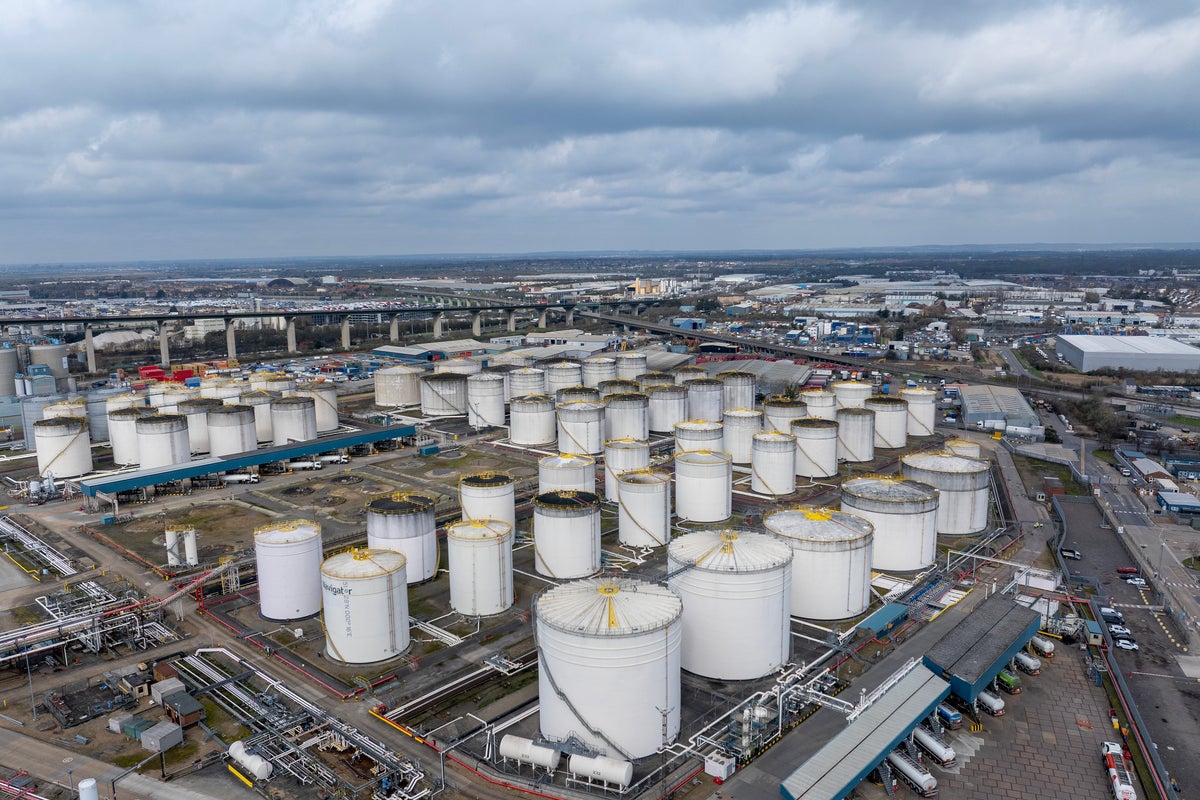
The corporate suites at Chevron and ExxonMobil are panicking, and they want Donald Trump to share their anxiety. With commercial and strategic crude stockpiles plumbing depths not seen since 2004, the C-suite consensus is clear: the United States is running out of its energetic safety net, the Strait of Hormuz remains a bottlenecked disaster, and a vertical price spike to $150 or $200 a barrel is a mathematical certainty within weeks.
It is a terrifying narrative. It is also a lazy, superficial reading of market mechanics. In other updates, take a look at: Quantifying the Reopening of the Strait of Hormuz: A Brutal Breakdown of Technical vs Commercial Clearance.
The chicken-little warnings coming from Big Oil executives assume that low inventories are an active trigger for an unmitigated pricing catastrophe. They are missing the structural transformation of the American energy engine. The fear mongering surrounding dwindling inventories ignores a fundamental reality: the United States is no longer the vulnerable, import-dependent hostage it was twenty years ago. Draining the Strategic Petroleum Reserve (SPR) and drawing down commercial stocks isn't a symptom of imminent collapse; it is the logical clearing of an artificial global supply vacuum, and the true beneficiaries aren't the panicking buyers—they are the nimble domestic producers.
The Flawed Premise of the "Critically Low" Inventory Scare
The conventional wisdom dictates that when inventories hit two-decade lows, the market loses its shock absorbers. Wall Street analysts and energy executives look at the 10.6-million-barrel weekly drawdowns and conclude that the music is about to stop. They argue that because the US is acting as the global lender of last resort—routing massive shipments to Europe and Asia to replace lost Middle Eastern barrels—American consumers are about to face a brutal reckoning at the pump. Investopedia has analyzed this fascinating subject in great detail.
This view treats crude oil inventory like water in a bucket: if the bucket goes empty, you die of thirst. But global commodity markets do not operate like a household utility.
Inventories are a buffer against structural supply deficits, not the supply itself. In 2004, the last time stockpiles were this low, the US was producing roughly 5.4 million barrels per day (b/d) and relying heavily on foreign cartels to fill the gap. Today, domestic production consistently hovers at historic highs, with US crude shipments jumping to 5.8 million b/d in a single week just to cover foreign shortfalls.
When you are the world's dominant producer, you do not need to hoard massive inventories the same way a structural importer does. The inventory draw is not a sign of scarcity; it is evidence of an incredibly efficient, high-velocity supply chain liquefying assets at peak macro pricing.
Why $150 Oil is a Paper Tiger
Let's look directly at the threat of $150-to-$200-a-barrel crude. The argument relies on a static demand model: consumers will keep buying the same amount of gasoline, jet fuel, and diesel regardless of price, forcing bidding wars that send the market into the stratosphere.
I have watched trading desks and corporate boards blow hundreds of millions of dollars betting on these parabolic supply-shock scenarios, only to get crushed by the inevitable reality of demand destruction.
High prices are the cure for high prices. Long before crude touches $160, global economic activity contracts. Refiners throttle back capacity because their margins turn negative. Trucking fleets optimize routes, discretionary summer driving evaporates, and industrial consumers switch inputs. The moment US inventory levels trigger a significant price escalation, that very escalation forces an immediate slowdown in exports. The system self-corrects.
Furthermore, the panic assumes the back end of the futures curve is "lying" to us because back-month contracts are trading at a steep discount to the spot price—a classic state of steep backwardation. The industry insider consensus says backwardation proves immediate physical desperation. The counter-intuitive truth? Backwardation actively disincentivizes hoarding. No rational commercial operator will store a physical barrel today for $110 if they can only sell it six months from now for $85. The low inventory levels are an intentional corporate response to market structure, not an accidental depletion.
The Exploitable Upside of the Blockade
The real play here isn't mourning the temporary loss of the Strait of Hormuz or waiting around for Donald Trump to sign a face-saving diplomatic breakthrough with Tehran. The real play is understanding who wins when the geopolitical map gets redrawn.
While the media obsesses over a nominal 50% increase in retail petrol prices harming the political prospects of the administration ahead of the midterms, independent domestic upstream operators are quietly locking in generational cash flows.
- The Margin Expansion: Domestic drillers in the Permian and Bakken basins aren't facing the existential logistical hurdles of the Persian Gulf. Their cost of production remains structurally insulated.
- The Export Premium: As the supplier of last resort, US barrels are commanding an unprecedented premium in European and Asian markets hungry for immediate waterborne alternatives to blocked Middle Eastern grades.
- The Refilling Catalyst: When the conflict inevitably defuses or a maritime protocol is established, the mandatory government re-buying program to refill the SPR will establish a multi-year floor under domestic crude prices.
The downside to this contrarian view? Volatility will be sickening. If a sudden diplomatic settlement reopens the Strait overnight, the immediate sentiment-driven sell-off will punish anyone holding front-month long positions. But for long-term equity allocators focused on the balance sheets of asset-heavy domestic producers, the short-term inventory scare is a gift.
Stop looking at the dwindling stockpiles as a countdown to an energy apocalypse. The inventory draw is simply the market doing exactly what it was designed to do: reallocating capital to the most efficient, secure producers on the planet while forcing the world to pay a premium for American energy security. The bucket isn't leaking; it's being sold to the highest bidder, and the cash register is ringing right here at home.