The mainstream media loves a predictable script. Every time tensions flare in the Persian Gulf, the headlines practically write themselves. Washington issues a fiery warning about devastating retaliatory strikes. Tehran counters with aggressive rhetoric about closing the Strait of Hormuz and choking the global economy.
The conventional consensus is clear: we are always one miscalculation away from a catastrophic global energy blockade.
It is a terrifying narrative. It is also entirely wrong.
The entire discourse surrounding the Strait of Hormuz relies on an outdated, superficial understanding of modern energy logistics, naval warfare, and economic survival. The idea that a series of "blind strikes" or standard military posturing could permanently shut down 20% of the world's petroleum liquid consumption is a myth kept alive by defense contractors looking for funding and oil traders looking for a quick spike in volatility.
Let us dismantle the theater and look at the hard mechanics of what actually happens when the rhetoric meets reality.
The Myth of the Chokepoint Absolute
The baseline assumption of almost every geopolitical analyst is that the Strait of Hormuz is an on/off switch for global energy. The logic goes that if Iran sinks a few tankers or lays mines, the shipping lanes close, oil hits $200 a barrel, and the global economy collapses.
This view completely ignores how modern supply chains operate.
First, look at the geography. The Strait of Hormuz is not a narrow canal; it is a shipping corridor with distinct inbound and outbound traffic lanes, each two miles wide, separated by a two-mile wide buffer zone. Sinking a modern supertanker—a double-hulled leviathan engineered to survive catastrophic impacts—does not create a roadblock. It creates a temporary navigation hazard.
During the "Tanker War" of the 1980s, Iraq and Iran attacked over 500 ships. The result? Global shipping shipping costs rose due to insurance premiums, but total oil exports from the Gulf dropped by less than 2%. The shipping industry adapted. Captains sailed at night, adjusted routes, and kept the oil moving. To think that today's sophisticated logistical networks would simply freeze is structurally illiterate.
The Financial Suicide of a Real Blockade
The lazy consensus treats Iran as an irrational actor willing to burn its own house down just to spite its neighbors. This fundamentally misreads the regime's economic DNA.
Iran relies heavily on illicit and semi-licit oil exports to keep its economy afloat, primarily routed through intermediaries to buyers in Asia. If Tehran were to genuinely close the Strait of Hormuz, they would not just be blocking Saudi or Emirati oil; they would be blocking their own lifeblood.
Furthermore, a total closure of the strait would instantly alienate China, Iran's most critical economic lifeline and diplomatic shield on the UN Security Council. Beijing imports millions of barrels of oil a day through those very waters. The moment Iran disrupts Chinese energy security is the moment Tehran loses its only meaningful geopolitical superpower backing.
Iran plays a high-stakes game of asymmetric leverage. They use the threat of disruption to force diplomatic concessions and deter a full-scale invasion. The threat is valuable only as long as it remains unexecuted. Actually executing a total blockade destroys the leverage and invites immediate, devastating retaliation from a global coalition that extends far beyond the United States.
Why 'Blind Strikes' Do Not Work
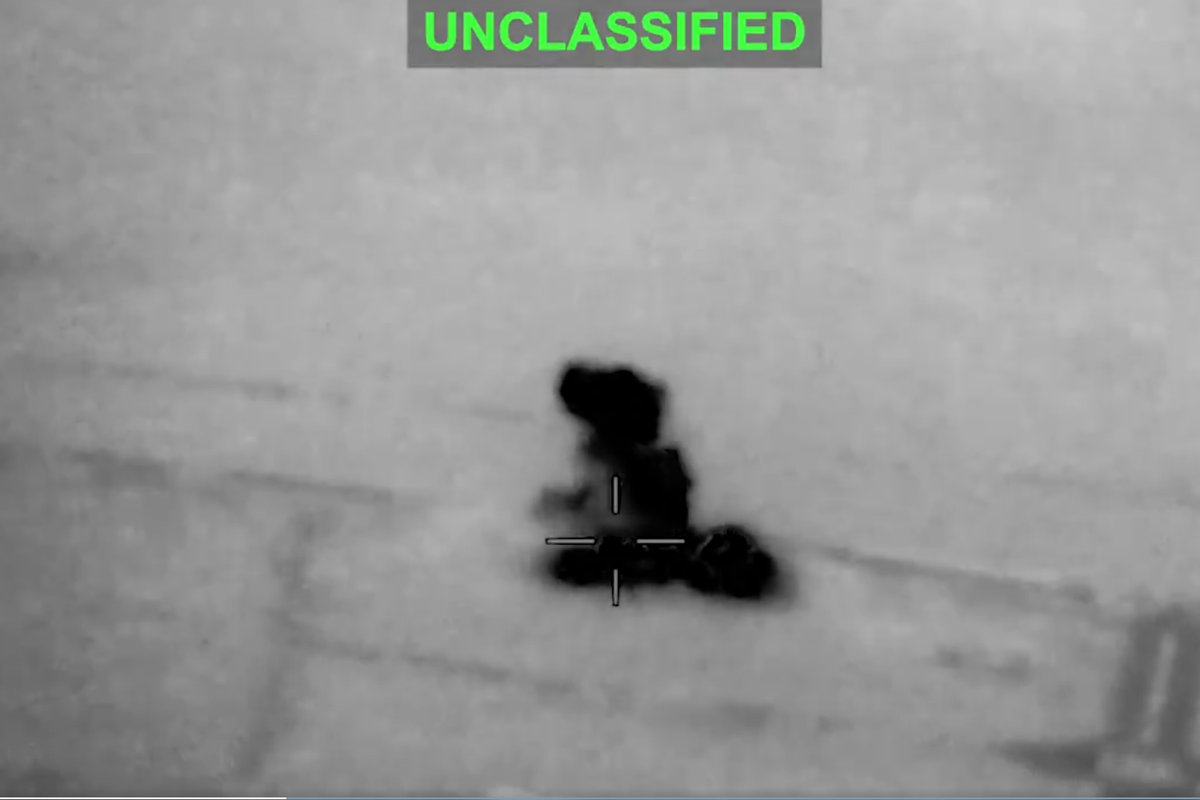
On the flip side, the Washington establishment frequently overestimates the efficacy of targeted air campaigns or "blind strikes" to neutralize asymmetric threats. The political rhetoric suggests that a few waves of stealth bombers can clean up the coast and secure the shipping lanes forever.
I have seen defense analysts blow through millions of dollars in simulation budgets trying to map out a clean kinetic solution to the Persian Gulf dilemma. It does not exist.
The Iranian defensive strategy is built entirely on dispersal and mobility. Their fast-attack craft, anti-ship cruise missiles (ASCMs), and drone operators do not sit in centralized, easily targetable military bases. They are hidden in heavily fortified underground silos, civilian ports, and rugged coastal terrain along thousands of miles of jagged coastline.
A military strike might knock out radar installations and surface-to-air missile batteries on day one. But it cannot eliminate the hundreds of mobile, truck-mounted missile launchers hidden in the mountains overlooking the strait. Any campaign attempting to completely sanitize the region would require a prolonged, high-intensity conflict that would cause the exact prolonged economic disruption the strikes were supposed to prevent.
The Real Winner of the Rhetoric: Sovereign Diversion
If the military threats are functionally useless and the blockade is economic suicide, why does this dance continue year after year?
Because the theater serves a profound domestic purpose for both sides.
For Washington, maintaining a massive naval presence in the Fifth Fleet's area of operations justifies enormous defense budgets and keeps the military-industrial complex humming. It provides a visible manifestation of American hegemony without requiring actual long-term strategic resolution.
For Tehran, the constant external threat is the perfect tool for domestic control. When the population is facing rampant inflation, currency devaluation, and systemic economic mismanagement, nothing unites a fractured public quite like the specter of foreign aggression. The regime needs the American bogeyman to justify its internal security apparatus and suppress domestic dissent.
Dismantling the 'People Also Ask' Panic
When people look into this conflict, they tend to ask the wrong questions entirely.
- Can Iran close the Strait of Hormuz? Physically, they can disrupt traffic for a matter of days or weeks using mines and swarming tactics. Strategically and economically, they cannot sustain a closure without destroying their own state.
- Will a US-Iran war stop global oil flow? No. It will redistribute it. The UAE and Saudi Arabia have spent decades building overland pipelines to bypass the strait completely, such as the Habshan–Fujairah pipeline and the East-West Pipeline to the Red Sea. While these cannot handle 100% of the Gulf's capacity, they provide a massive safety valve that prevents total systemic failure.
- Are insurance rates the real threat? Yes. The true damage of this conflict is never kinetic; it is financial. War risk insurance premiums skyrocket when a missile is fired, forcing shipping companies to re-route or demand higher freight rates. The crisis is always born in the boardrooms of London underwriters, not on the waves of the Gulf.
Stop looking at the aircraft carriers and the fiery press releases. The status quo is an equilibrium born of mutual dependence and calculated theater. Neither side wants a war, and neither side can afford a closed strait. The noise is just the price of doing business in the modern geopolitical landscape.
The next time a headline tells you the global economy is on the brink because of a skirmish in the Gulf, look at the pipeline data, look at the insurance indexes, and ignore the political theater entirely.