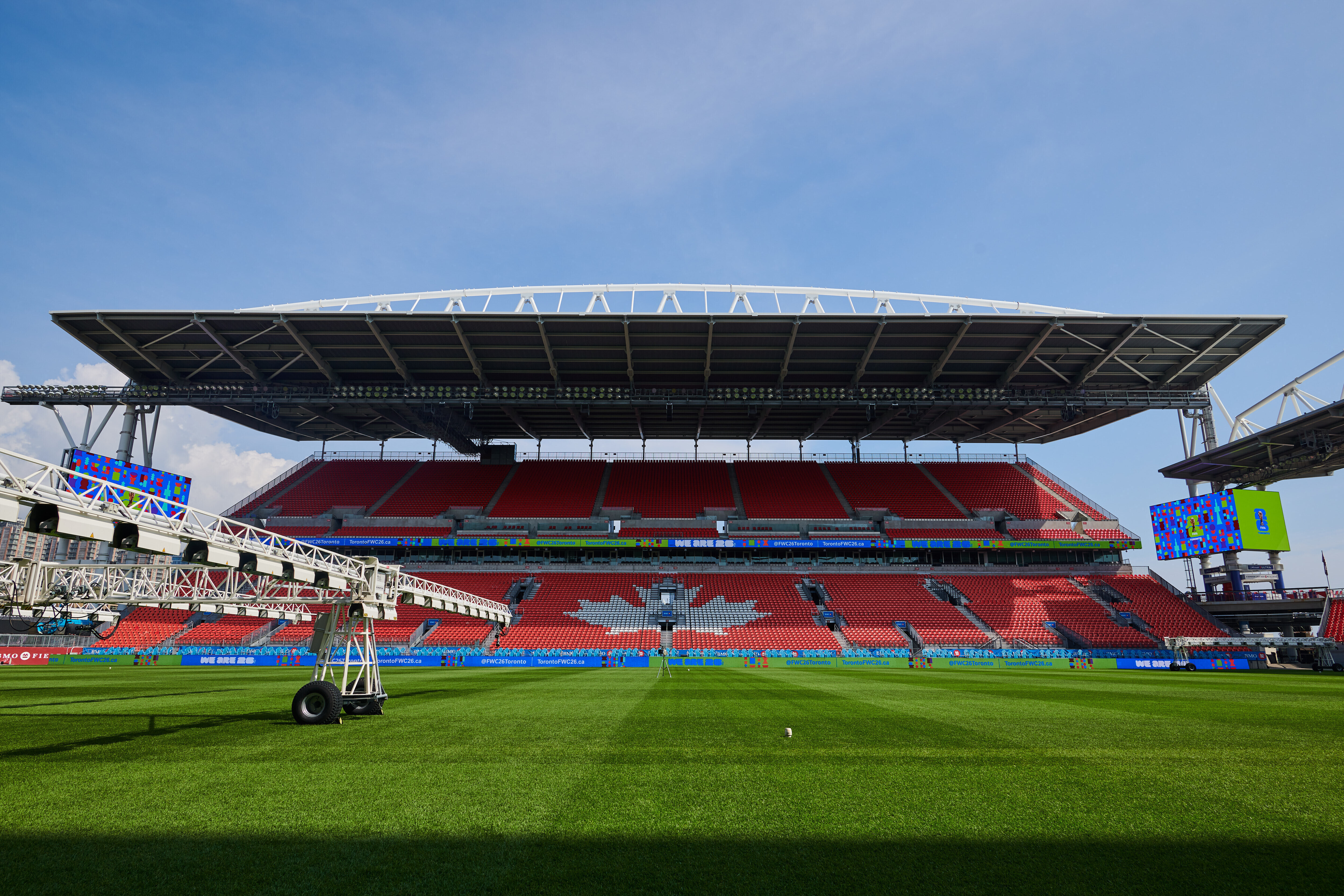
The outcome of the Group E fixture between Germany and Ivory Coast at Toronto Stadium hinges on a fundamental tactical tension: the structural manipulation of space versus the optimization of direct vertical transition. Both nations enter this matchday two encounter with three points, meaning the tactical execution of their respective systems determines immediate qualification safety and group seeding priority.
Germany’s opening 7-1 victory against Curaçao displayed an elite capacity for positional rotation, yet it offered few defensive insights due to the opponent's low structural baseline. Conversely, Ivory Coast’s disciplined 1-0 win over Ecuador demonstrated a high-density defensive block capable of absorbing pressure and triggering immediate counter-offensive sequences. To understand how this matchup will unfold, the game must be broken down into specific operational layers.
The German Overload: Inverted Fullbacks and Half-Space Exploitation
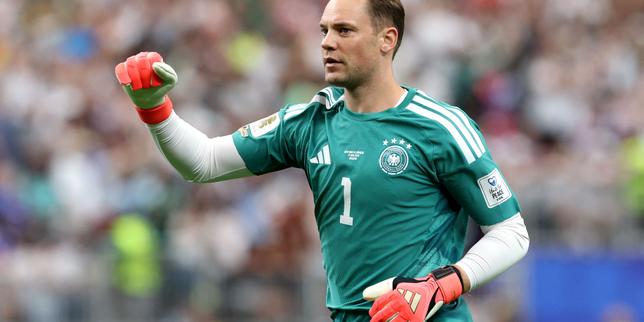
Under Julian Nagelsmann, Germany operates via a fluid geometric system designed to create localized numerical advantages. The mechanism relies heavily on the behavior of the fullbacks, Joshua Kimmich and Nathaniel Brown, who consistently invert into central midfield during build-up phases.
This inversion achieves two distinct structural goals:
- It creates a numerical box midfield alongside Aleksandar Pavlović and Felix Nmecha, establishing a 4v2 or 4v3 advantage against standard opposition central midfields.
- It frees Jamal Musiala and Florian Wirtz from structural touchline responsibilities, allowing them to occupy the half-spaces between the opponent's midfield and defensive lines.
When Wirtz and Musiala drift inside, they form passing triangles with central forward Kai Havertz. Havertz rarely functions as a fixed target man; instead, his frequent dropping movements pull opposition center-backs out of alignment, creating horizontal gaps for runners from deep. The efficiency of this system is quantified by the speed of ball circulation, shifting the opposition defensive block laterally until a passing lane opens into the penalty area.
The Ivorian Low-Block: Direct Verticality and Rest-Defense Testing
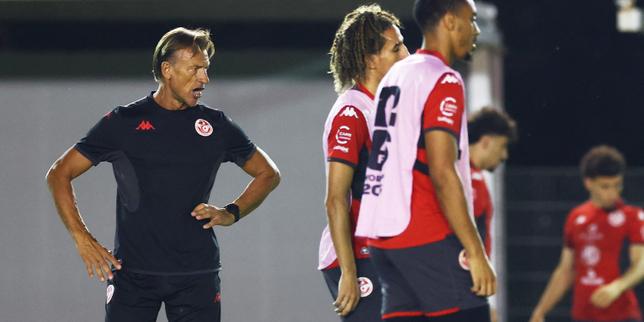
Emerse Faé has configured Ivory Coast to reject possession-based dominance in favor of space denial and explosive vertical counters. The Ivorian system is anchored by Franck Kessié and Seko Fofana, who establish a dense, physical central block. Their primary objective is to disrupt central passing lanes to Wirtz and Musiala, forcing Germany to move the ball wide where the touchline acts as an extra defender.
Once a turnover is forced, the Ivorian transition mechanism executes instantly. Nicolas Pépé, Ousmane Diomandé, and Amad Diallo do not wait for structured build-ups. Instead, they exploit the space left behind by Germany's advancing fullbacks.
The primary vulnerability of Germany’s tactical framework is its rest-defense. When Kimmich and Brown push high and narrow, Jonathan Tah and Nico Schlotterbeck are left to cover immense lateral distances. If Germany’s immediate counter-press fails to win the ball within the first three seconds of a turnover, Ivory Coast possesses the linear acceleration to expose the German center-backs in isolation.
Key Tactical Bottlenecks and Match Dynamics
The strategic winner will be determined by three distinct operational variables:
Kessié’s Shadowing Efficiency
Franck Kessié is tasked with tracking Florian Wirtz. If Kessié is pulled out of position by Germany's horizontal passing sequences, the Ivorian defensive line will be forced to step up, opening space for Havertz or late runs from Nmecha.
The German Counter-Press Performance
Germany's defensive stability relies on immediate pressure post-turnover. If Pavlović and Nmecha cannot halt the first forward pass from Ivory Coast, the Ivorian wingers will expose Tah and Schlotterbeck in wide areas. Germany’s single clean sheet in their last five outings suggests this transition defense remains structurally vulnerable.
Sided Asymmetry
Germany’s tendency to tilt their attack heavily toward the left half-space via Musiala will test the structural discipline of the right side of the Ivorian defense. Wilfried Singo and Emmanuel Agbadou must maintain strict zonal positioning rather than chasing individual tracking assignments.
Strategic Forecast
The match presents a clear structural limitation for Ivory Coast: a complete reliance on low-possession efficiency. While their athletic profile allows them to punish high defensive lines, sustained exposure to German passing rotations historically causes physical fatigue in the final 30 minutes of play.
Germany’s deep attacking substitutions should allow them to maintain high ball-circulation speeds throughout the second half. Expect Ivory Coast to find success early via direct transition, but Germany's territorial dominance and structural overloads will eventually compromise the Ivorian low-block as the match progresses.