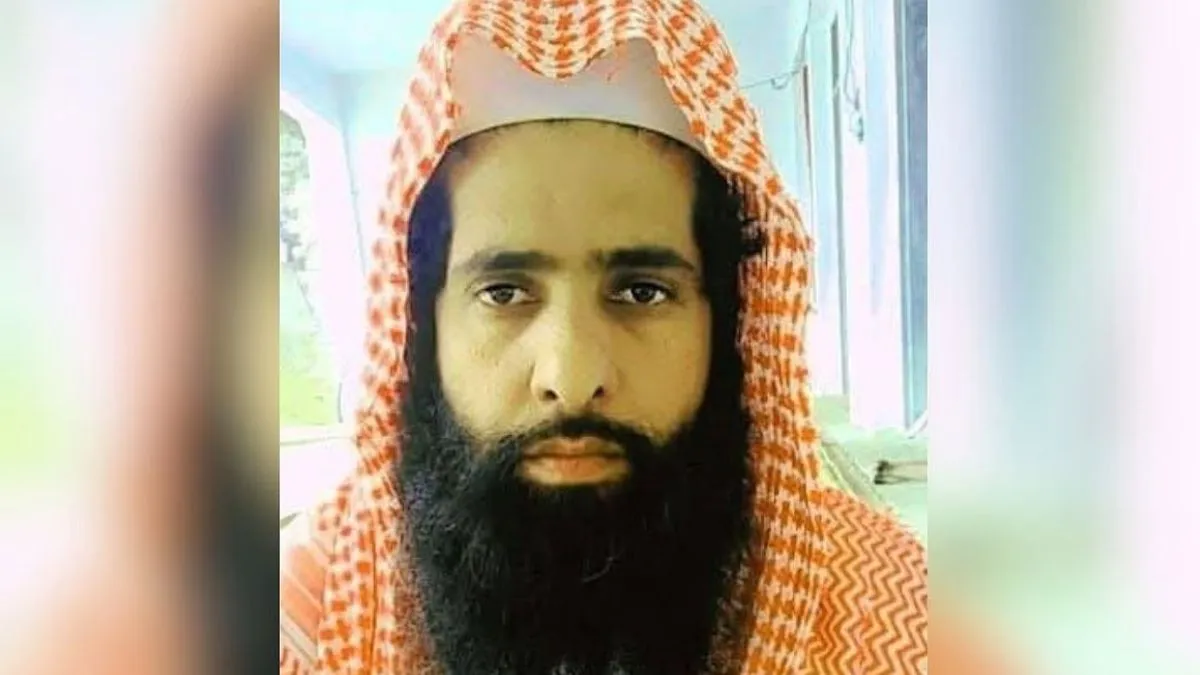
Gunmen on a motorcycle pulled up and opened fire. It's a story we hear too often from the tribal belts of Pakistan, but the assassination of Maulana Idrees in Khyber Pakhtunkhwa hits differently. This wasn't just another random act of violence in a restive province. It was a calculated strike against a prominent religious figure in the Tochi Valley of North Waziristan. When someone like Idrees is taken out, the shockwaves don't just stay in the local mosque. They rattle the entire security framework of a region that's already seen enough blood to last a century.
The cleric was traveling in the Mir Ali subdivision when the attack happened. Two men on a bike, a few rounds of ammunition, and another funeral to organize. Local police confirmed the death quickly, but the "why" and the "who" usually take a lot longer to surface in these parts. If you've been following the shift in Pakistan’s security over the last two years, you know this isn't an isolated tragedy. It’s part of a worrying pattern of targeted killings that suggest militants are reclaiming space they supposedly lost years ago.
The Reality of Target Killings in North Waziristan
Security experts often talk about "cleared areas," but the residents of North Waziristan will tell you a different story. Since the end of major military operations like Zarb-e-Azb, there's been a persistent undercurrent of violence. Maulana Idrees was a respected figure, and his death highlights a specific strategy used by insurgent groups: go after the influencers. By removing religious and tribal leaders who have a following, these groups create a power vacuum. They want people to feel that no one—not even a man of God—is safe.
It's a brutal logic. If the state can't protect a high-profile cleric, how can it protect the average shopkeeper in Mir Ali? This isn't just about one man’s life. It's about the erosion of public trust. When you look at the geography, the Tochi Valley has always been a strategic corridor. It’s rugged, it’s difficult to police, and it’s right on the doorstep of the Afghan border.
The killers vanished into the landscape. That's the hallmark of these hits. They don't want a prolonged firefight with the army. They want a quick, terrifying demonstration of reach. For the people of Khyber Pakhtunkhwa (KP), this brings back dark memories of the mid-2000s. You start seeing the same signs. The evening patrols, the closed shops, the whispered warnings.
Why Religious Leaders Are Now Targets
You might think religious figures would be off-limits in a deeply conservative society. Honestly, that’s a naive take. In the current climate of Pakistan, your religious credentials don't give you a bulletproof vest if your politics or your influence don't align with the local militant factions. Maulana Idrees had a voice. In tribal societies, the mosque is the town square. It's where opinions are formed.
Targeting a cleric serves multiple purposes for insurgent groups like the TTP (Tehrik-i-Taliban Pakistan) or even rival sectarian outfits.
- It silences a potential critic.
- It proves the police are powerless.
- It forces other leaders to fall in line or face the same fate.
We've seen an uptick in these incidents across KP. It’s not just Waziristan. Swat, Tank, and Peshawar have all seen targeted hits on people who represent the "old guard" or anyone seen as cooperating with the government. The local police are often outgunned and under-resourced. They’re basically sitting ducks in rural outposts, making it easy for motorcycle-riding assassins to strike and melt away.
The Border Factor and the TTP Resurgence
Let’s be real about the elephant in the room. The return of the Taliban to power in Kabul changed the math for Pakistan. Since 2021, the TTP has felt emboldened. They have a safe haven across the line, and despite the Pakistani government's protests, the cross-border movement remains a massive headache.
The killing of Maulana Idrees happened in a district that was once the headquarters of global jihadism. While the large-scale camps are gone, the "sleeper cell" model is thriving. These aren't foreign fighters anymore. They're locals. They know the backroads. They know which cleric speaks at which hour.
The state's response is usually the same. A cordon-and-search operation. A few arrests. A press release promising that the "martyr's blood will not go in vain." But for the people living in Mir Ali, these words are starting to ring hollow. They’ve heard it all before. They want to see the cycle of violence actually break.
Moving Beyond Condemnations
If Pakistan wants to stop the bleeding in Khyber Pakhtunkhwa, it needs to stop treating these killings as individual criminal acts. They’re political hits. The security apparatus has to shift from a "reactive" mode to a "proactive" one. That means better intelligence at the village level and actually empowering the local police instead of just relying on heavy-handed military sweeps that often alienate the locals.
For the international observer, this might look like a local news story from a faraway province. It’s not. North Waziristan is a barometer for the stability of the entire region. When it flares up, the rest of the country eventually feels the heat. The death of Maulana Idrees is a grim reminder that the peace won a decade ago is incredibly fragile.
You should keep a close eye on the local protests following this funeral. Usually, these events turn into sit-ins where tribesmen demand better security. These grassroots movements are often the only thing holding the authorities accountable. If you're looking for the next move, watch how the government handles the Tochi Valley tribes. If they ignore the anger, they’re just clearing the path for the next motorcycle to pull up.
Stay informed by following local KP journalists who are on the ground. They see what the mainstream media in Islamabad often misses. Check the daily situation reports from the Pak Institute for Peace Studies (PIPS) if you want the hard data on how these targeted killings are trending. The numbers don't lie, and right now, they're pointing toward a very long, very difficult summer in the tribal districts.