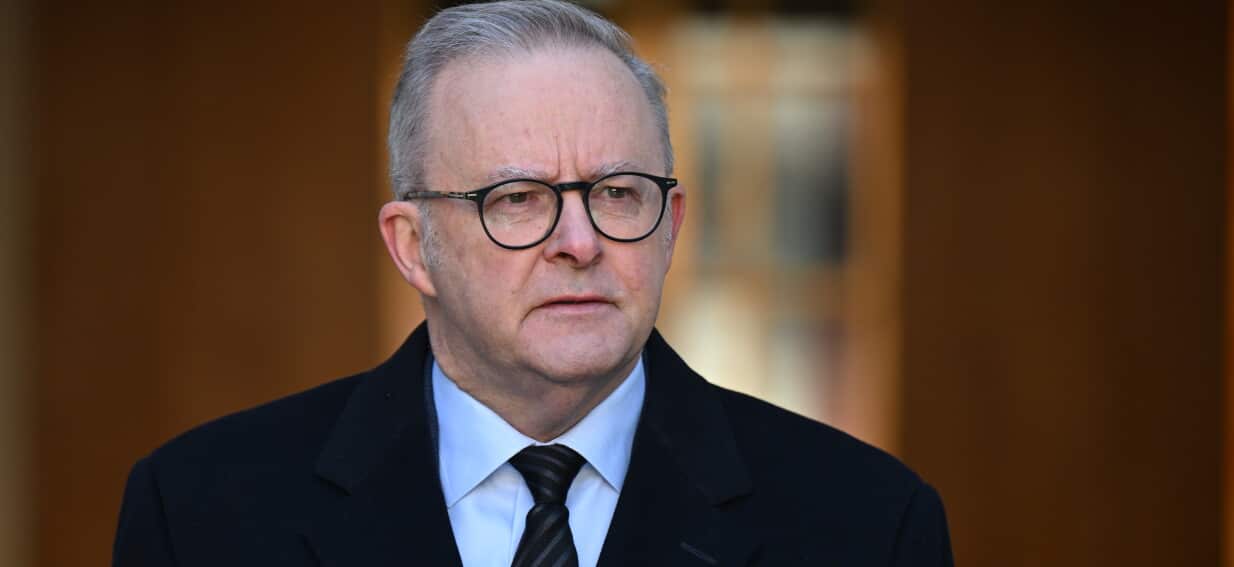
Iranian President Masoud Pezeshkian just lashed out at his own state television network. His complaint? The broadcasters are treating the highly sensitive diplomatic talks with Washington as an outright failure, actively deepening internal divisions at a moment when a historic peace framework has finally been reached. Behind the closed doors of Tehran's parliament, its state media offices, and the Supreme National Security Council, a fierce internal war is raging.
While negotiators shake hands in Switzerland to halt military blockades, reopen the critical Strait of Hormuz, and handle frozen assets, a powerful minority within the Islamic Republic is doing everything it can to blow the whole thing up.
If you think this resistance is just about a natural hatred for America, you're missing the real story. It isn't just about theology or old grudges. For the hardliners, killing this deal is a matter of political survival, deep financial interest, and a desperate struggle to keep control of Iran's domestic narrative.
The Profitable Business of Economic Sanctions
Western sanctions are supposed to punish the Iranian regime, but they've actually turned into a massive cash cow for the country's most conservative factions. Over decades of economic isolation, a highly specialized, black-market economy has taken over. This shadow economy is run almost entirely by the Islamic Revolutionary Guard Corps (IRGC) and well-connected hardline front companies.
When legitimate international trade is completely blocked, someone still has to smuggle oil, import medical supplies, and bring in consumer goods. That someone is the hardline establishment. They control the docks, the front companies in Dubai, and the illicit financial networks that keep the country floating. They buy cheap, sell high to a captive audience, and pocket billions in the process.
A successful diplomatic deal with the US changes everything. If Washington lifts primary and secondary sanctions, legitimate international corporations will return to the Iranian market. Major European energy firms and global logistics companies would push the shadow networks right out of the picture. Transparency would destroy the massive profit margins of the smuggling elite. For these powerful figures, economic normalcy isn't a relief. It's a direct threat to their bank accounts.
Losing the Forever Enemy
The ruling ideology of Iran’s hardline conservative faction requires a permanent villain. For over forty years, the "Great Satan" has been the ultimate excuse for every single internal failure of the state.
High inflation? Blame Washington.
High unemployment? Blame Western plots.
Crackdowns on civil liberties? Necessary to protect the nation from foreign subversion.
If President Pezeshkian and his negotiating team successfully finalize a comprehensive framework that stabilizes relations with the US, that convenient excuse completely vanishes. Without the threat of American aggression or the crushing weight of foreign blockades, the Iranian public will naturally turn its attention inward. They will start asking tough questions about systemic corruption, mismanagement, and social restrictions. The hardliners know they don't have good answers to those questions. By keeping the conflict with the West alive, they keep their domestic political leverage intact.
The Fight for the Supreme Leader's Ear
Iran's political setup is complicated, but the final word always belongs to Supreme Leader Ali Khamenei. While the presidency handles the daily work of governing, the ultimate direction of foreign policy is decided at the very top. Right now, a brutal factional battle is happening to shape Khamenei’s view of the negotiations.
[Supreme Leader Ali Khamenei]
          |
    +-----+-----+
    |           |
[Reformists] [Hardliners]
 (Diplomacy)  (Resistance)
The hardline faction sees the current negotiations as a weak capitulation. They point directly to Donald Trump’s decision to tear up the original 2015 nuclear agreement as proof that Washington can never be trusted. Their argument to the Supreme Leader is straightforward: any deal signed today will just be broken by the next American administration. They believe Iran’s only true security lies in building a strong nuclear deterrent and maintaining its network of regional militias, not in trusting western diplomats.
By running aggressive media campaigns, organizing public rallies, and leaning on national security councils, these hardliners are trying to convince Khamenei that the current diplomatic path is dangerous. They want to show that the reformist government is compromising the core values of the Islamic Revolution.
Real Risks and Next Steps for Observers
If you are tracking global energy markets, international shipping, or Middle Eastern geopolitics, you can't just look at what happens between Washington and Tehran. You have to watch the internal battle inside Iran just as closely. Here is what you need to keep an eye on next to see which way the wind is blowing.
- State Media Tone: Watch how Iranian state television (IRIB) talks about the negotiating team. If the attacks on Pezeshkian’s diplomats get worse despite his recent complaints, it means the hardliners still have a firm grip on the national media apparatus.
- Parliamentary Maneuvers: Keep track of the Iranian parliament (Majles). Hardline lawmakers will try to pass new bills requiring instant enrichment hikes or limits on international inspections to intentionally disrupt the talks.
- IRGC Movements: Watch for sudden military drills, missile tests, or naval incidents in the Strait of Hormuz. When diplomacy gets close to a breakthrough, hardline security forces often use military muscle flexes to provoke a western reaction and tank the negotiations.
The framework to end the conflict might be on the table in Switzerland, but the hardest part of the battle isn't happening across a diplomatic table from the Americans. It is happening right now in the halls of power in Tehran.