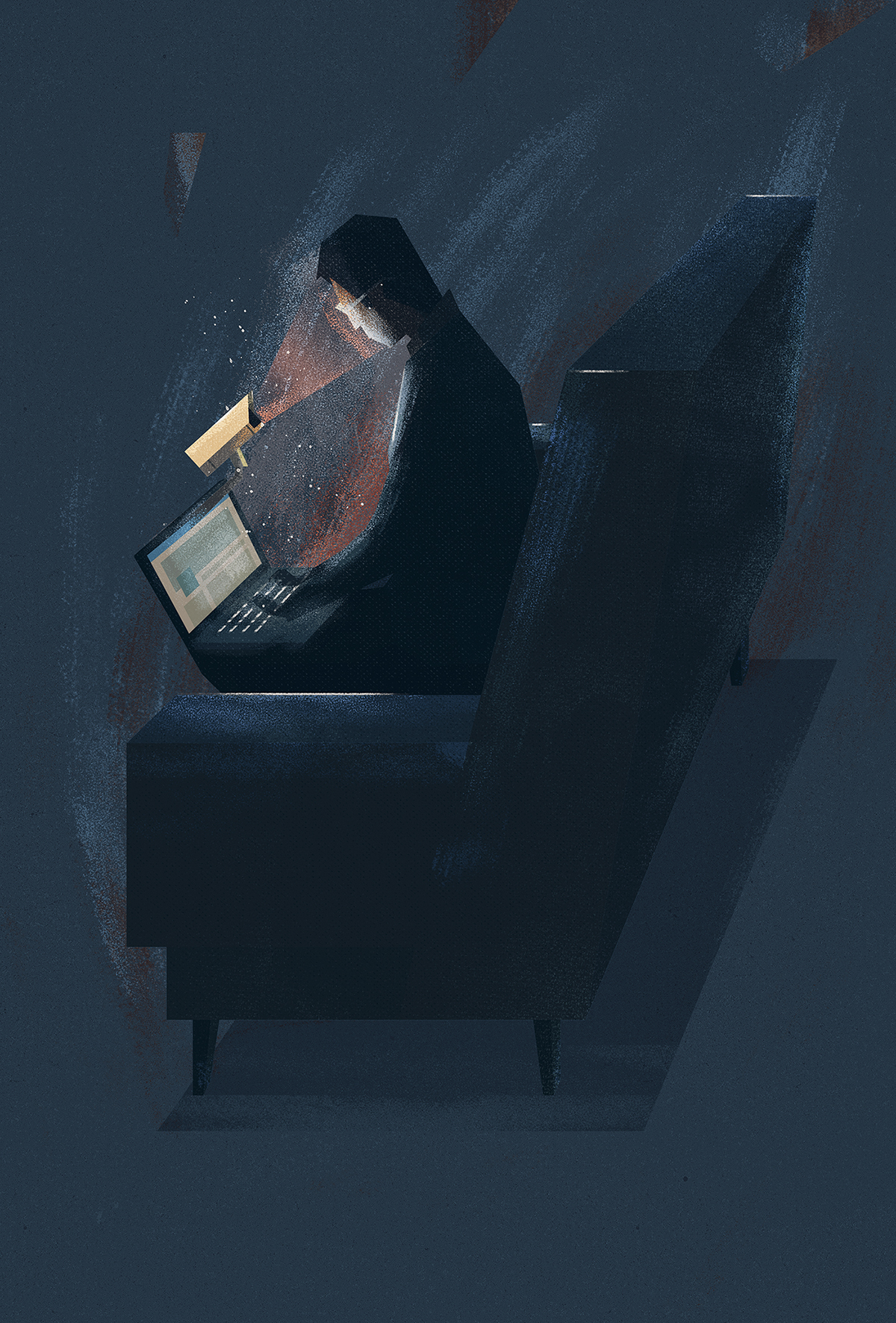
The media is currently hyperventilating over a familiar script: Republicans are supposedly "shielding" Donald Trump by blocking a public accounting of Iranian interference. They frame it as a cover-up. They call it a subversion of democracy. They are wrong.
This isn't about protecting a candidate. It’s about protecting the machinery of the state from the performative demands of a public that thinks foreign intelligence is a Netflix documentary. The "lazy consensus" dictates that transparency is always a moral good. In reality, transparency in the middle of an active cyber-kinetic conflict is nothing more than a gift to the adversary. For a closer look into similar topics, we recommend: this related article.
When you demand a "public accounting" of how Iran is targeting a campaign, you aren't just asking for a list of names. You are asking for the blueprints of our detection capabilities. You are demanding we show the IRGC (Islamic Revolutionary Guard Corps) exactly which of their backdoors we’ve closed and which ones we’re still monitoring.
The Myth of the Informed Public
The premise of the outrage is that voters need to know the "truth" to make an informed choice. This assumes the average voter can distinguish between a sophisticated multi-vector influence operation and a stray tweet from a bot farm in Mashhad. They can't. To get more background on this topic, in-depth coverage can also be found at Al Jazeera.
Providing a raw intelligence dump to the public doesn't create clarity; it creates a feedback loop for further interference. Once an intelligence agency confirms a specific narrative is "Iranian-backed," that confirmation itself becomes a weaponized data point for the opposing political camp.
I have spent years watching organizations collapse because they prioritized "openness" over operational security. In the private sector, if you have a breach, you don't hold a press conference while the hacker is still in your server. You keep your mouth shut, you hunt, and you neutralize.
The U.S. government is currently being asked to do the opposite. They are being asked to provide a play-by-play commentary while the game is still being played. This isn't oversight. It's tactical suicide.
Intelligence is Not a Commodity
People ask, "Why can't we just see the redacted version?"
Because redaction is a signal in itself. If the government releases a report where 40% of the text is blacked out, any competent analyst in Tehran can cross-reference those gaps with their own internal logs. They can deduce our sources and methods by seeing what we are afraid to show.
We operate on the principle of Compromise Assessment.
Imagine a scenario where the NSA identifies an Iranian signal because of a specific, minute vulnerability in a localized encryption protocol used by a specific cell. The moment you "account" for that interference publicly, you tell that cell their encryption is worthless. They pivot. We lose the feed. We go dark.
The GOP lawmakers resisting this aren't necessarily doing it for Trump. They are doing it because they know that a public report is an expiration date for our most valuable assets.
The Price of Exposure
- Burned Assets: Human sources inside hostile regimes don't survive "public accountings."
- Signal Decay: When you announce you know about a hack, the hackers change their signature.
- Political Parity: If we report on Iran, we have to report on China, Russia, and Israel. Suddenly, the intelligence community is the nation's chief publicist.
The Counter-Intuitive Truth About "Interference"
The loudest voices demanding a public accounting are the ones who believe foreign interference actually works.
Here is the secret the industry won't tell you: Most foreign influence operations are spectacularly incompetent. They are run by bureaucrats in foreign capitals who need to hit a quota. They produce low-quality memes and ham-fisted phishing attempts that wouldn't fool a teenager.
By demanding a high-level public report, we validate their efforts. We give the IRGC a "Win" they didn't earn. We tell them, "Your $50,000 bot campaign was so effective it required a Congressional investigation."
We are literally doing their marketing for them.
Stop Asking for the Wrong Thing
The public doesn't need a report. The public needs a result.
The obsession with "knowing" is a symptom of a society that has replaced action with information consumption. If the goal is to stop Iran from messing with American elections, the solution isn't a PDF released to the New York Times. The solution is aggressive, offensive cyber operations that make the cost of interference higher than the benefit.
You don't win a shadow war by turning on the lights. You win it by being better in the dark.
If you actually care about the integrity of the vote, stop asking the government to tell you what's happening. Start demanding they stop it. Those two things are often mutually exclusive.
The "Public Accounting" is a trap designed for the theater of the 24-hour news cycle. It serves the pundits, it serves the candidates, and most of all, it serves the enemies of the state. It does not serve you.
Go back to work. Let the spies do theirs.