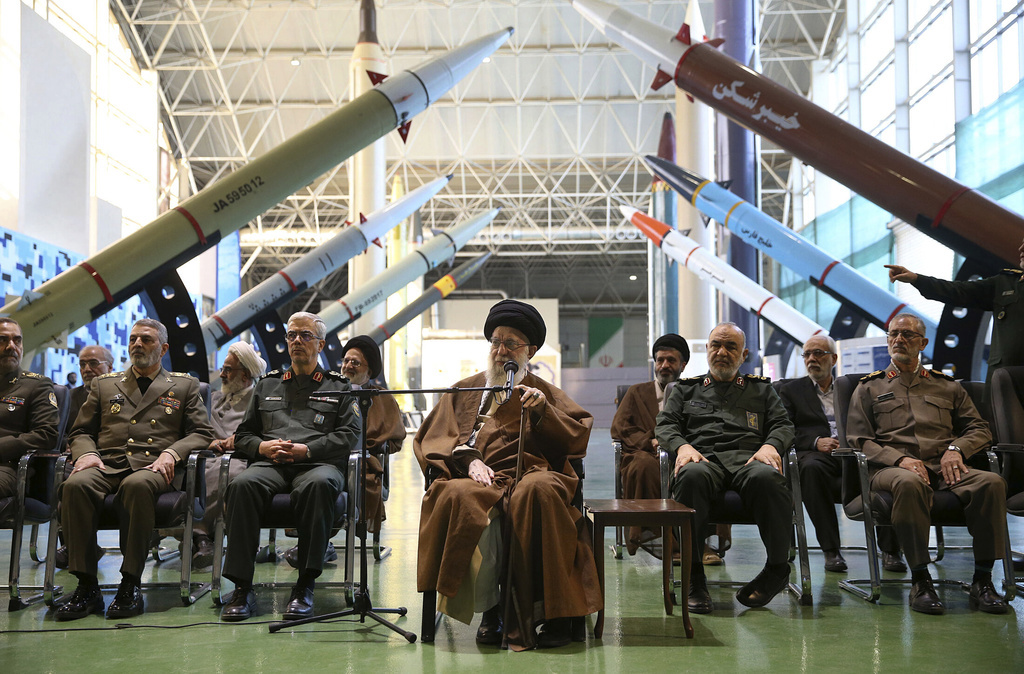
If you think gas prices are high now, you aren't ready for what happens if a full-scale war breaks out with Iran. This isn't just about regional politics or old grudges in the Middle East. It's about the literal plumbing of the global economy. Most analysts talk about "geopolitical instability" like it’s some abstract concept, but for you, it means the price of a gallon of milk, your mortgage rate, and whether your 401(k) takes a 20% dive overnight.
An open conflict with Iran would scar the global economy in ways we haven't seen since the 1970s. We're talking about a systemic shock that hits the three pillars of modern life: energy, shipping, and credit. When these three things break at the same time, the recovery doesn't take months. It takes a decade.
The Strait of Hormuz is the Worlds Most Dangerous Chokepoint
Everything comes down to a narrow strip of water. The Strait of Hormuz is only 21 miles wide at its narrowest point. Through that tiny gap flows roughly 20% of the world's total oil consumption. Even more critical is the liquefied natural gas (LNG). Qatar sends almost all its LNG through that strait. If Iran decides to sink a few tankers or sow the waters with naval mines, the global energy market chokes instantly.
Insurance companies won't cover ships entering a war zone. When those tankers stop moving, the supply of oil doesn't just "dip"—it vanishes from the spot market. During previous "tanker wars," we saw how quickly shipping rates can triple. Now, imagine that in a world that's already struggling with stubborn inflation. You'd see oil prices leap toward $150 or even $200 a barrel within weeks.
I’ve seen how markets react to fear. It’s never rational. Traders won't wait for a shortage; they'll price in the catastrophe the second the first missile flies. This isn't speculation. It's a mathematical certainty based on how our just-in-time global supply chain operates.
Inflation Will Become a Permanent Resident
Most people assume the government can just "fix" inflation by raising interest rates. That works when people are buying too many TVs. It doesn't work when the cost of transporting every single good on Earth goes up because diesel fuel is $10 a gallon.
Why Energy Costs Drive Everything Else
If the cost of fuel for a cargo ship goes up, the cost of the grain it's carrying goes up. If the cost of natural gas goes up, the cost of fertilizer for farmers in Iowa goes up.
- Food Security: Higher fertilizer and transport costs mean grocery bills stay high for years.
- Manufacturing: Factories in Europe and Asia that rely on imported energy will simply shut down.
- Consumer Spending: When you're spending $100 to fill your tank, you aren't buying a new iPhone or going out to dinner.
This creates a "stagflation" trap. The economy slows down because everything is too expensive, but prices keep rising because the supply of energy is broken. Central banks can't fight that with interest rates without crashing the entire housing market. It's a lose-lose scenario that would define the late 2020s.
The Massive Debt Trap for Western Nations
Governments are already underwater. The US national debt is hovering at levels that make economists sweat. A war with Iran isn't a cheap "surgical strike" affair. It's a long, grinding naval and aerial campaign that costs billions per day.
Where does that money come from? They print it or borrow it.
When governments borrow massive amounts of money to fund a war, they compete with you for loans. This pushes up the "risk-free rate," which is a fancy way of saying your credit card interest and car loans stay high. We're looking at a world where "low interest rates" become a historical footnote your parents talk about.
The Shift to a Multi-Polar Financial System
One of the biggest scars won't be visible at the gas pump. It'll be in how countries trade. If the West imposes massive sanctions or gets into a shooting war, countries like China, India, and Russia will move even faster to build a financial system that doesn't use the US dollar.
We're already seeing the "BRICS" nations talk about this. A war with Iran would be the ultimate catalyst. If the US dollar loses its status as the world's primary reserve currency because of a Middle East conflict, the standard of living in America drops permanently. We lose the ability to export our inflation to the rest of the world. That’s a scar that never heals.
Regional Chaos and the Refugee Crisis
War doesn't stay in one place. A conflict with Iran would likely pull in Lebanon, Iraq, Syria, and Yemen. This creates a massive wave of human displacement. When millions of people are forced to flee, it puts an enormous strain on the economies of neighboring countries like Turkey and Jordan, and eventually, Europe.
Economic migration on that scale causes political instability. We saw it in 2015. It leads to the rise of protectionist trade policies and border closures. These things are bad for business. They slow down the movement of talent and goods, making the global economy less efficient and more expensive for everyone.
The Cyber War on Your Bank Account
Iran has spent the last decade building a world-class cyber warfare unit. They know they can't win a traditional naval battle against a superpower. But they can flip a switch and try to take down the SWIFT banking system or hit the power grid in major cities.
Imagine not being able to access your bank account for three days. Or the stock exchange shutting down because of a "glitch." The loss of trust in digital systems is an economic cost that’s hard to quantify but devastating to experience. The "scar" here is a permanent increase in the cost of doing business as every company has to double its spending on security just to stay alive.
Preparing for the Shockwave
You can't stop a war, but you can stop being a victim of the economic fallout. The smartest move right now isn't to panic-buy gold or hide under a rock. It's to realize that the era of "cheap everything" is probably over if these tensions boil over.
- Kill your variable debt: If you have credit card balances or HELOCs with floating rates, pay them off now. When war hits, those rates will skyrocket.
- Diversify your energy exposure: If you’ve been thinking about a hybrid vehicle or making your home more energy-efficient, stop waiting. Being less dependent on the grid is a financial hedge against a Strait of Hormuz closure.
- Watch the "Chokepoint" news: Don't just look at the headlines about "tensions." Look at shipping insurance premiums in the Persian Gulf. When those start to climb, the market is telling you the war has already started in the shadows.
The global economy is a fragile web of trust and cheap transit. A war with Iran rips that web apart. It's not just a "scar"—it's a fundamental rewriting of how you'll live, work, and spend for the next generation. Move your money into "real" assets, shorten your supply chains, and get ready for a much more expensive world.