Donald Trump thought he could bully Canada into submission with a mix of aggressive economic tariffs and late-night social media trolling. Calling America’s northern neighbor the "51st state" was supposed to humiliate Ottawa. It was supposed to show who holds all the cards as the Canada-United States-Mexico Agreement (CUSMA) hangs in the balance.
Instead, the White House accidentally triggered something it didn't see coming.
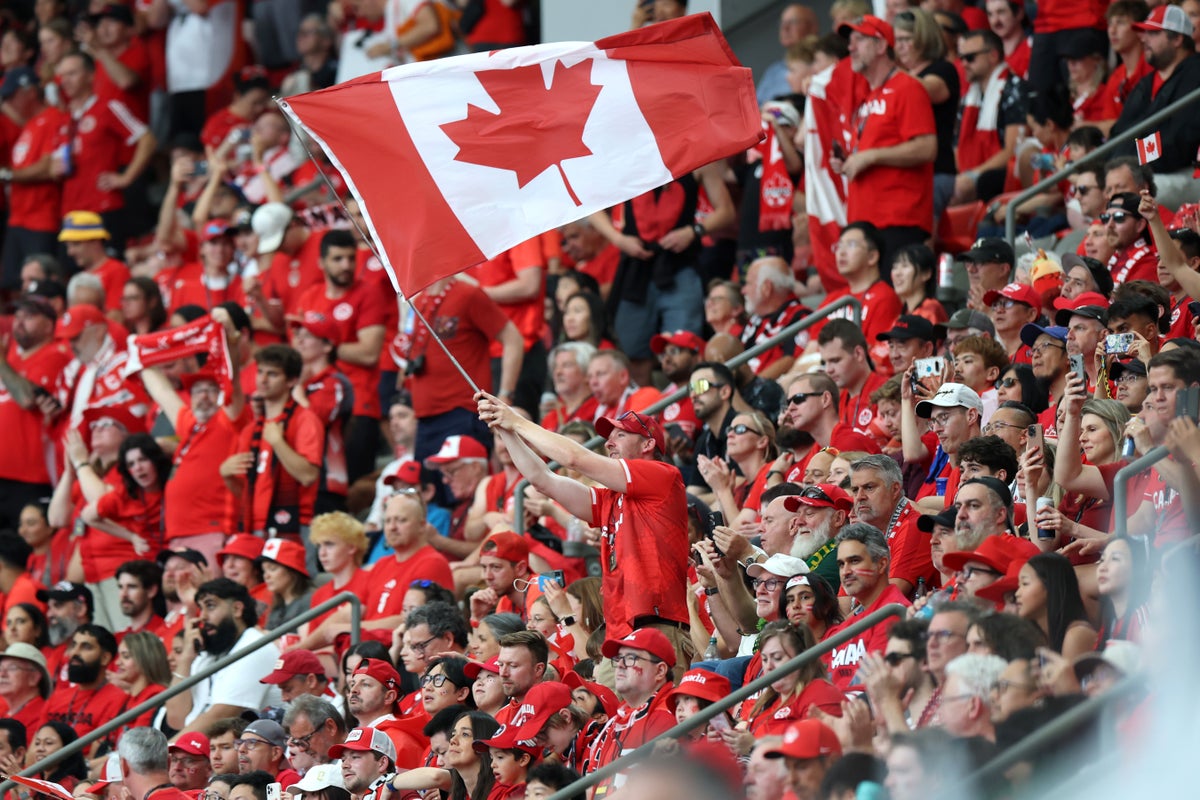
A massive, stubborn wave of Canadian nationalism is sweeping across the country. It turns out that threatening a nation's sovereignty is a fantastic way to make its citizens fiercely protective of their identity. From corporate boardrooms to provincial liquor stores, Canadians are fighting back with their wallets, their policies, and a sudden injection of national pride.
The Trolling That Ignited a Movement
Trump didn't just mention the 51st state idea once as a joke. He kept bringing it up. His administration followed the rhetoric by hitting Canadian exports like steel, aluminum, copper, and lumber with punitive tariffs under the guise of national security. U.S. Ambassador Pete Hoekstra recently tried to downplay the drama, claiming the administration didn't specifically target Canada and that the president is simply putting America first globally.
Canadians aren't buying the corporate spin.
A recent Leger poll revealed that a staggering 85% of Canadians say they feel deeply proud of their country right now. The pressure from Washington didn't break Canadian resolve. It hardened it.
We’re seeing this cultural pushback manifest everywhere. Rocker Bryan Adams just dropped a patriotic track bluntly titled "51st State," singing directly to the U.S. president to show some respect because Canada takes care of its own. Meanwhile, a modern, independent remake of the iconic 2000 "Joe Canadian" Molson advertisement went viral online. The message is simple: modesty isn't meekness, and Canada is not another star on the American flag.
Fighting Back at the Cash Register
This isn't just about emotional flags and catchy songs. The real retaliation is happening where it hurts the U.S. economy most: trade and tourism.
Canadians are actively cutting back on cross-border travel and boycotting American brands. The tension is so thick that the highly anticipated opening of a new international bridge connecting Windsor, Ontario to Detroit has been delayed.
Look at what’s happening in provincial liquor stores. Ontario Premier Doug Ford took a hardline stance by pulling American alcohol products off the shelves of the LCBO. Ford has made it clear that those U.S. brands won't return until Washington drops its unfair tariffs on Canadian goods. Other provinces have quietly followed suit. It is a direct, localized economic punch that hits American businesses right in their bottom line.
Prime Minister Mark Carney Takes a Stand
On the political stage, newly minted Prime Minister Mark Carney is playing a calculated game of chess. While Trump drops firebrands on social media, Carney’s government is refusing to chase every single digital provocation.
Instead, Ottawa is aggressively moving forward with a strict "Buy Canadian" policy. This strategy mandates that federal procurement programs—especially across major infrastructure projects and defense spending—must prioritize domestic manufacturers and workers over foreign bidders.
Canadian Response Matrix:
- Economic: Pulling U.S. alcohol from shelves, halting U.S. travel.
- Legislative: Launching strict "Buy Canadian" federal procurement.
- Cultural: High-profile media pushback and viral nationalist campaigns.
The U.S. Trade Representative’s Office is already complaining about these defensive policies. Washington claims that Canada's supply-managed dairy sector, provincial liquor rules, and digital service taxes are unfair barriers. But Carney isn't backing down. He recently made it clear to reporters that while Canada remains open to productive trade talks, the country will never sign a bad deal just to appease Washington.
What You Should Do Next
If you want to navigate this shifting economic landscape, sitting on the sidelines isn't an option. The business environment between the U.S. and Canada has fundamentally changed.
- Audit your supply chain immediately. If your business relies heavily on cross-border goods affected by national security tariffs, look for domestic Canadian suppliers.
- Lean into domestic branding. Consumers are actively seeking out Canadian-made alternatives. If you manufacture or sell products within Canada, highlight your local roots prominently in your marketing.
- Divert your travel and hospitality spend. Consider domestic destinations for corporate retreats and personal vacations to support local tourism operators who are feeling the pinch from reduced American travel.
The ultimate irony of the White House's pressure campaign is that it achieved exactly what Canadian politicians have struggled to do for decades. It united a notoriously polite, regionalized country into a single, defiant economic front. Trump wanted a submissive 51st state. Instead, he reminded Canadians exactly why they love being Canadian.